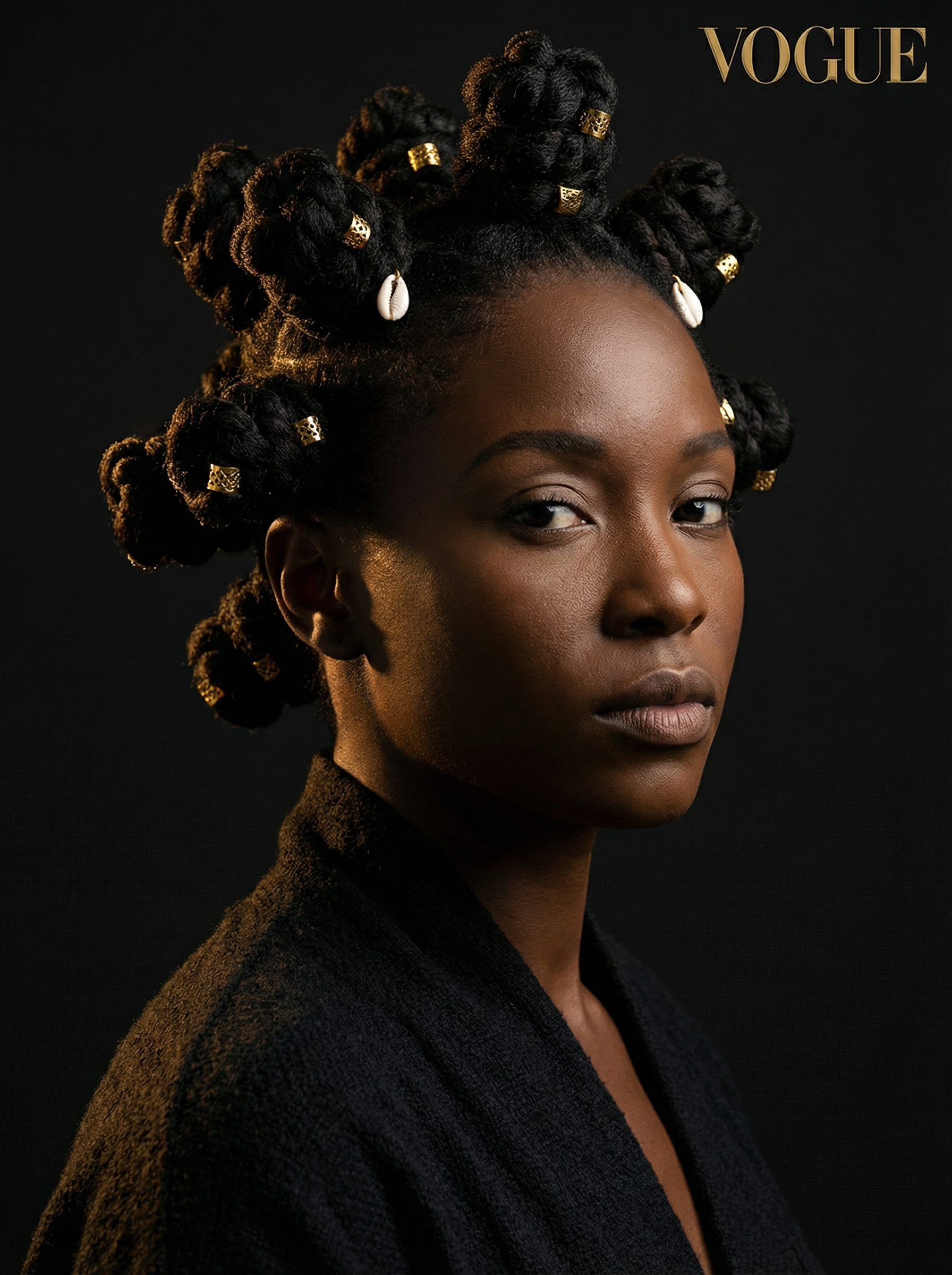
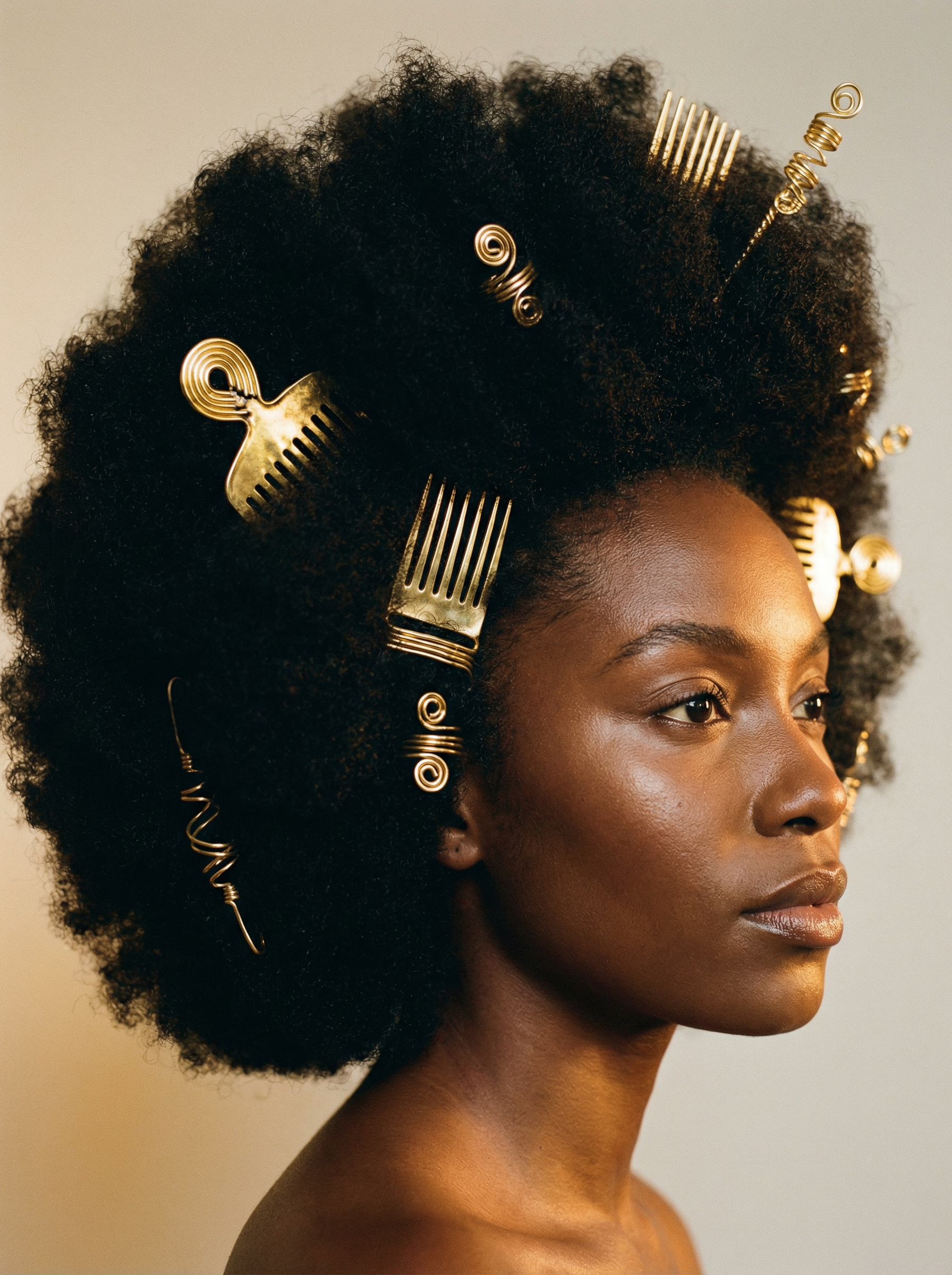

Intermediate
How I Prep My Natural Hair For Box Braids
Step-by-step guide to prepping natural hair for box braids at home — no heat required, from sectioning to finishing.
BiancaReneeToday
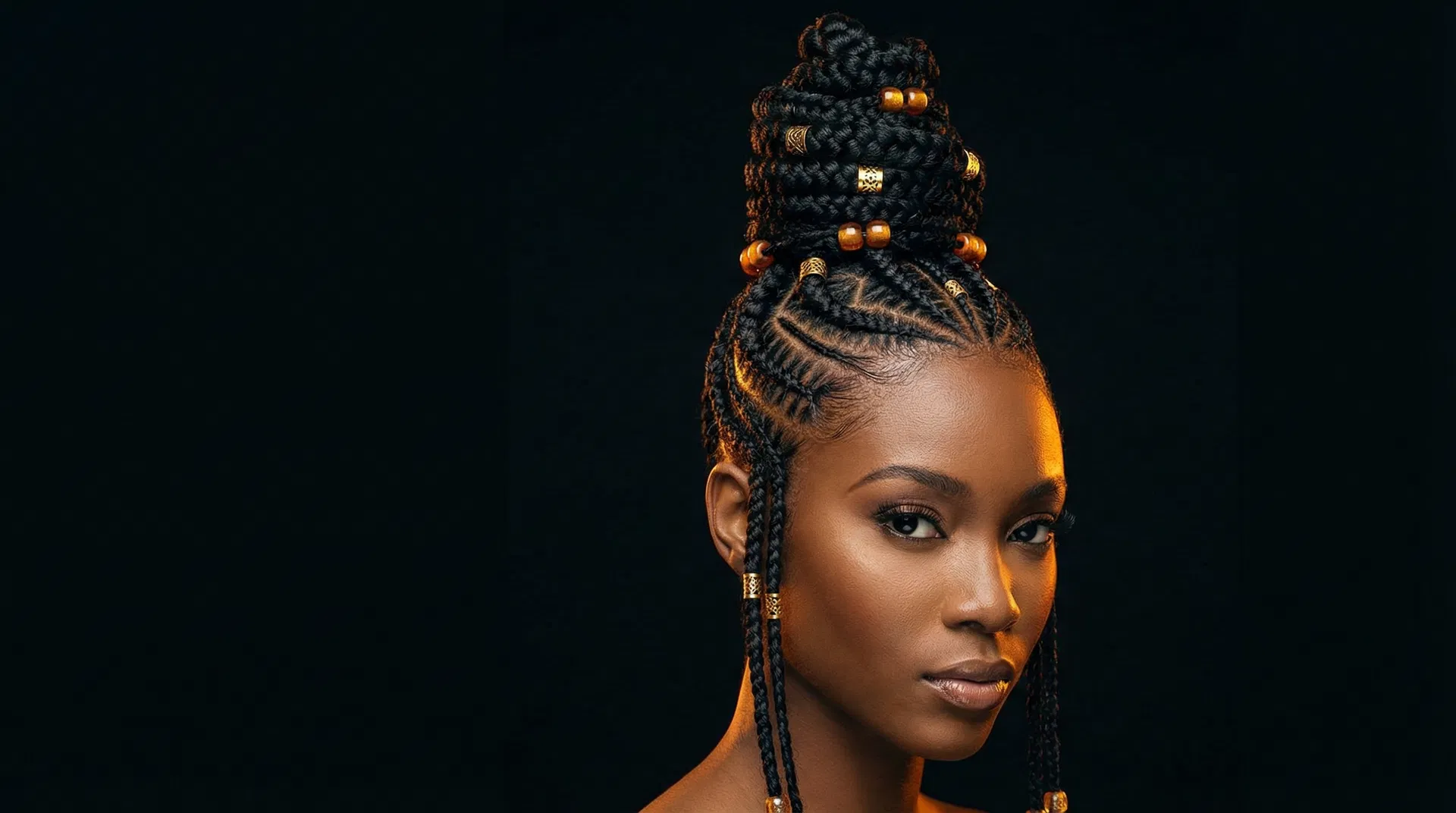
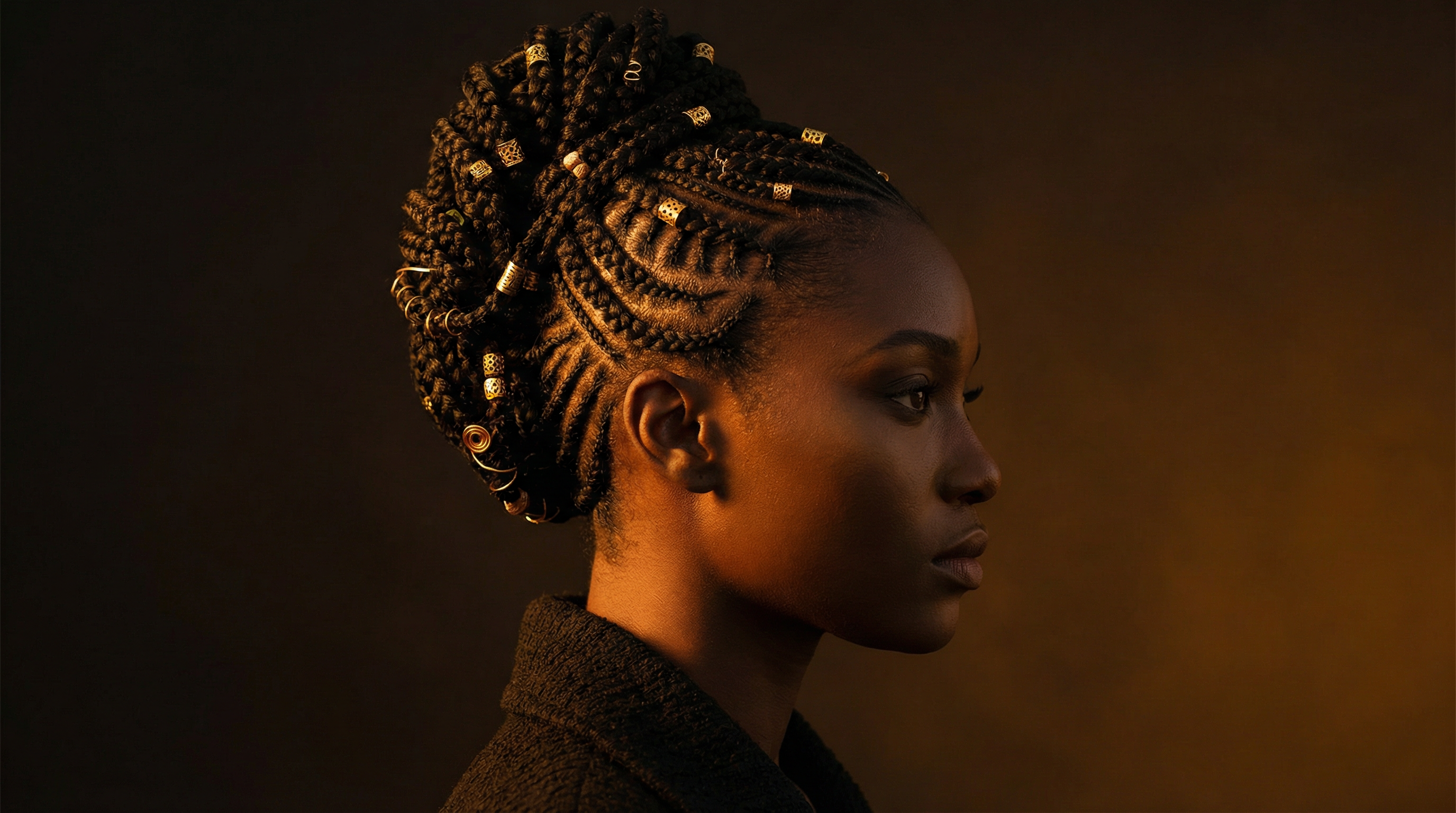
Each row is a deliberate act. Cornrows pulled back into a sculptural updo — geometric precision, golden adornment, and the ancient art of braiding elevated into architecture.
Free for subscribers
Get your free Crown Profile Report — personalised hair type, porosity guide & product picks.
Black hair is not a trend. It is a living archive — of resistance, of joy, of identity passed down through hands and memory.
Friday, April 3
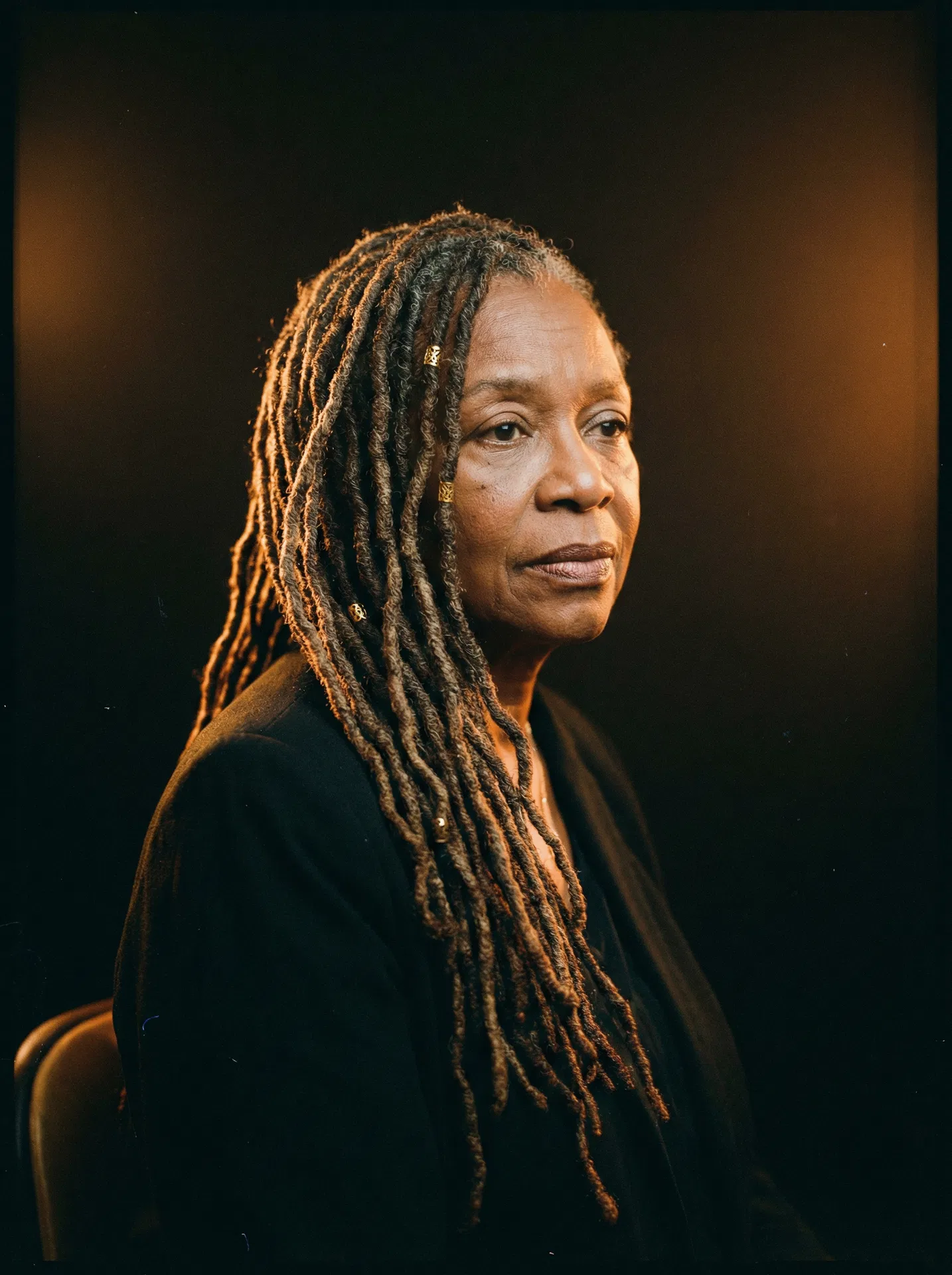
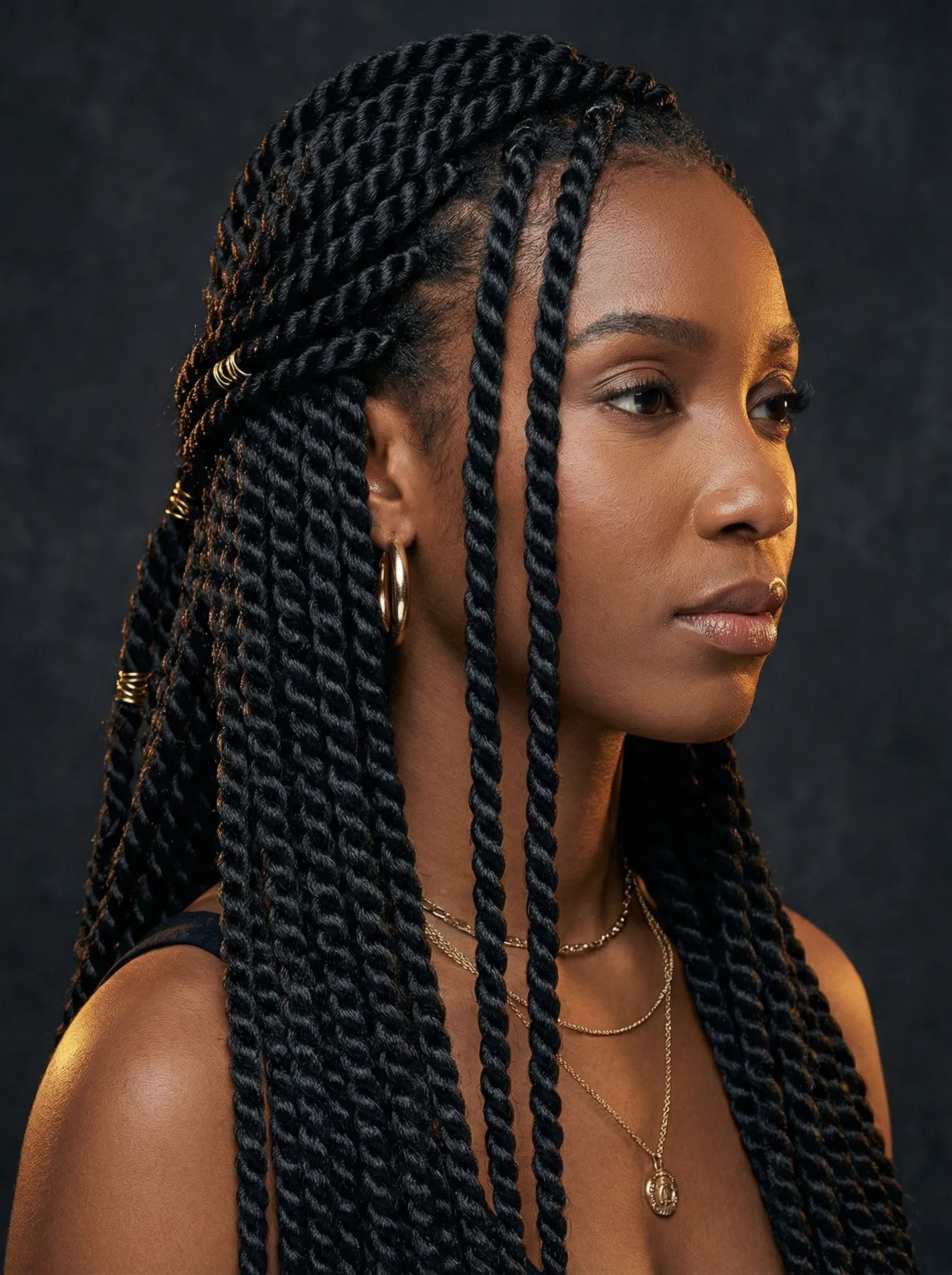
Time made visible, strand by strand
Locs have been found on ancient Egyptian mummies dating back to 3500 BC. The Rastafari movement elevated locs as a spiritual covenant in the 20th century.
Week of March 30, 2026
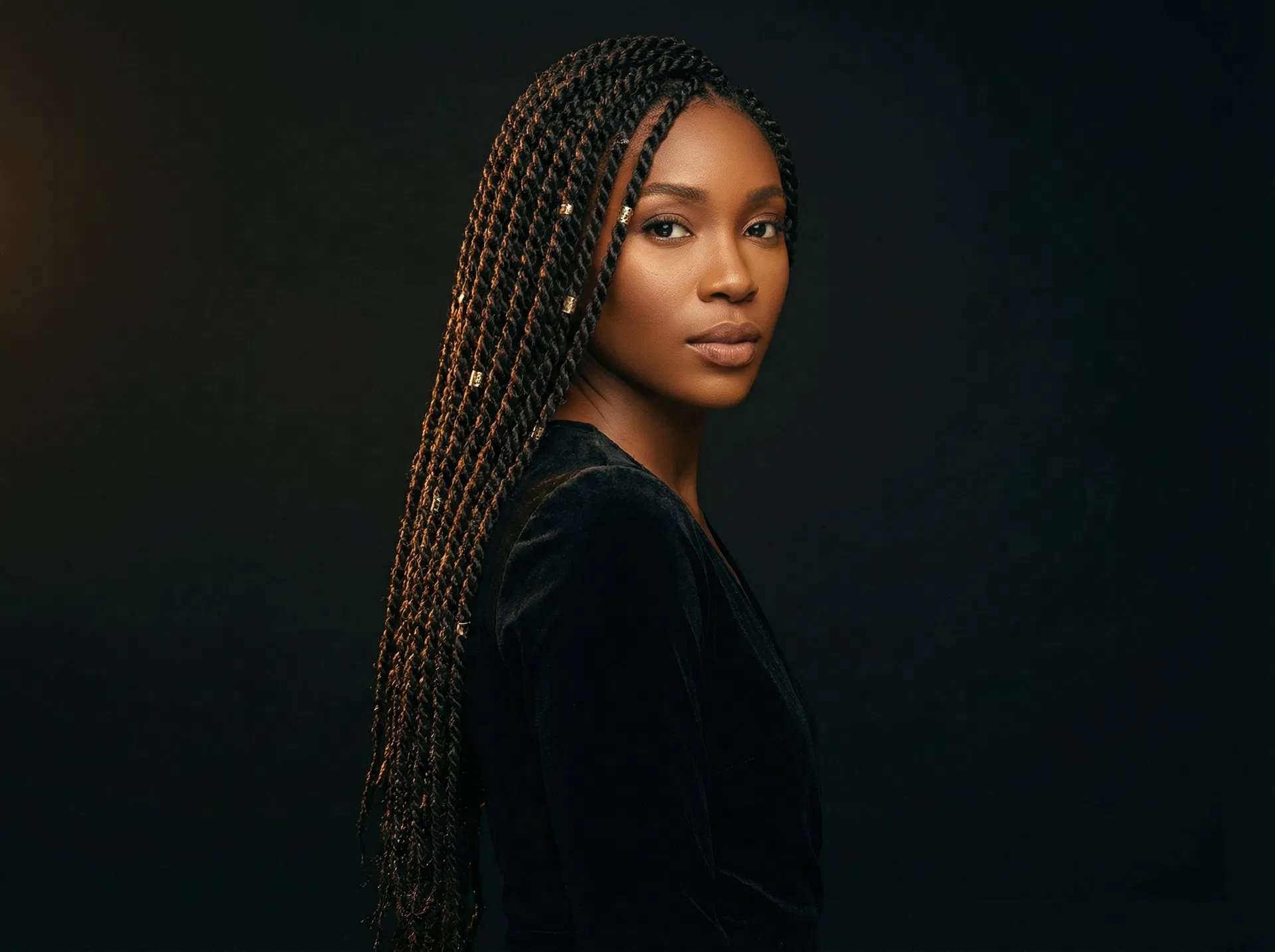
The Architecture of Patience
Amara Diallo
Atlanta, GA · @amaradiallo.hair
length
Mid-back (26–28 inches)
thickness
Medium to thick
install Time
6–10 hours
duration
6–8 weeks
hair Used
Kanekalon braiding hair (2–3 packs)
best For
All natural hair types, especially 3C–4C
Cultural Origin
West Africa — Senegal, Mali, Guinea
Pre-colonial era, documented from 3000 BCE
Community Votes
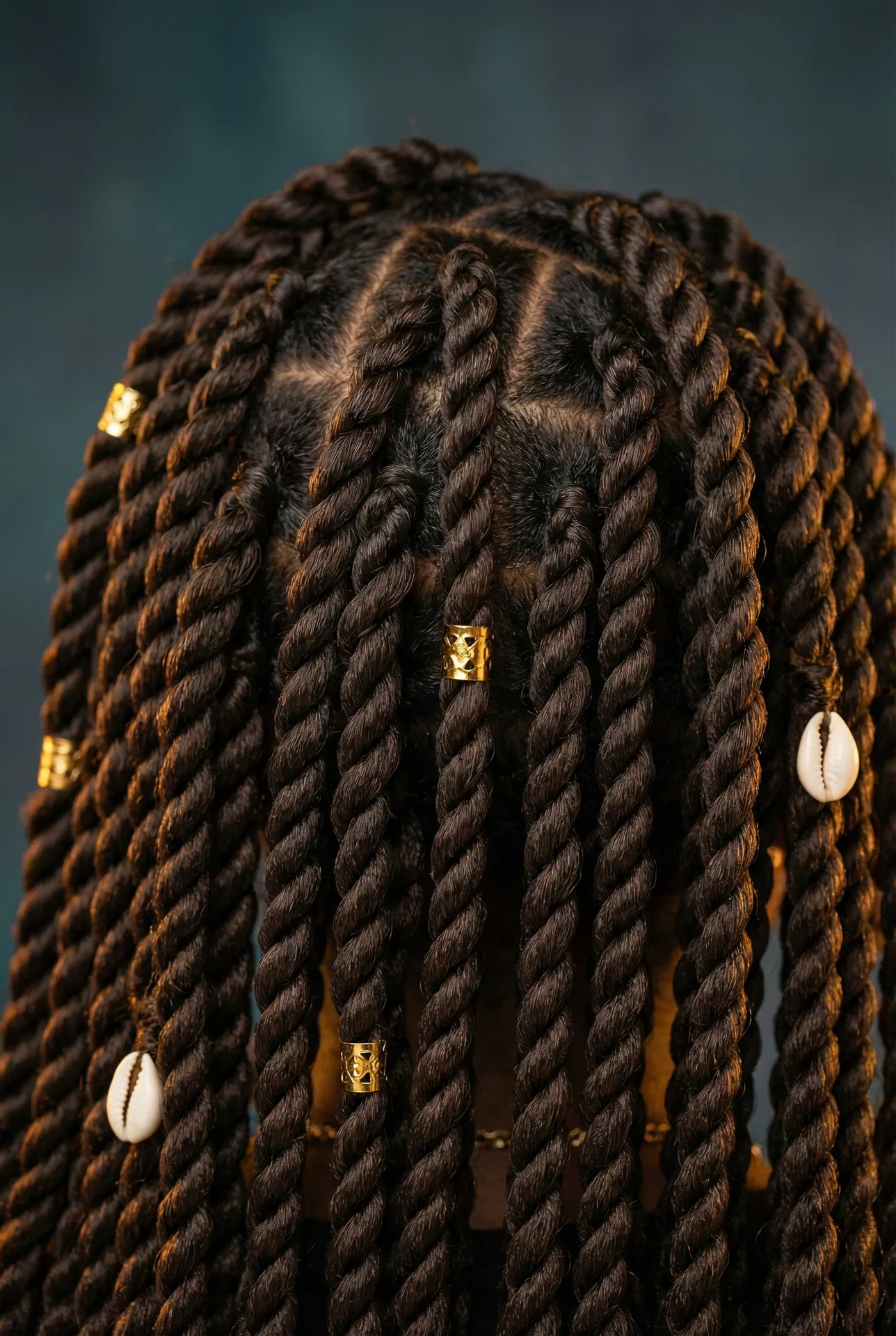
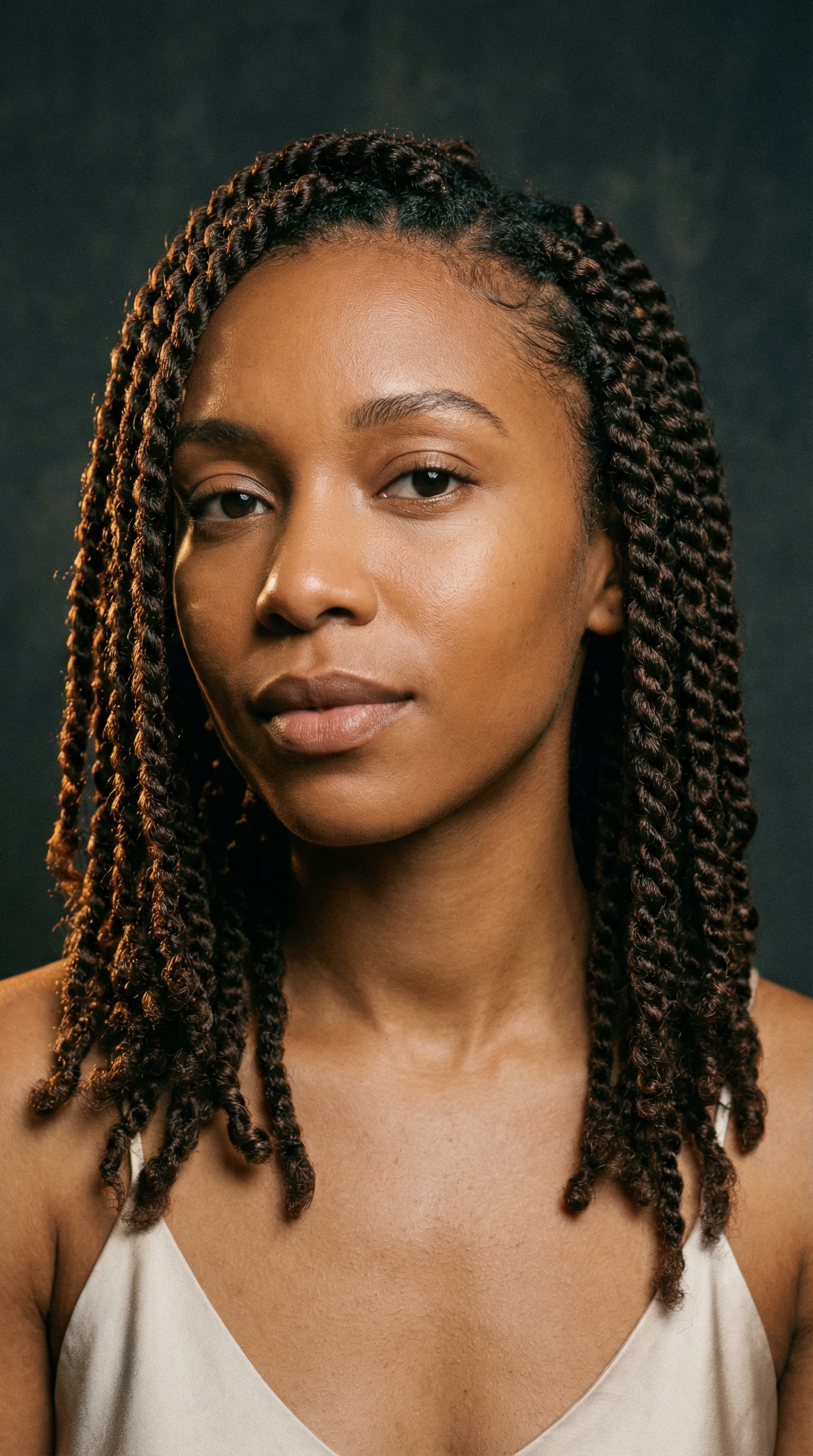
The geometry of each twist reveals centuries of refined technique — a living textile.
Senegalese twists draw their lineage from the ancient braiding traditions of West Africa, where hairstyles communicated social status, age, marital status, and tribal affiliation. The two-strand twist technique — wrapping braiding hair around natural hair — was refined over centuries into a protective style that honors both the hair's fragility and its strength. In Senegal, elaborate braided styles were worn by women of the Wolof and Fula peoples as markers of beauty and cultural pride.
Today, Senegalese twists represent a bridge between ancestral wisdom and contemporary Black identity. They are a protective style that shields natural hair while making a bold aesthetic statement — a daily act of cultural reclamation.
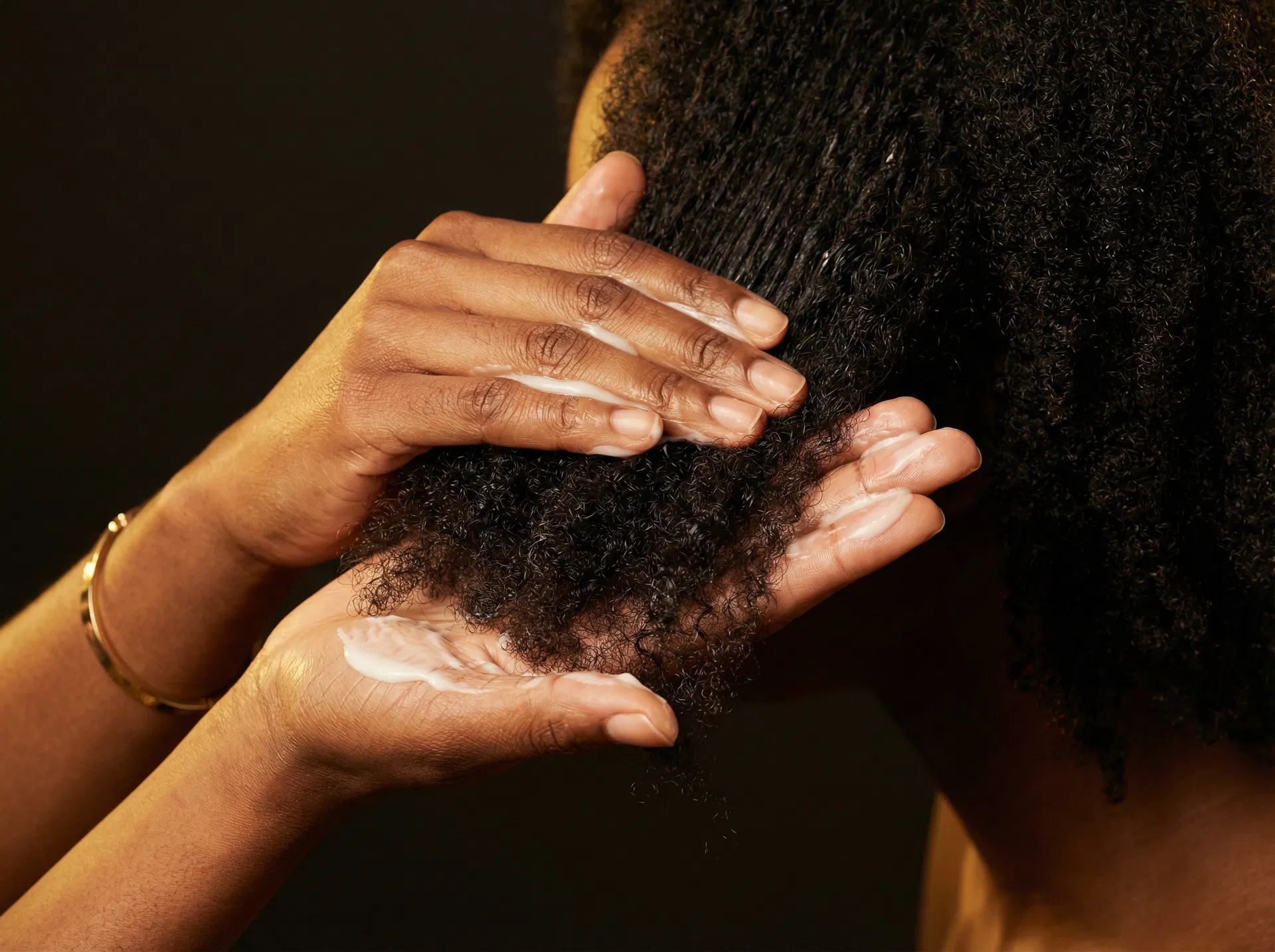
Begin with freshly washed and deep-conditioned hair. Apply a leave-in conditioner and a light oil (jojoba or argan) to ensure maximum moisture retention before the protective style is installed. Detangle thoroughly with a wide-tooth comb.
Pro tip: Stretch your hair with a blow-dryer on low heat to reduce tangling during installation.
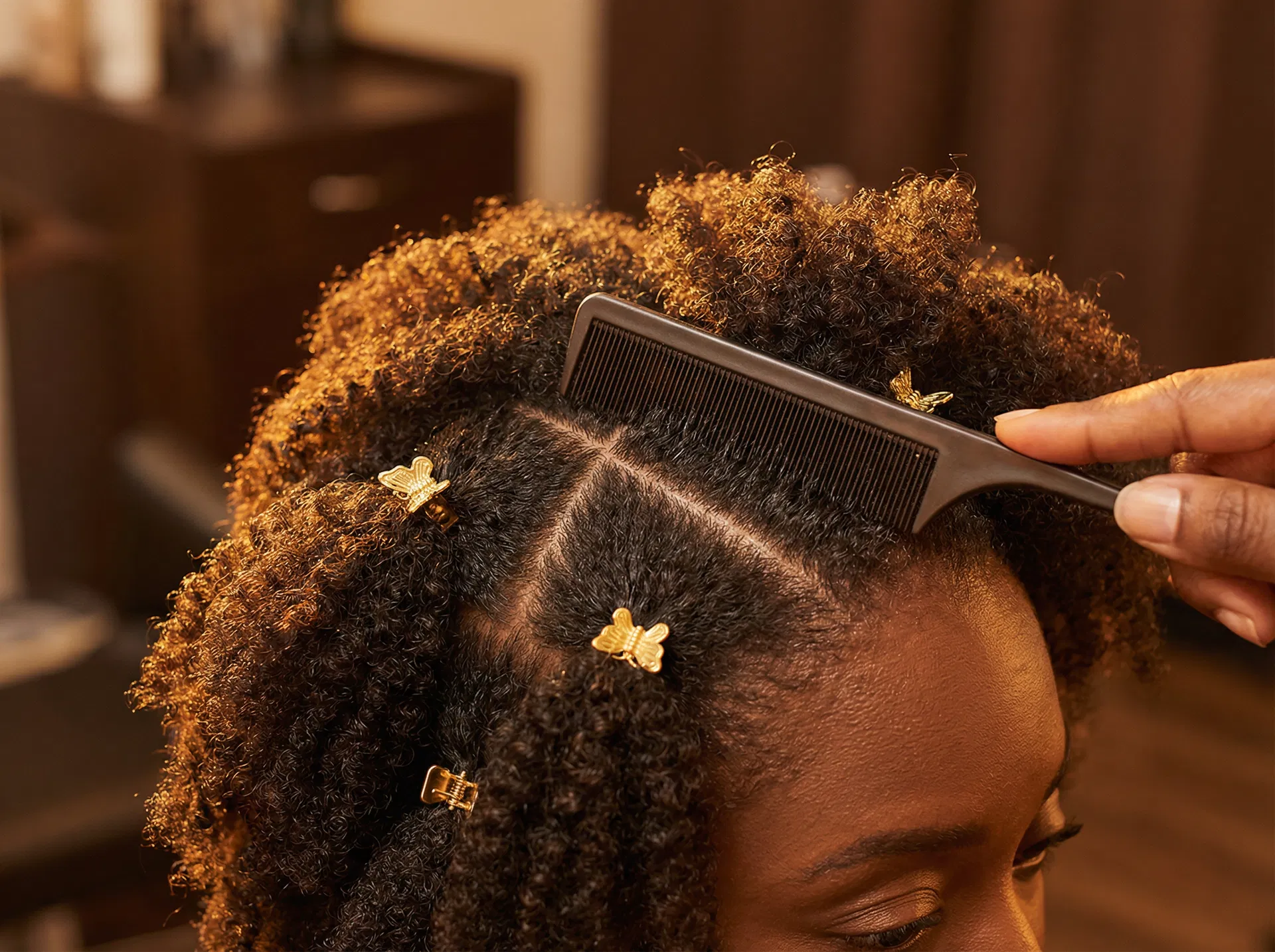
Using a rat-tail comb, create neat square or triangular sections across the entire scalp. Consistent section sizes ensure uniform twist thickness throughout. Secure each section with a clip as you work.
Pro tip: Smaller sections create thinner, more defined twists. Larger sections create a bolder, chunkier look.
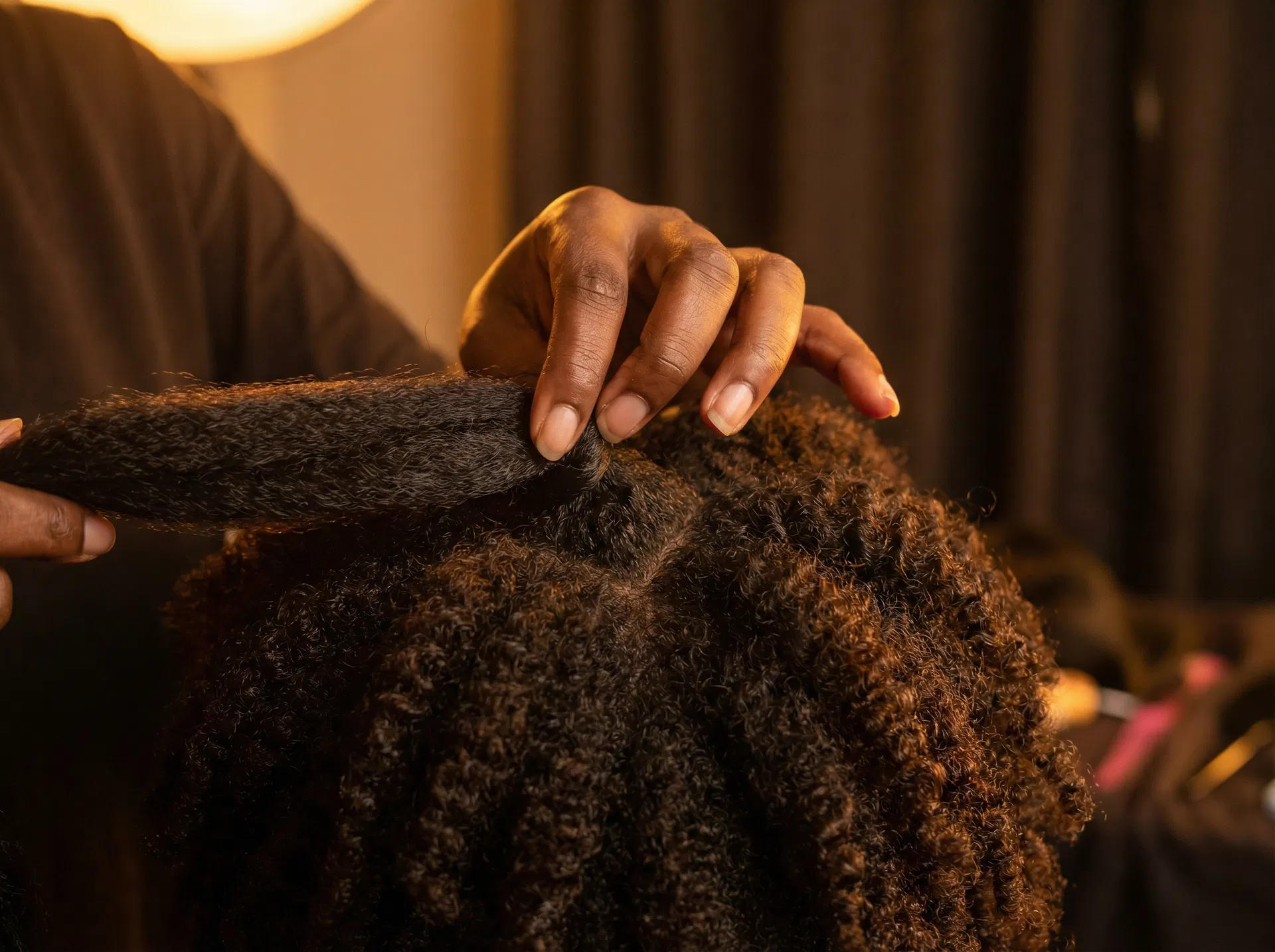
Fold a piece of Kanekalon braiding hair in half and loop it around the base of the natural hair section. This anchor method creates a secure foundation and prevents slippage at the root.
Pro tip: Use the 'middle part' method — fold hair in half, loop at root, and begin twisting immediately for a seamless blend.
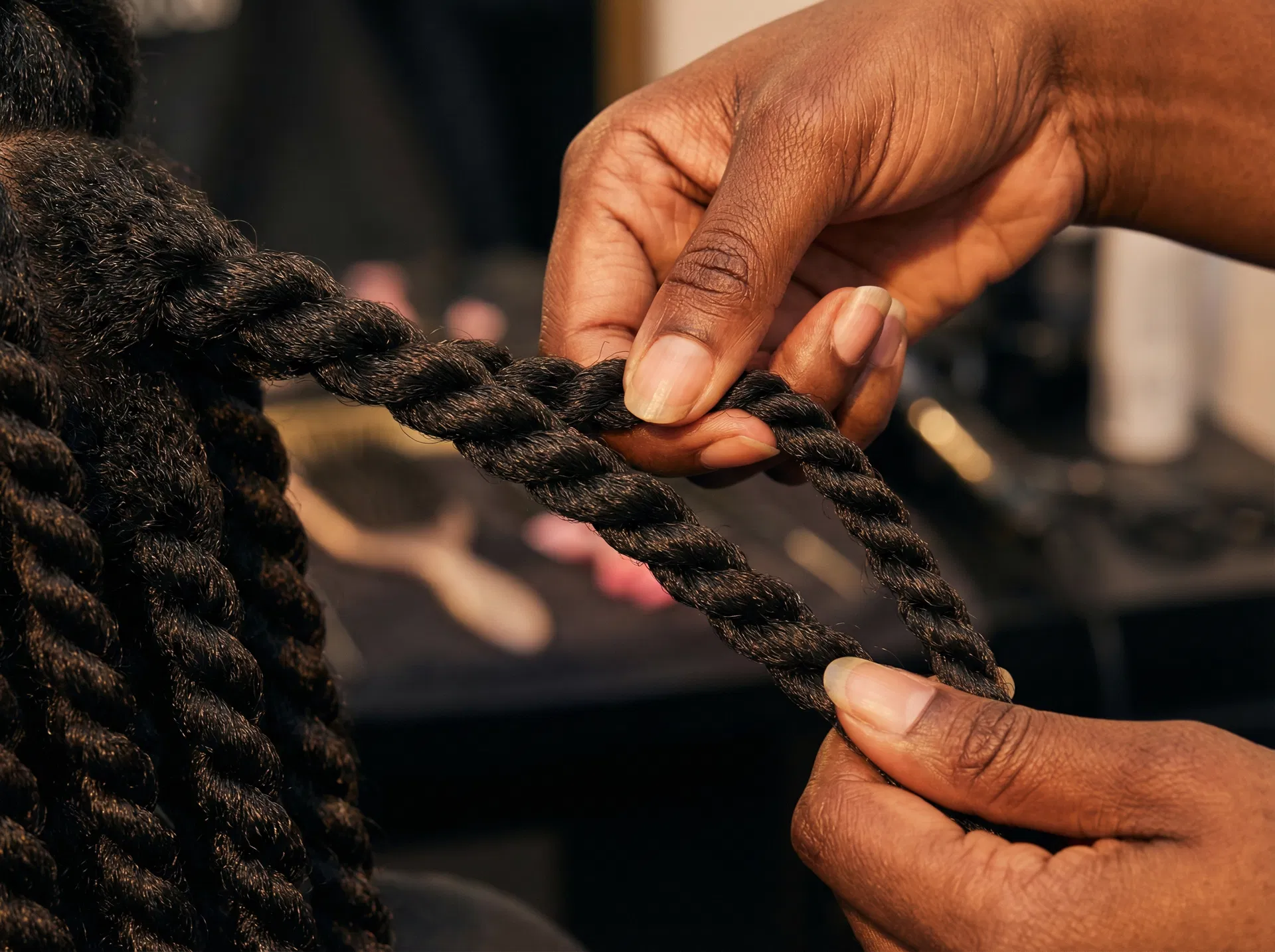
Divide the combined natural and extension hair into two equal strands. Twist each strand around the other in a consistent direction (always clockwise or always counter-clockwise) while maintaining even tension. Work your way down to the tip.
Pro tip: Maintain consistent tension throughout — too tight causes breakage, too loose causes unraveling.
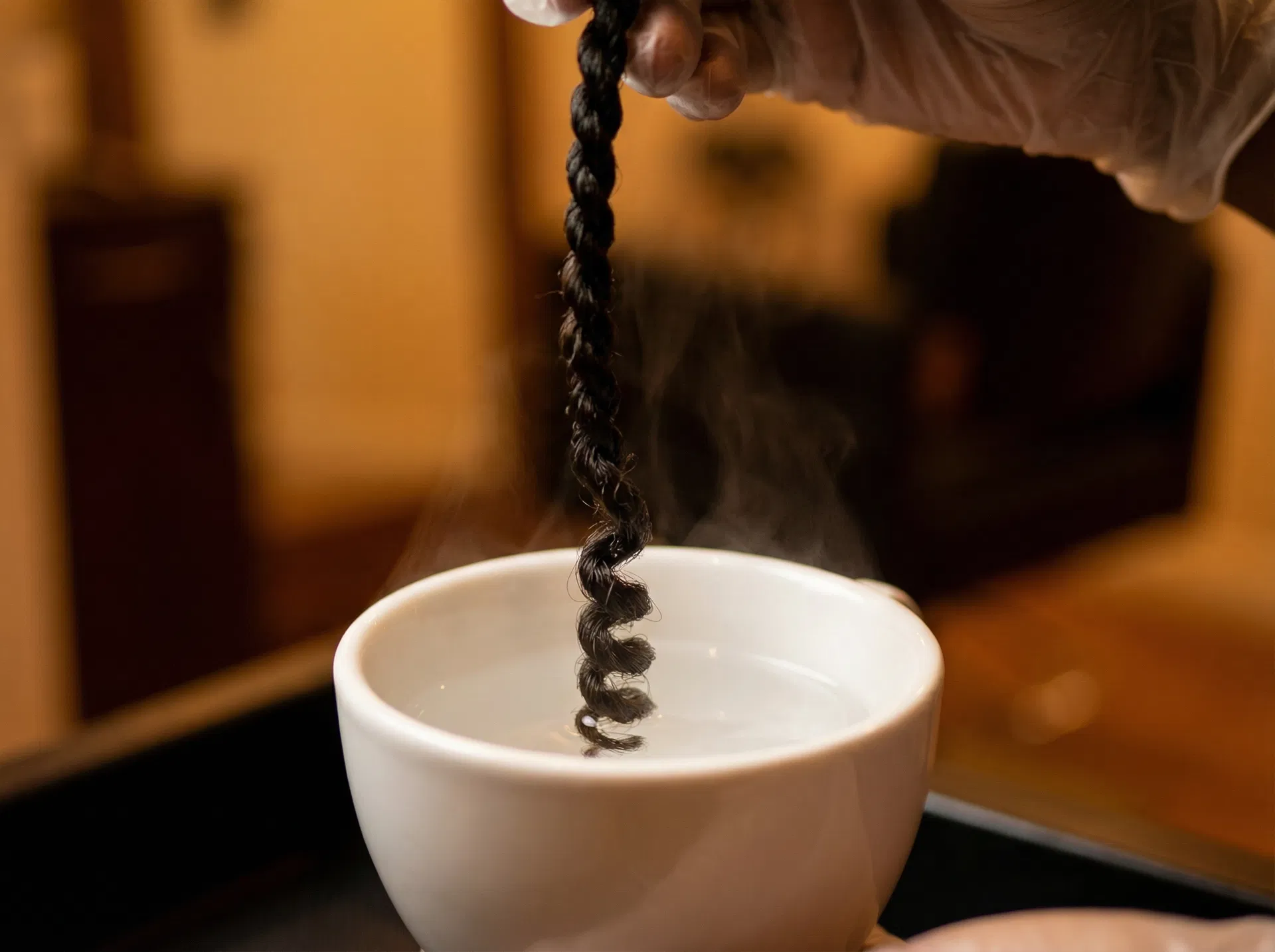
At the tip of each twist, dip briefly in hot water (using a cup or spray bottle) to seal the Kanekalon hair and prevent unraveling. Alternatively, use a small amount of edge control or styling gel at the tip.
Pro tip: Hot water sealing creates a more natural, seamless finish than gel alone.
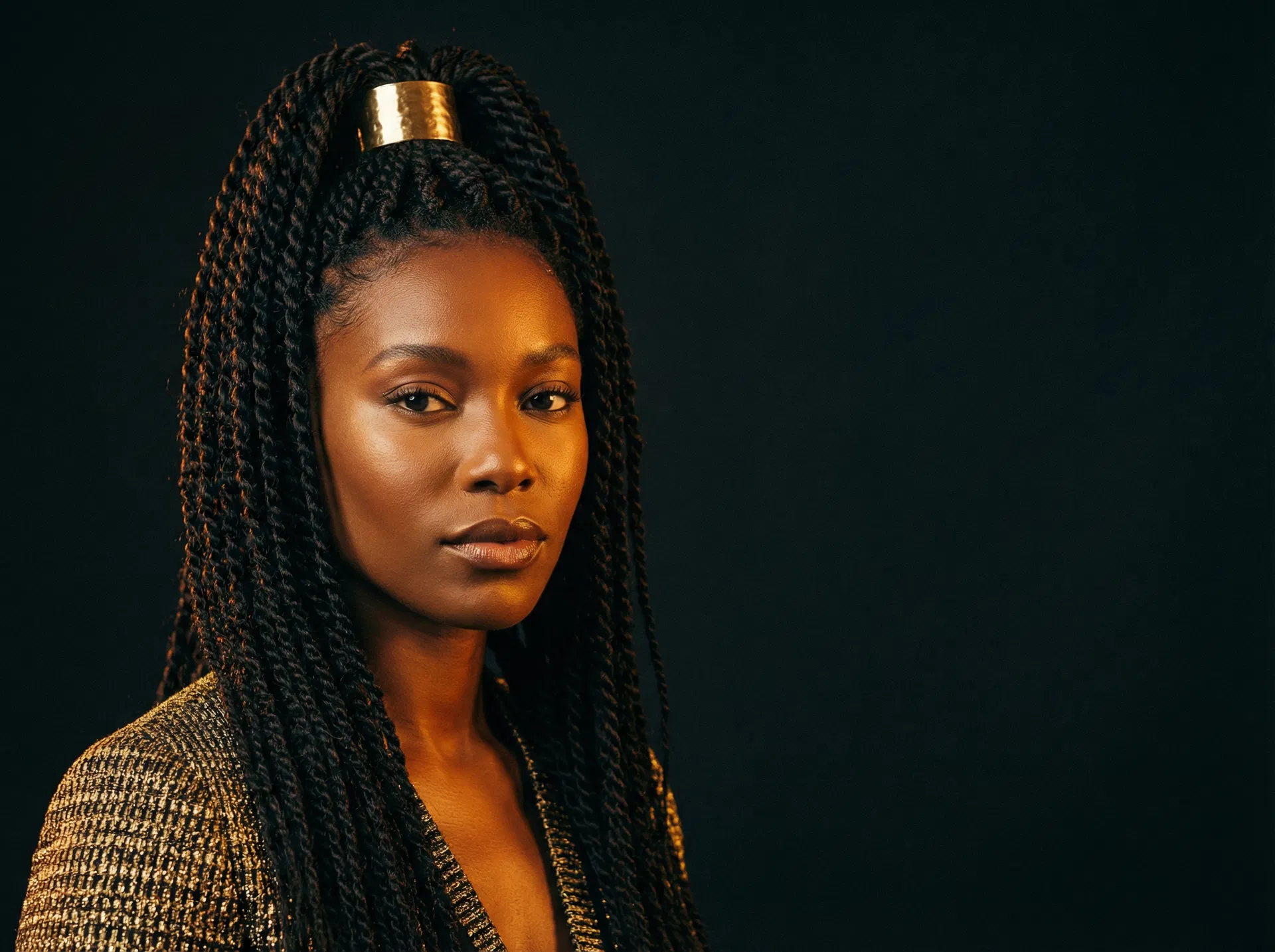
Once all twists are installed, style as desired — half-up, full updo, or free-flowing. Moisturize the scalp every 2–3 days with a light oil. Sleep with a satin bonnet or on a satin pillowcase to preserve the style.
Pro tip: Refresh your edges weekly with edge control for a consistently polished look throughout the 6–8 week wear period.
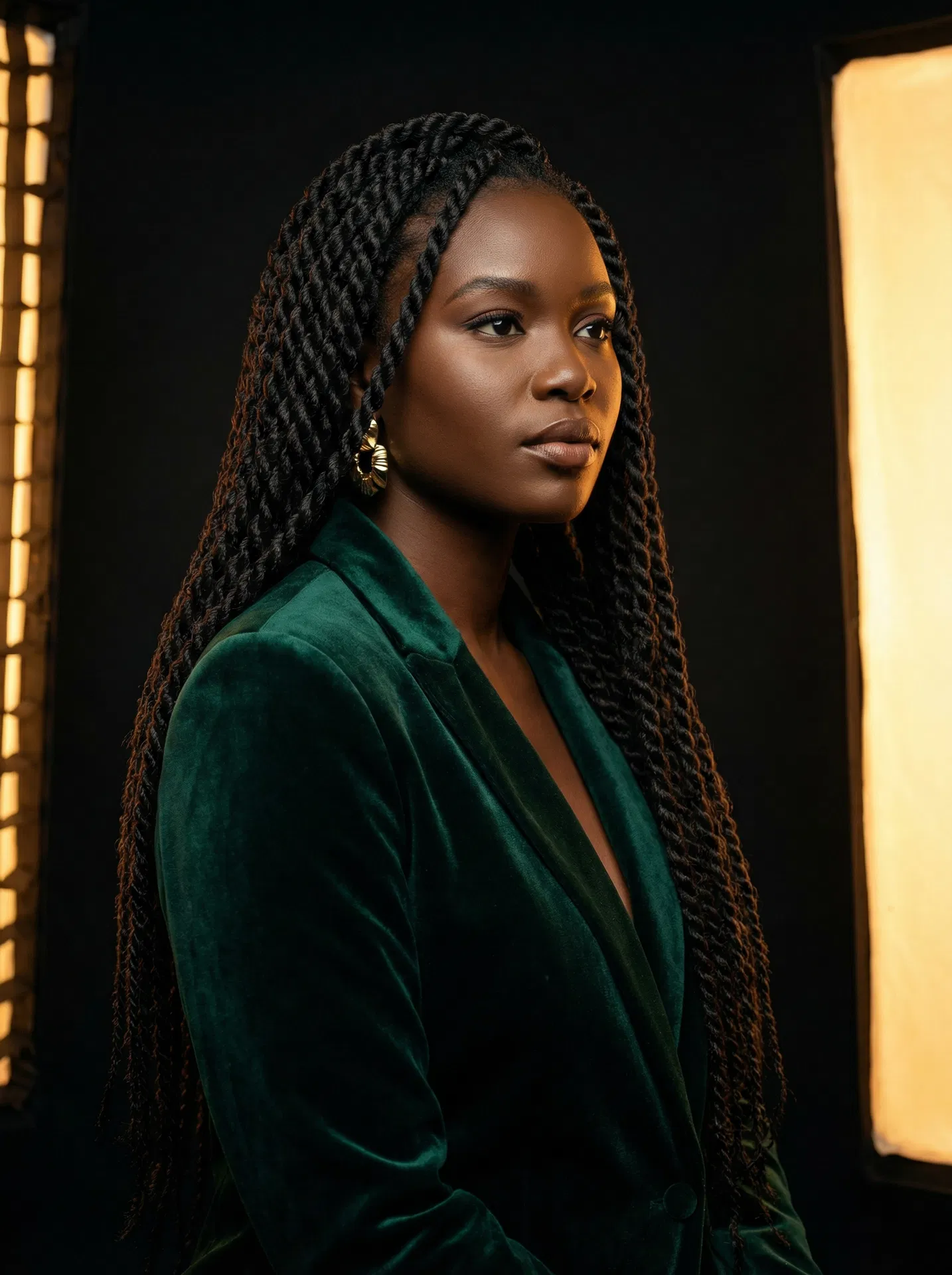
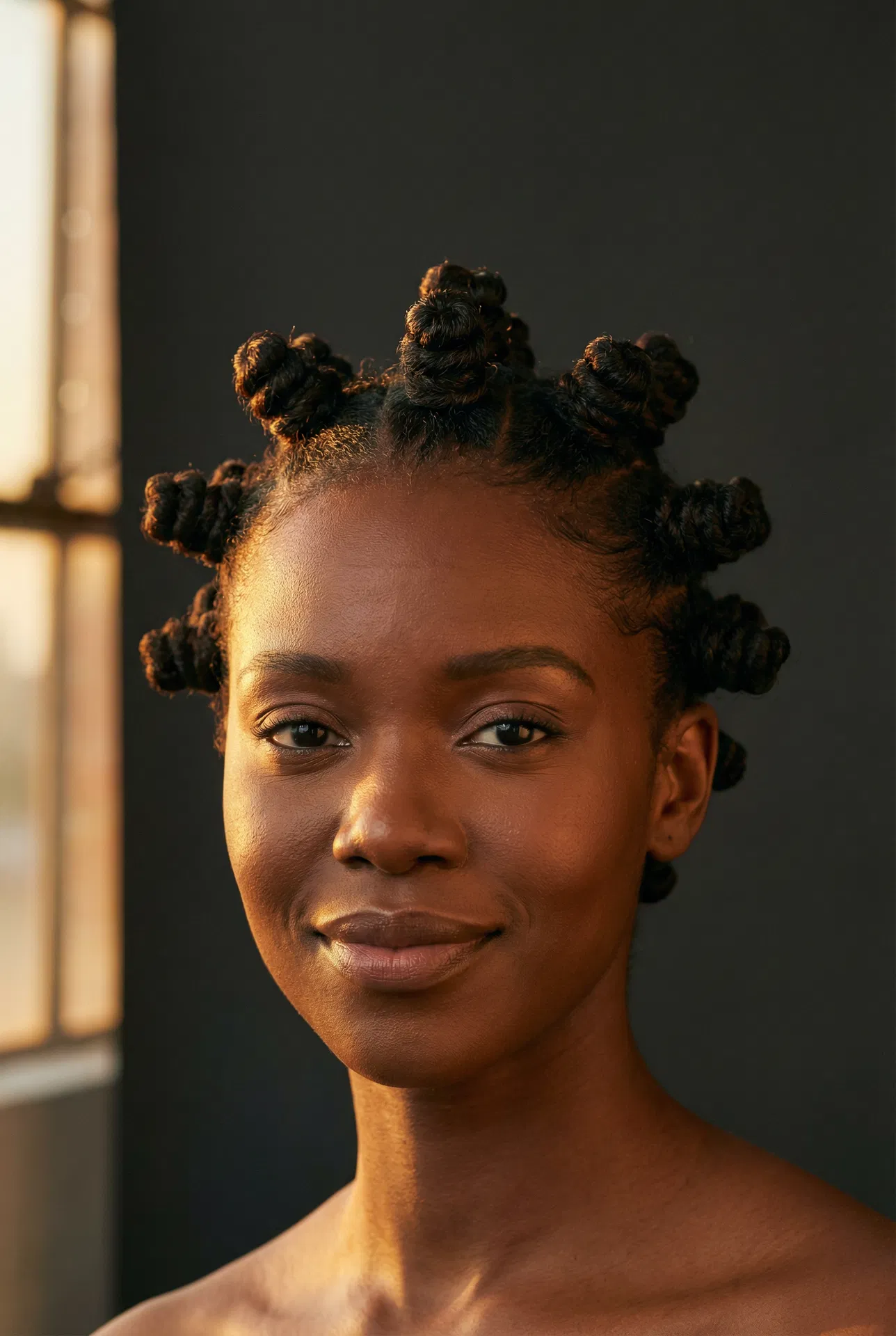
Bantu Knots & Their Zulu Roots
Exploring the coiled crown style that traveled from South Africa to global runways — and why it matters.
◆ Seen From Above
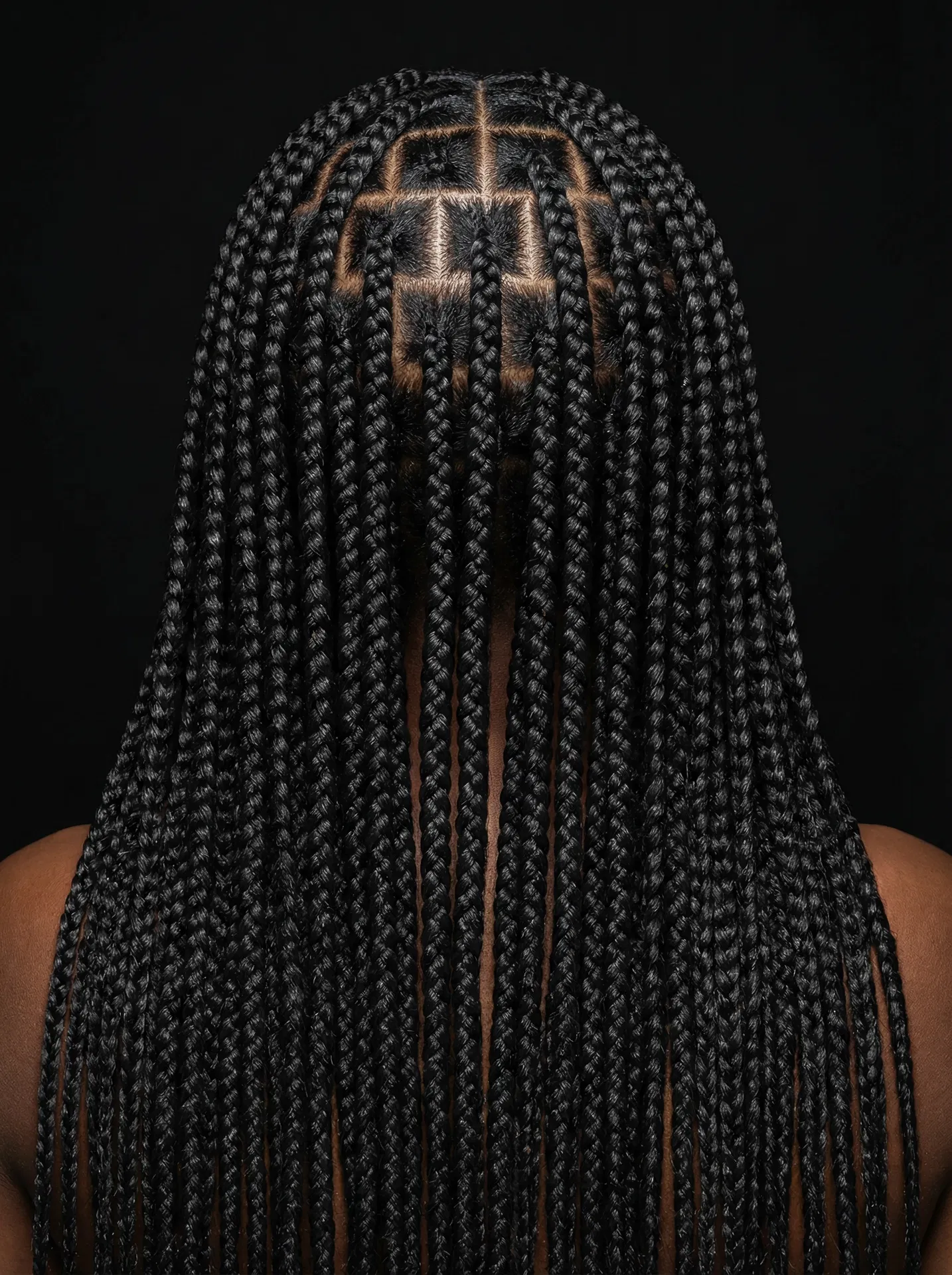
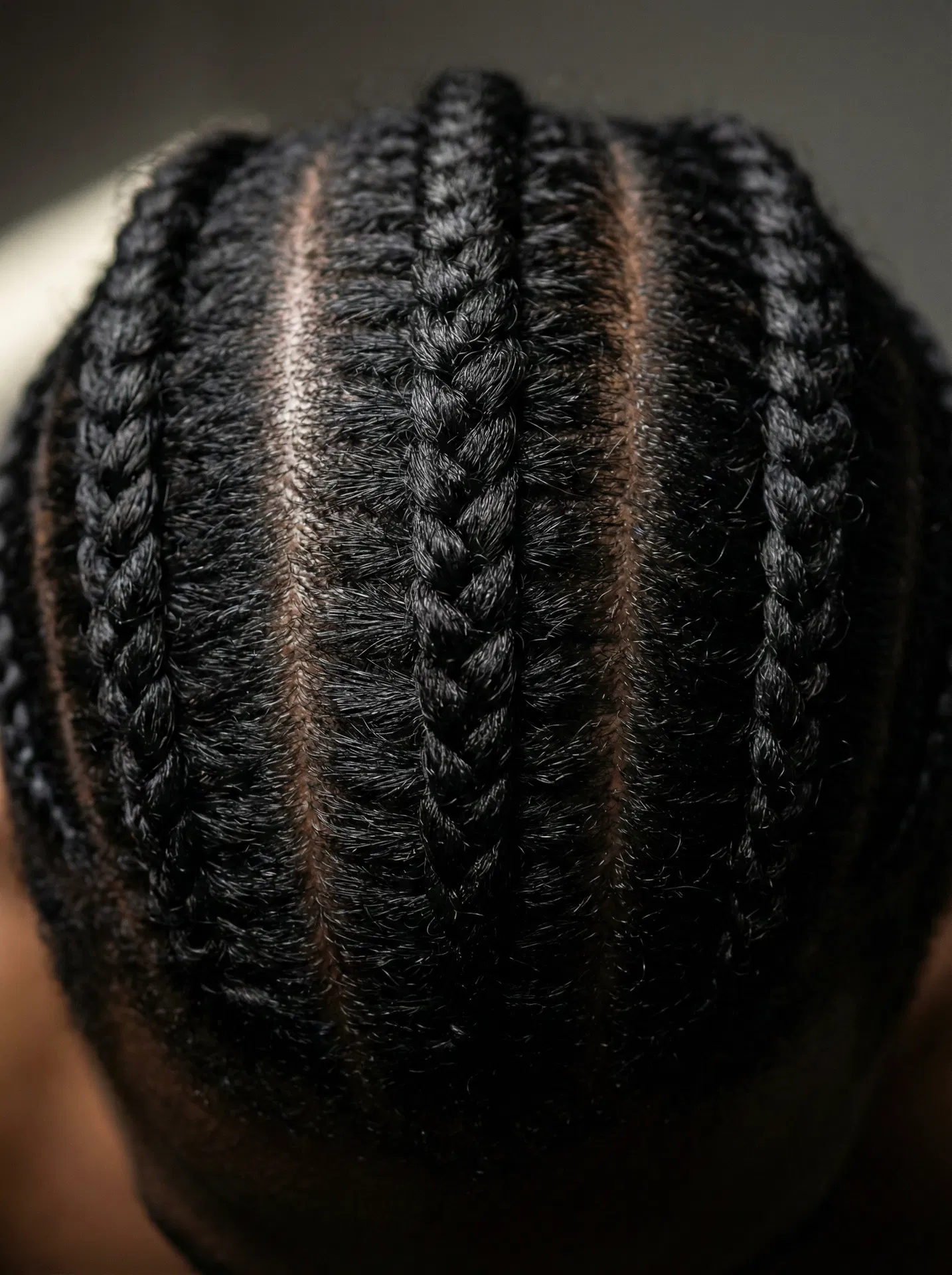
Seen from above, Black hair reveals its true nature — not just style, but architecture, mathematics, and living sculpture.
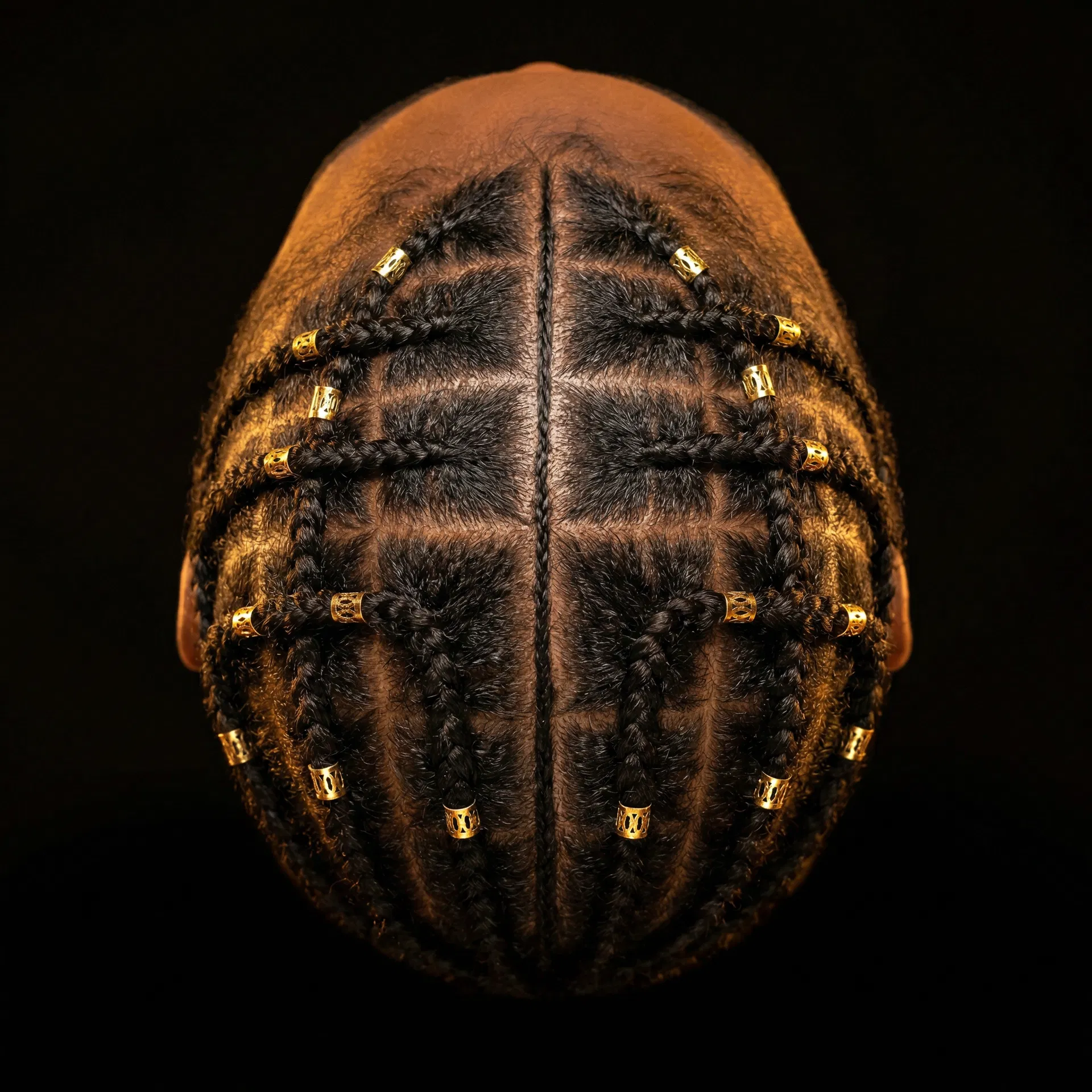
Architecture in Hair
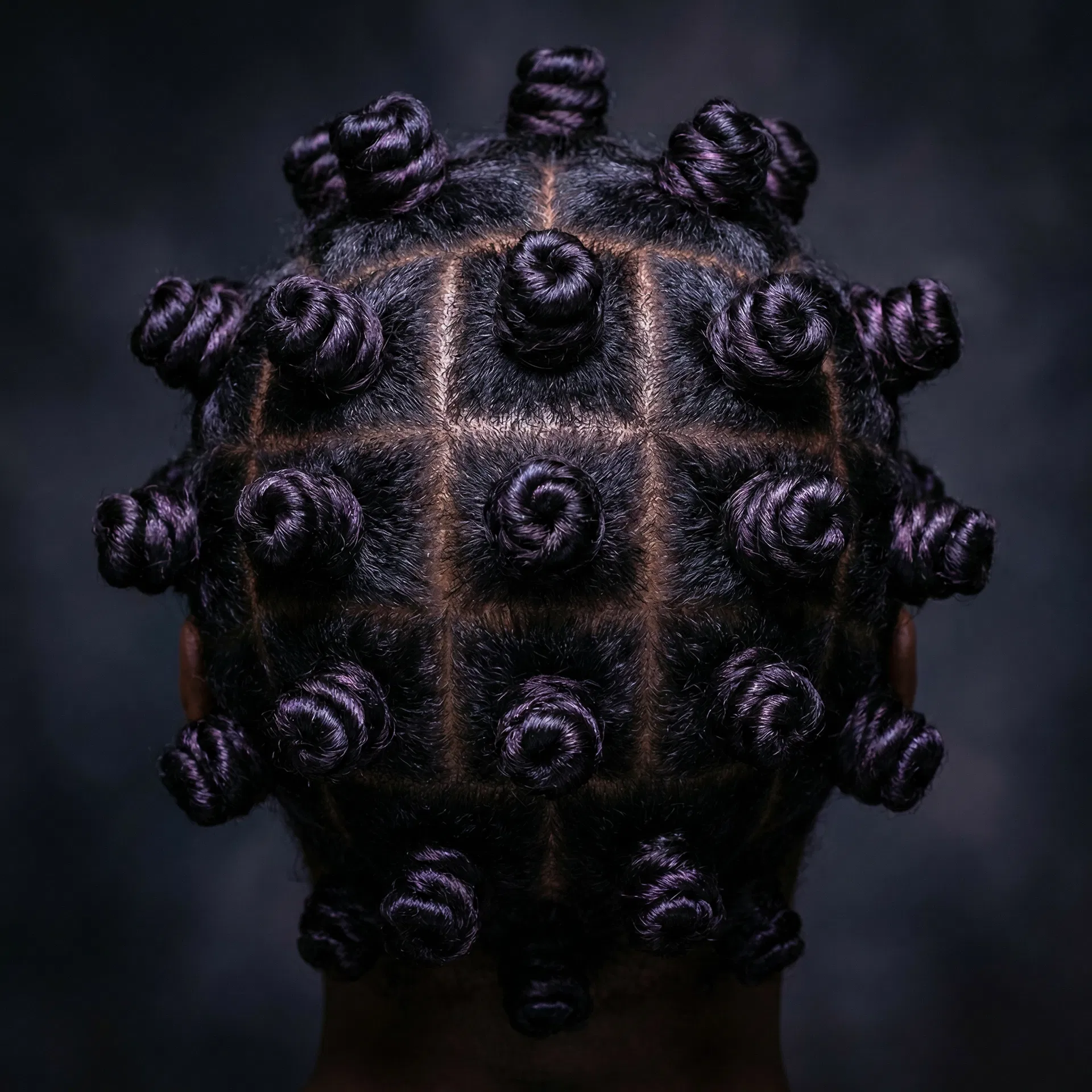
Geometry & Power
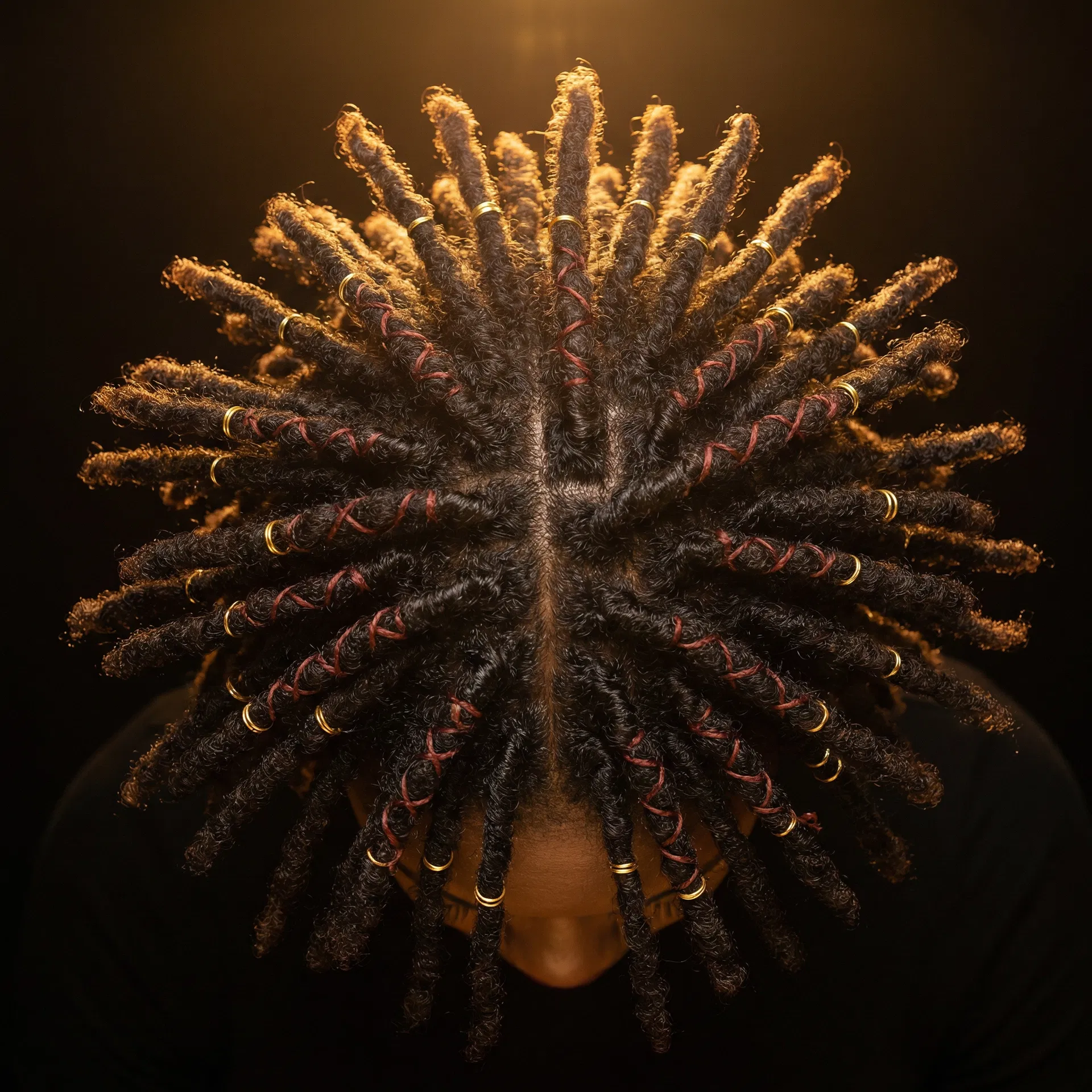
The Sunburst Crown
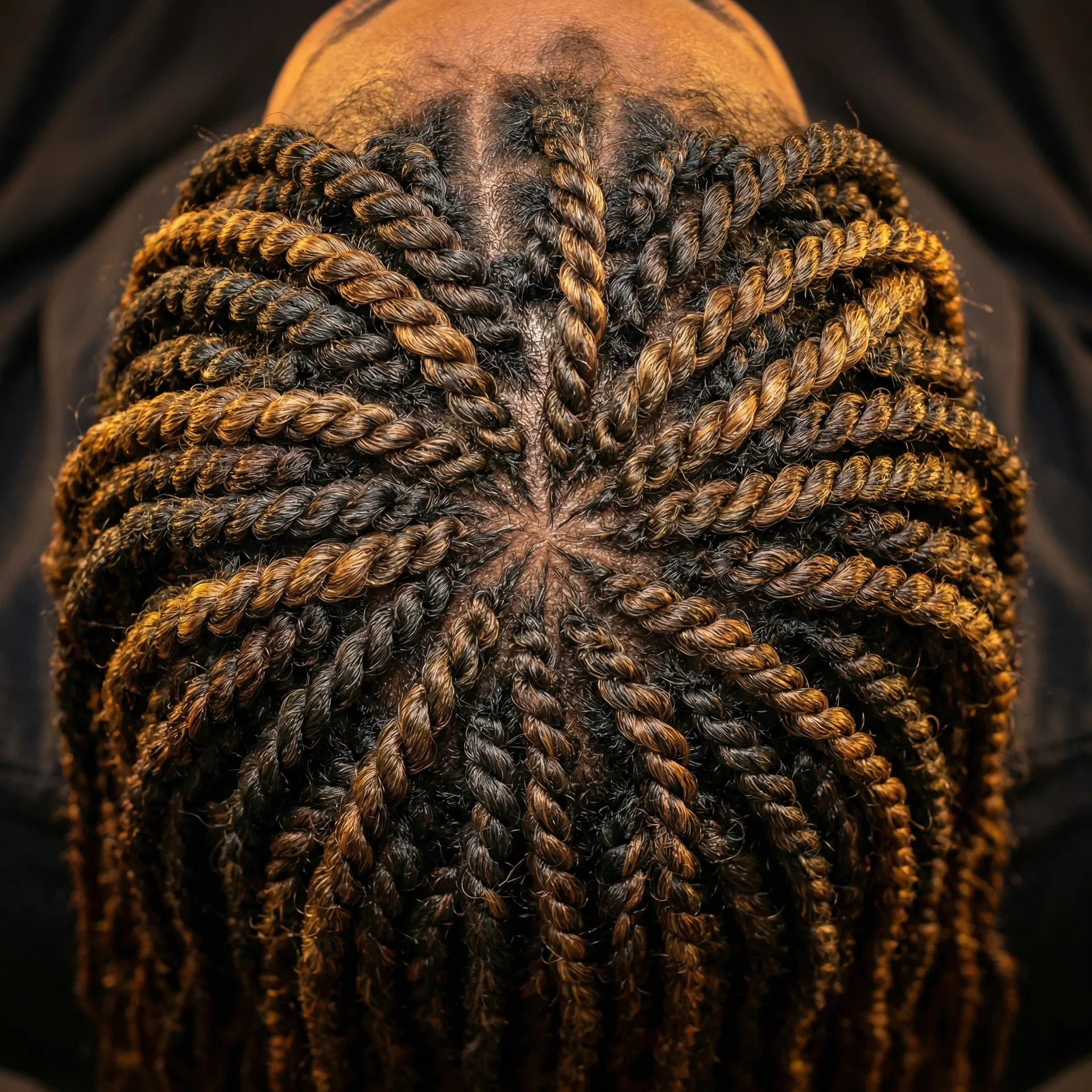
The Sacred Spiral
Row by row, a map is drawn. Cornrows are geometry, memory, and mastery — the oldest cartography, braided into the scalp.
Every strand tells a story that began long before us — woven into the fabric of civilisations, carried across oceans, and worn as a crown of defiance and pride.
From ancient Africa to the present day — a story of identity, resistance, and enduring beauty.
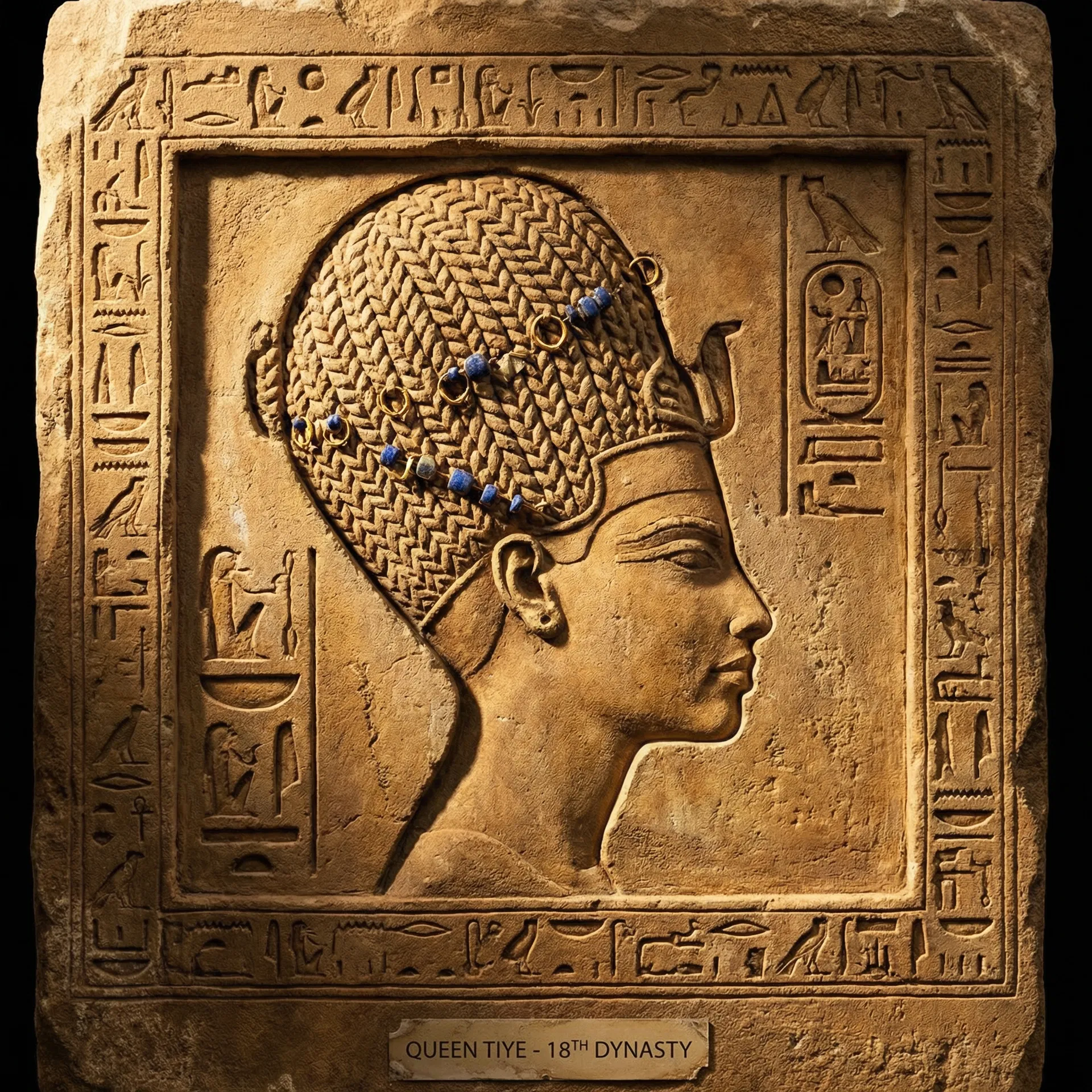
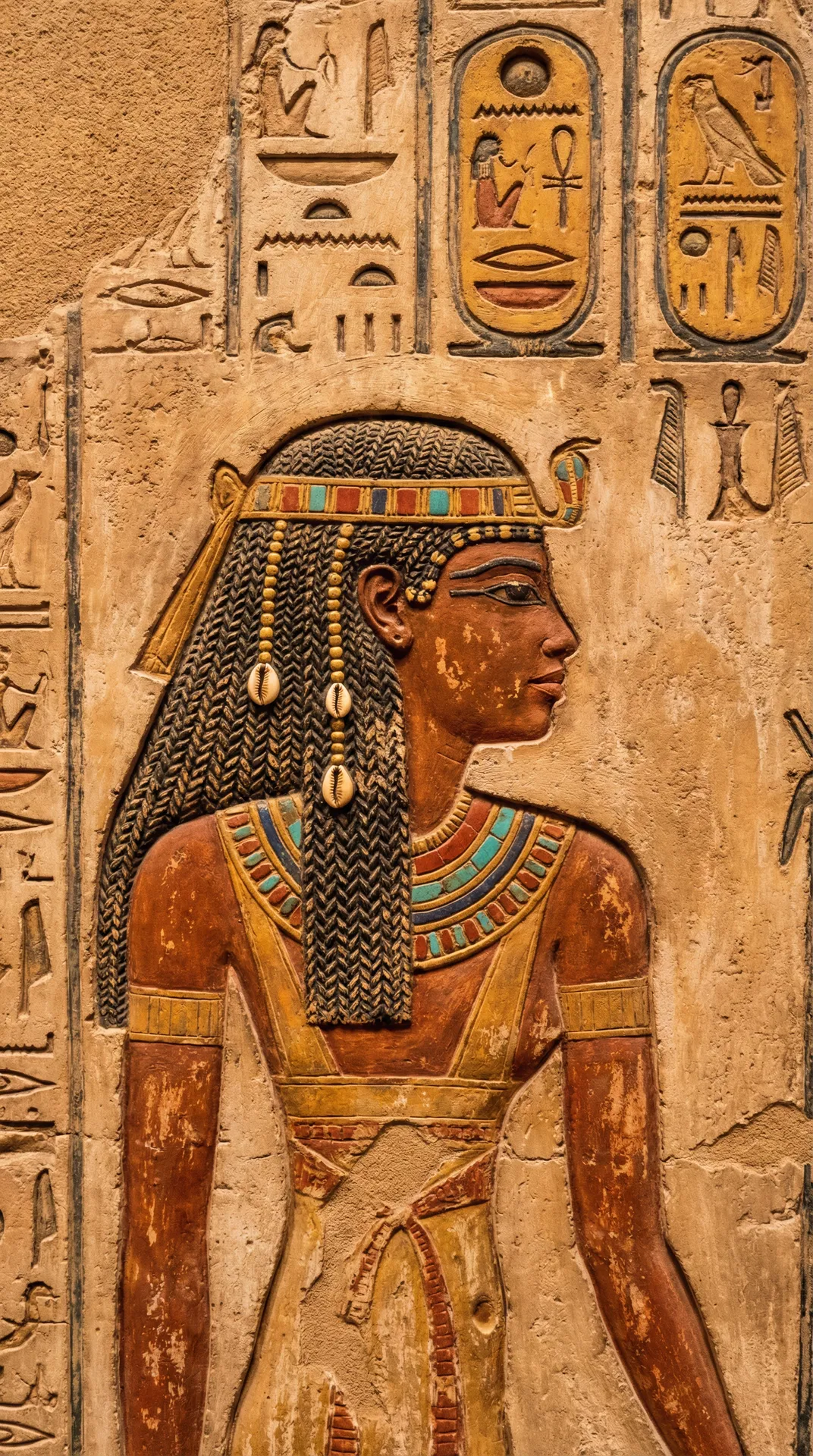
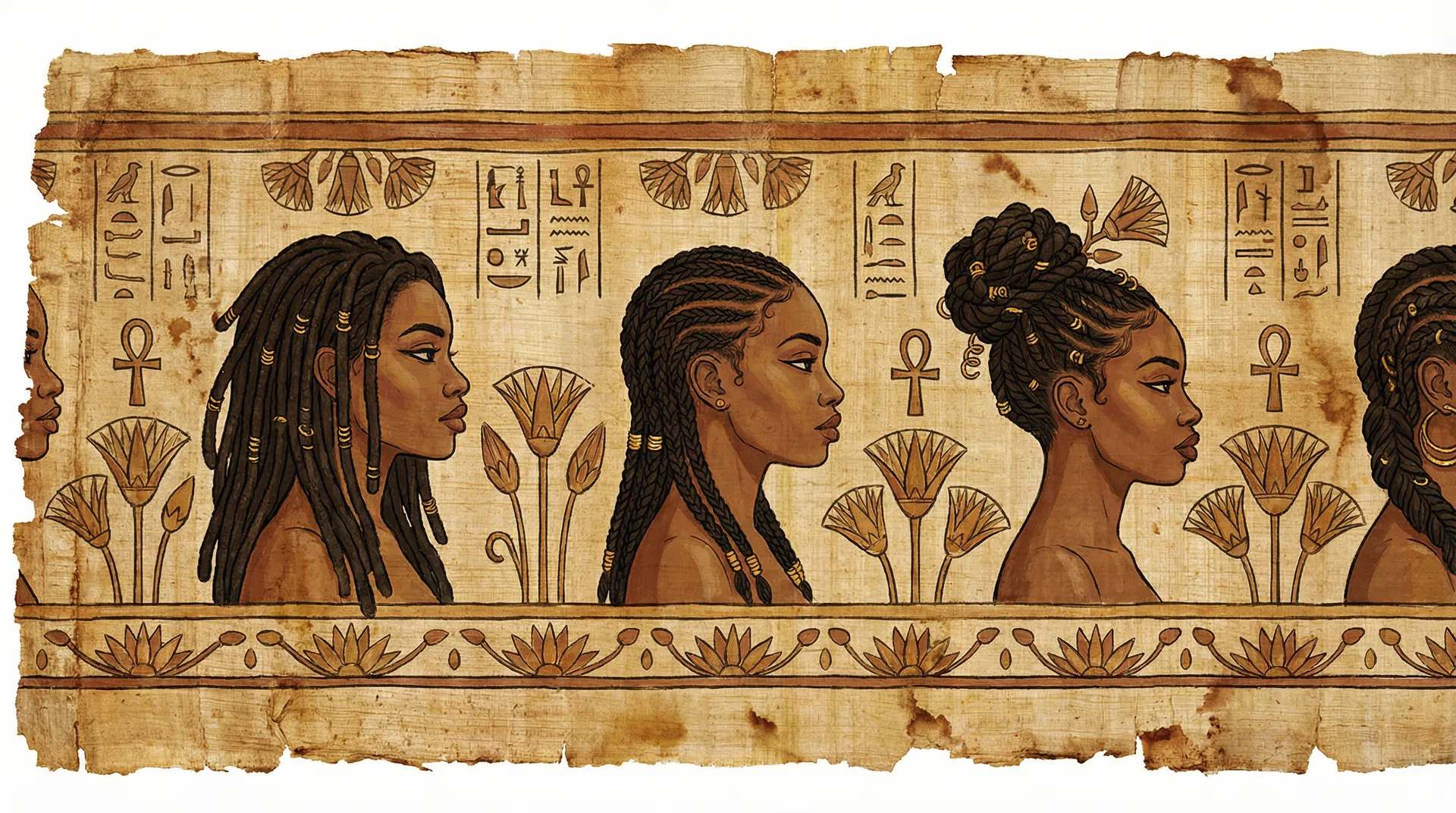
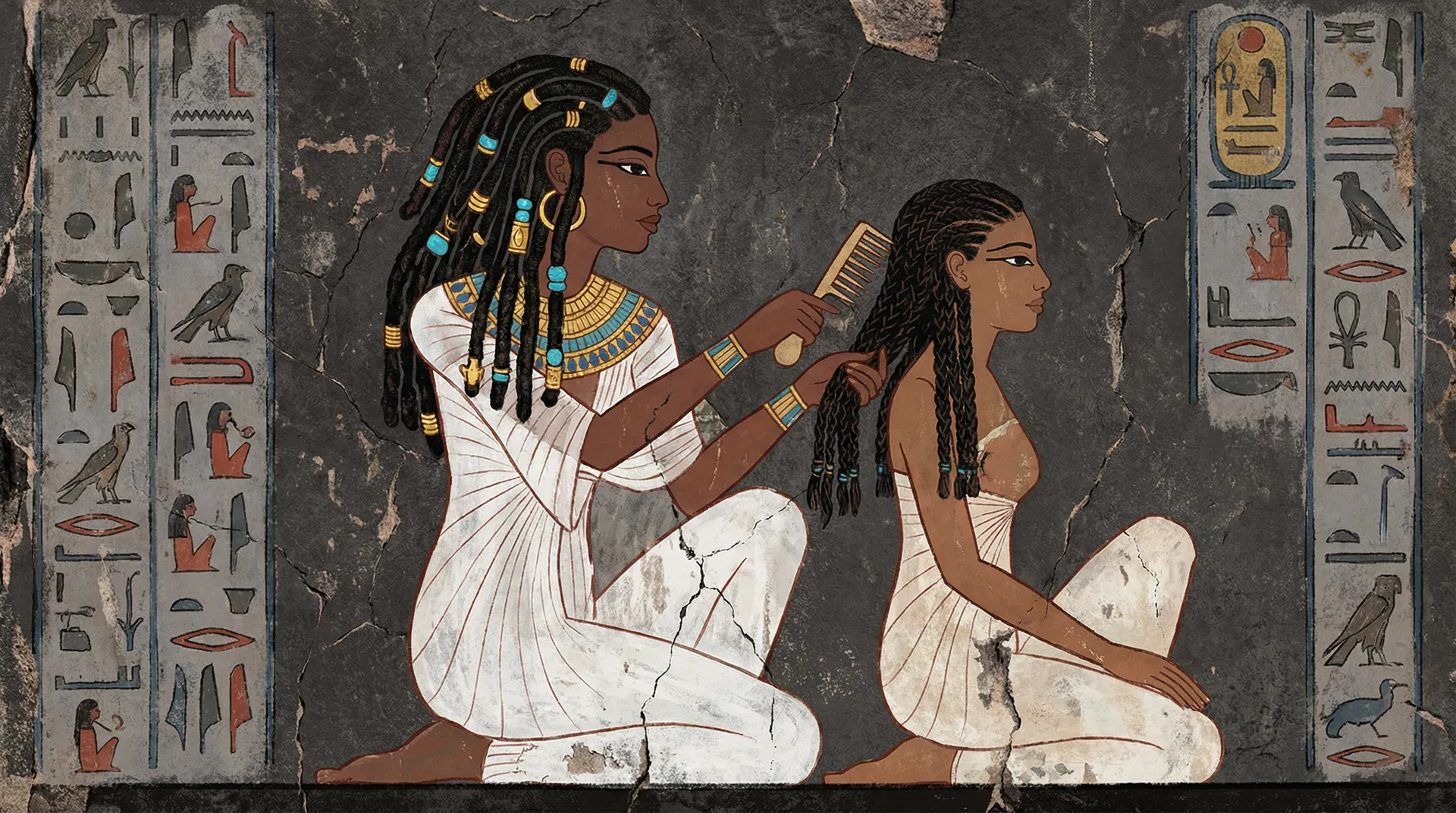
In ancient Africa, hair was a profound symbolic language. Hairstyles communicated tribe membership, social status, wealth, religion, age, and marital status. Braids found in hieroglyphs and cave paintings reveal that the artistry of Black hair is among humanity's oldest traditions.
Cornrows, braids, and coiled styles appear in ancient Egyptian art, Nok terracotta sculptures from Nigeria, and across West and Central African cultures.
The transatlantic slave trade inflicted a deep wound on Black hair identity. Enslavers forcibly shaved the heads of enslaved Africans as an act of dehumanization — stripping away not just hair, but cultural memory, tribal identity, and dignity.
Yet resistance persisted. Enslaved women braided maps into their cornrows — encoding escape routes, meeting points, and messages of freedom into the architecture of their hair.
Under the pressure of white supremacist beauty standards, many Black people straightened their hair to navigate a hostile society. Hot combs and chemical relaxers became tools of survival — not vanity — as straight hair offered access to employment and education denied to those who wore natural styles.
Madam C.J. Walker became America's first self-made female millionaire by creating hair care products specifically for Black women, building an empire and a legacy of Black entrepreneurship.
The Afro emerged as one of the most powerful political statements in American history. Worn proudly by activists, artists, and everyday people, the Afro declared: "Black is Beautiful." It was a direct rejection of Eurocentric beauty standards and an embrace of African heritage.
The Afro pick — with its raised fist handle — became a symbol of Black nationalism. Angela Davis, Nina Simone, and the Black Panthers wore their natural hair as a declaration of freedom.
Dreadlocks gained mainstream visibility through reggae and hip-hop culture, while elaborate braided styles became a canvas for artistic expression. Box braids, cornrows, and Senegalese twists moved between street culture and high fashion.
The barbershop and beauty salon solidified their roles as sacred community spaces — places of storytelling, mentorship, political debate, and cultural transmission.
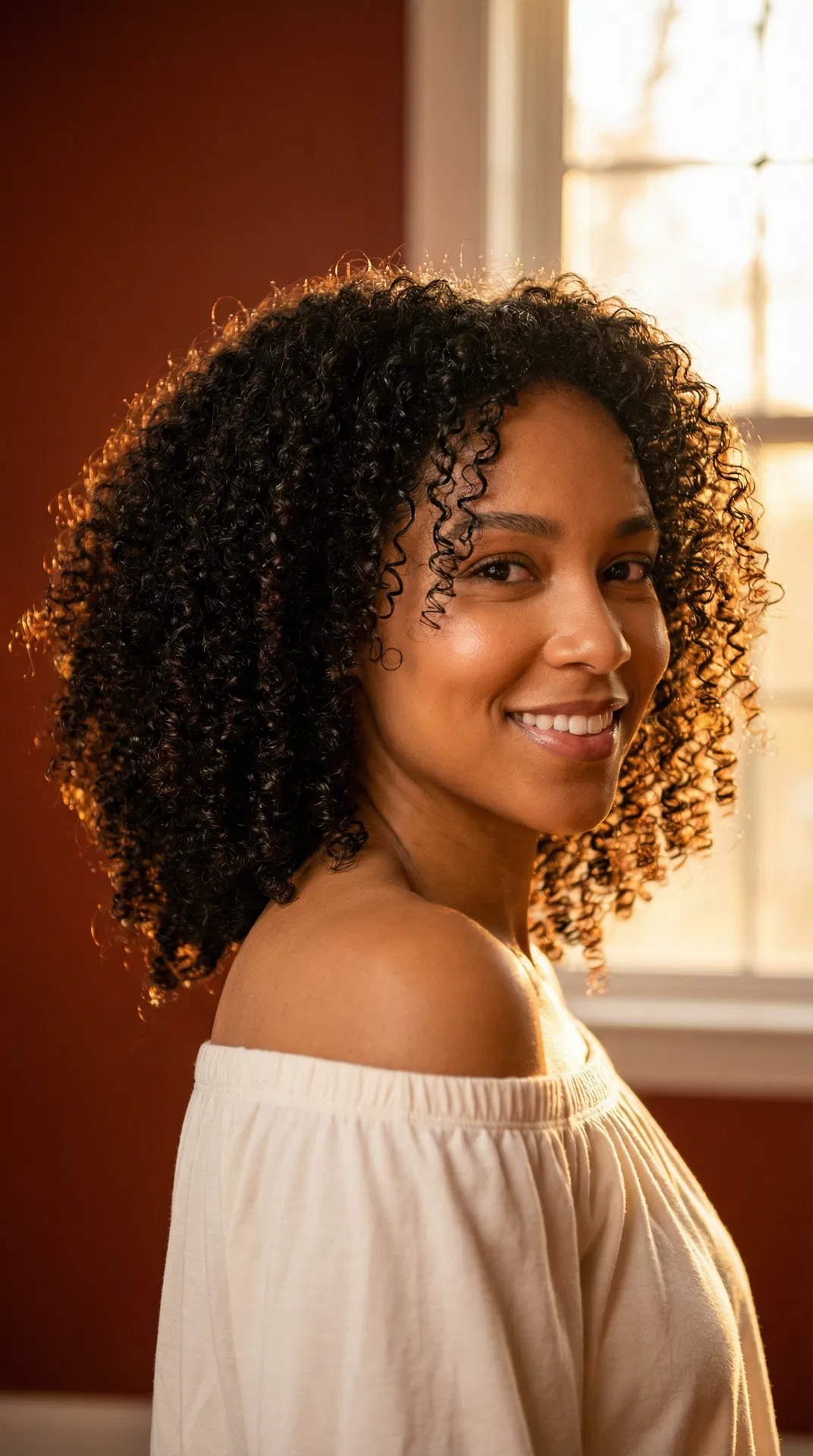
A global natural hair movement reclaimed the beauty of unaltered Black hair. Millions of women "went natural," building a thriving community of tutorials, products, and celebration. The hashtag #NaturalHair became a movement of self-love and cultural pride.
In 2019, California became the first state to pass the CROWN Act, protecting Black people from hair discrimination. By 2023, 23 states had followed. The fight for the right to wear your crown continues.
Ancient Egyptian art bears witness — braided hairstyles were sacred, royal, and deeply intentional.
"Hair in 1976 spoke to racial identity politics as well as bonding between African American women. Its style could lead to acceptance or rejection."— Noliwe Rooks, Hair Raising: Beauty, Culture, and African American Women, Rutgers University Press, 1996
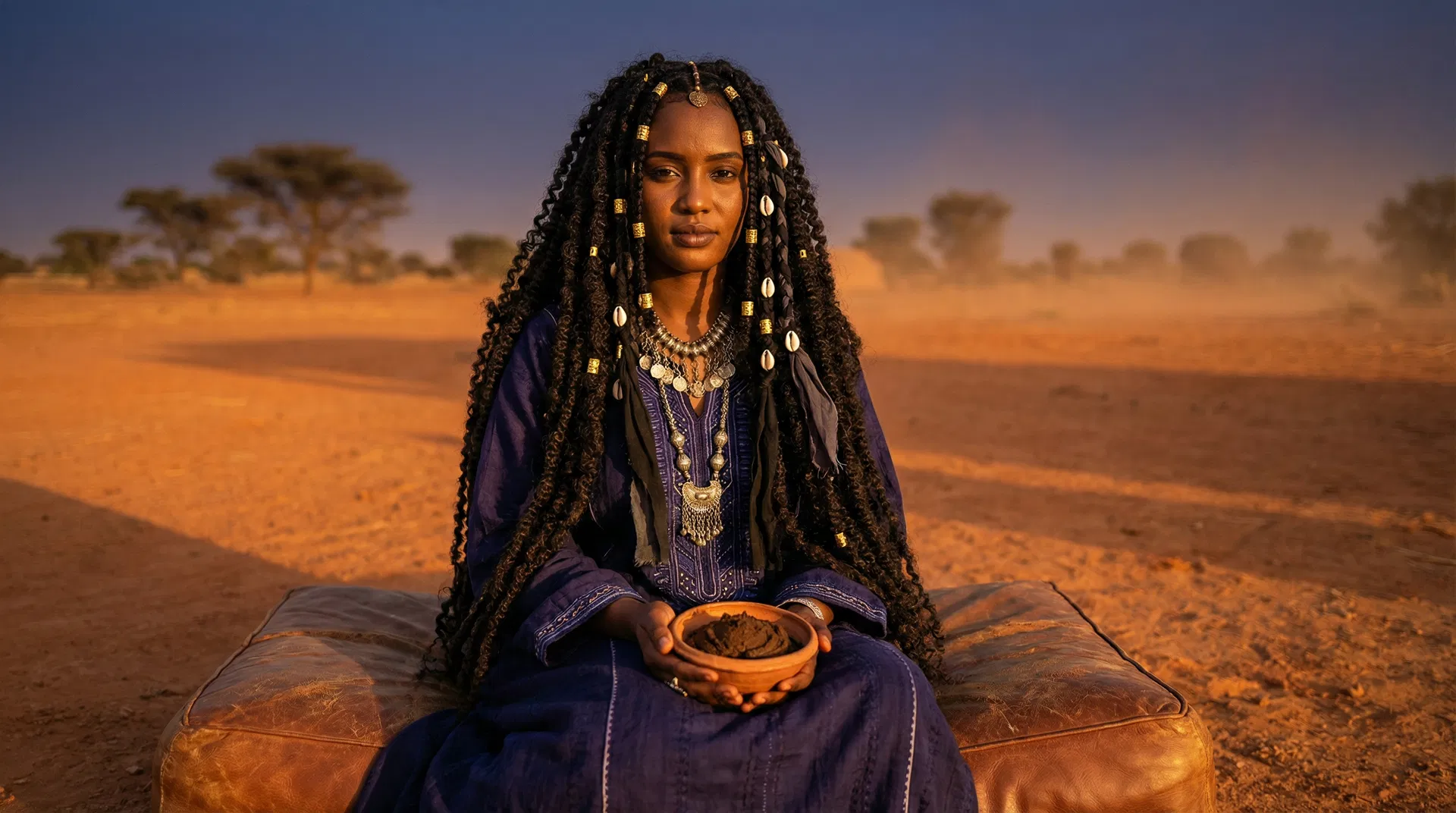
"Chébé is a gift left up in the mountain by God."
In the Sahelian heartland of Chad, the Basara Arab, Fulani, and Toubou women have carried a thousand-year-old haircare tradition through desert winds and generational hands. Their rituals are not beauty routines — they are acts of identity, community, and spiritual inheritance.
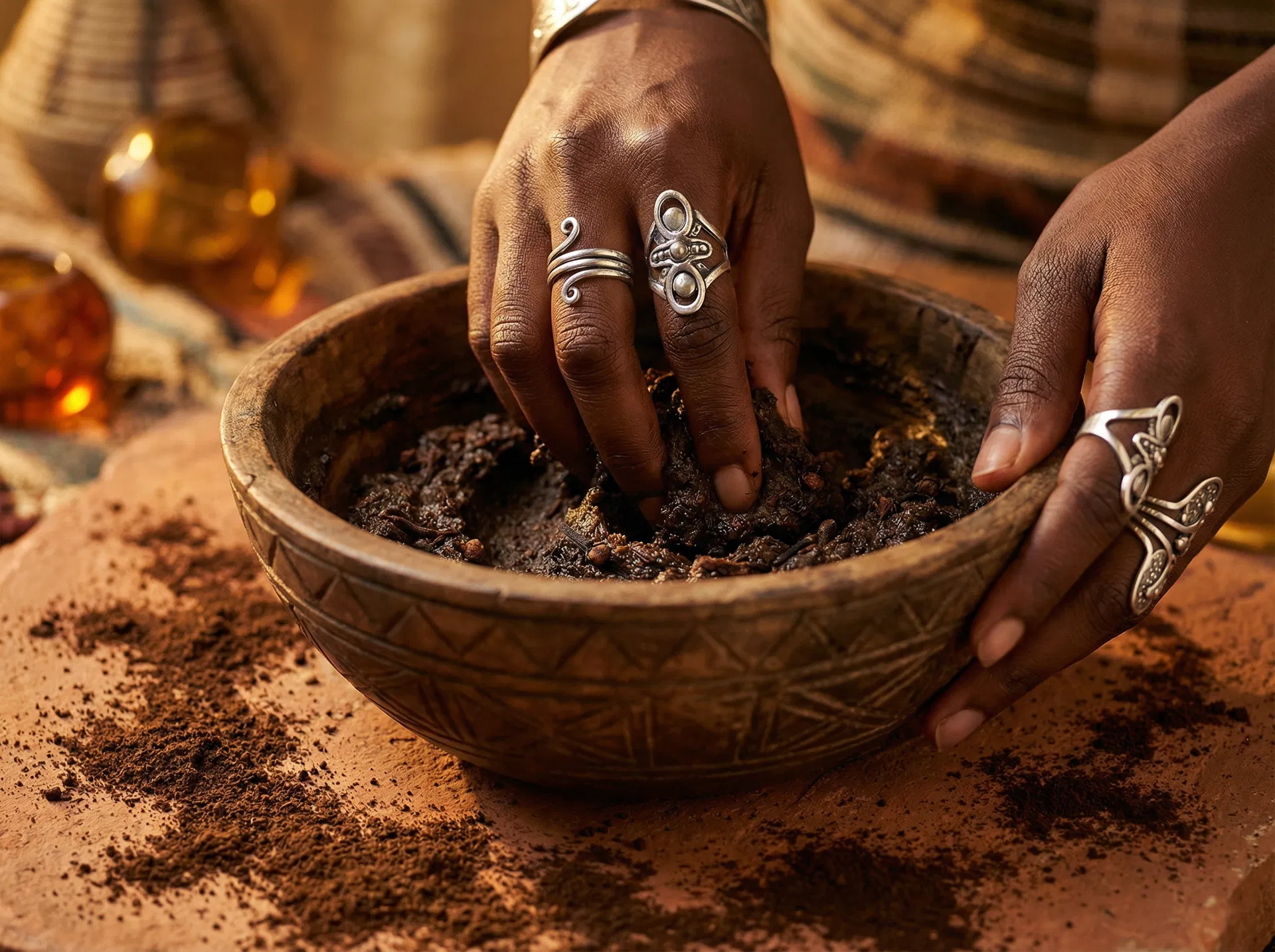
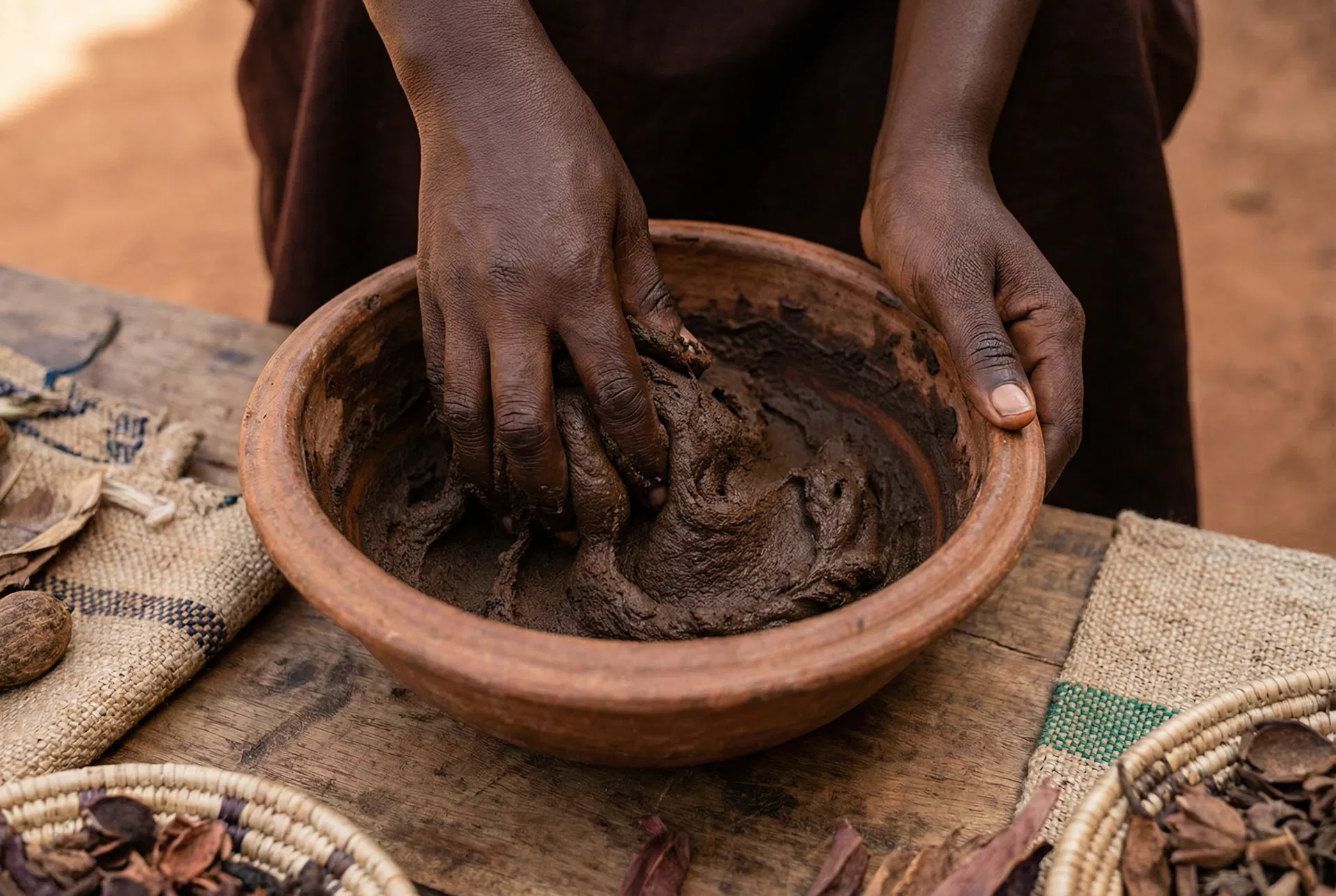
For centuries, the nomadic Basara Arab women of northern Chad have maintained waist-length, hip-grazing hair through the sacred Chébé ritual. Chébé powder — ground from Croton zambesicus seeds, cloves, cherry kernels, resin, and stone scent — is mixed with shea butter into a rich paste and worked through every strand, root to tip. Hair is then braided and left undisturbed for days, locking in deep moisture and fortifying each coil against the harsh Sahelian climate.
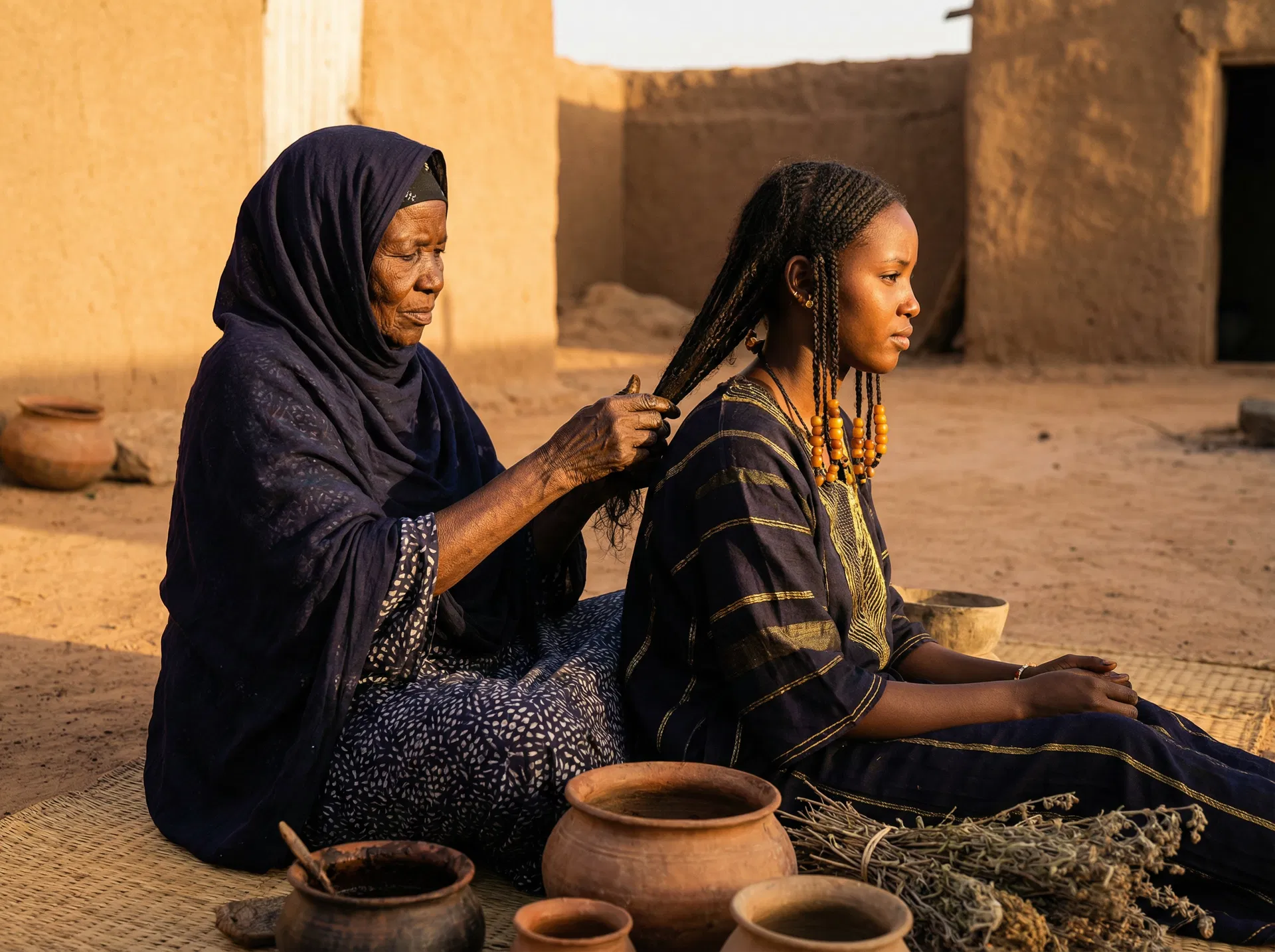
In Chad, a hairstyle is never merely decorative — it is a sentence spoken without words. The number of braids, their direction, and the adornments woven through them communicate marital status, age, tribal affiliation, and life stage to anyone who knows how to read them. "Two braids in the middle instead of one is exclusive to married women," explains photographer Petersen. "The way we braid our hair in Chad sends a message." (Source: Vogue.com, March 8, 2022)
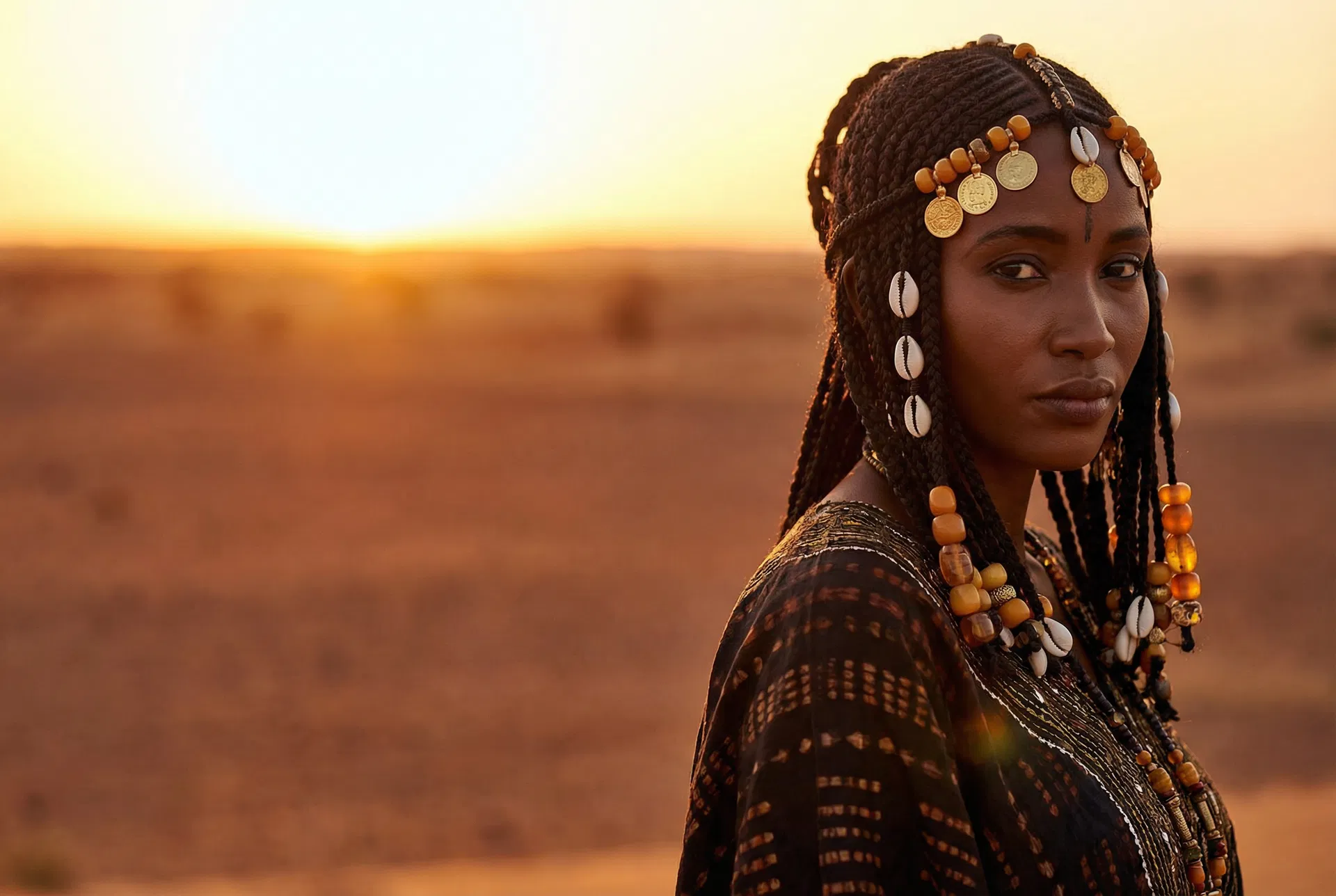
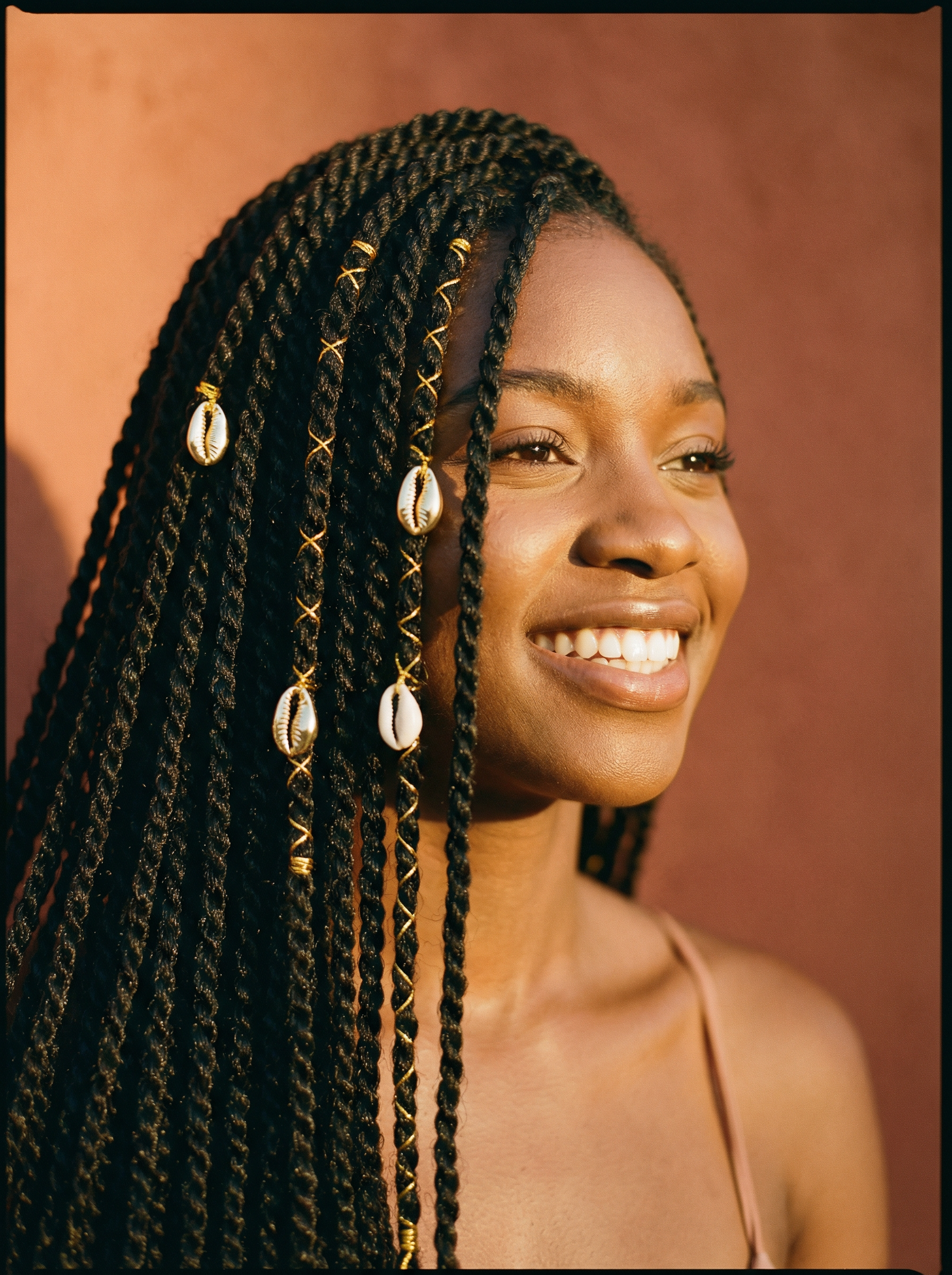
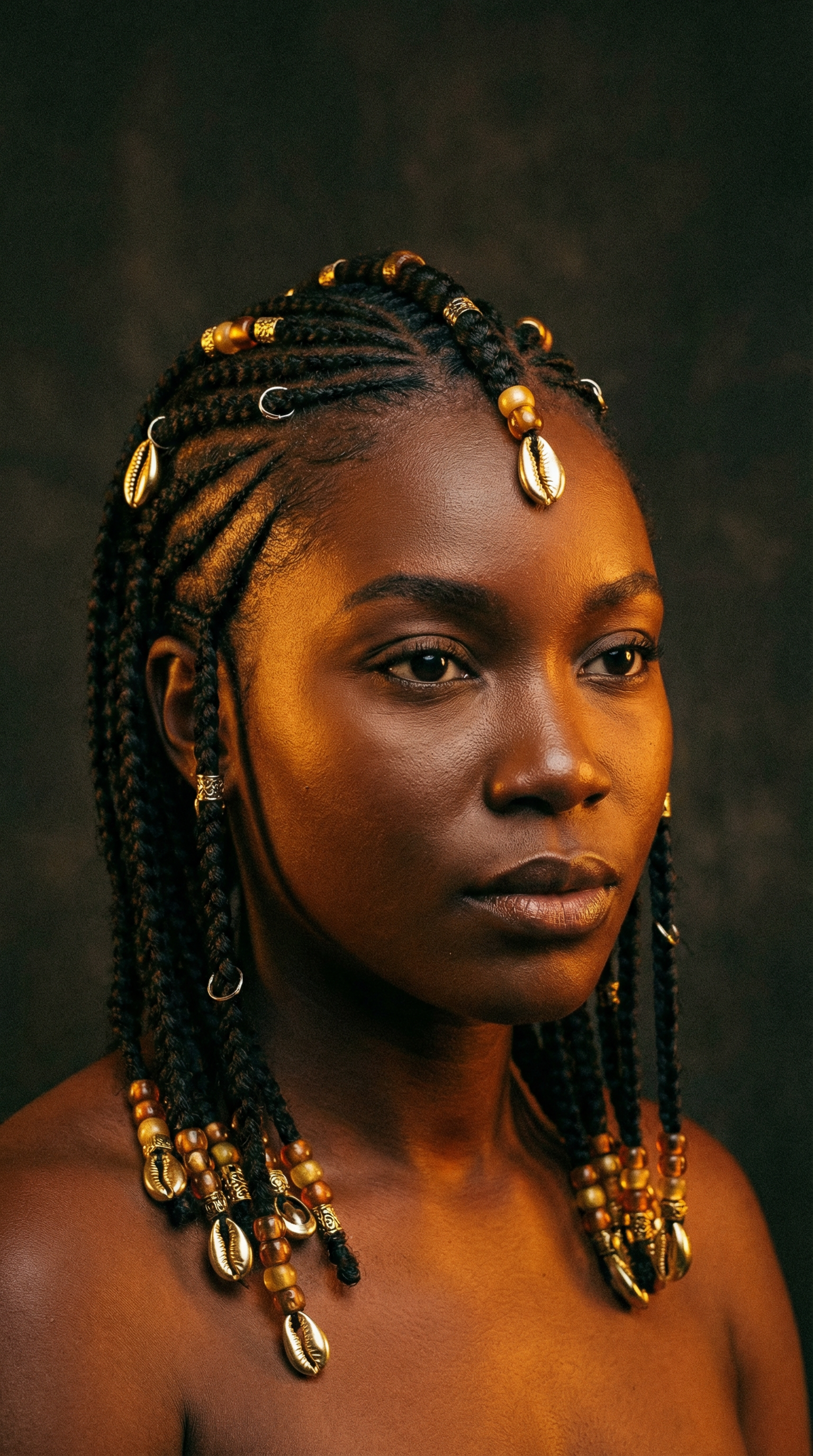
The Fulani people — present across Chad, Niger, Mali, and Nigeria — are renowned for a distinctive braiding style that has endured for thousands of years. Long, thin braids frame the face and cascade down the back, adorned with cowrie shells, amber beads, and gold metallic charms. Each element carries meaning: cowrie shells signify fertility and prosperity; amber connects the wearer to ancestral protection; gold marks beauty and social standing.
Every ingredient in the Chébé paste is native to the Sahel region and has been used for generations. Roasted, ground, and blended by hand, they form a formula that modern cosmetic science is only beginning to understand — a complete moisture- retention and breakage-prevention system built entirely from the land.
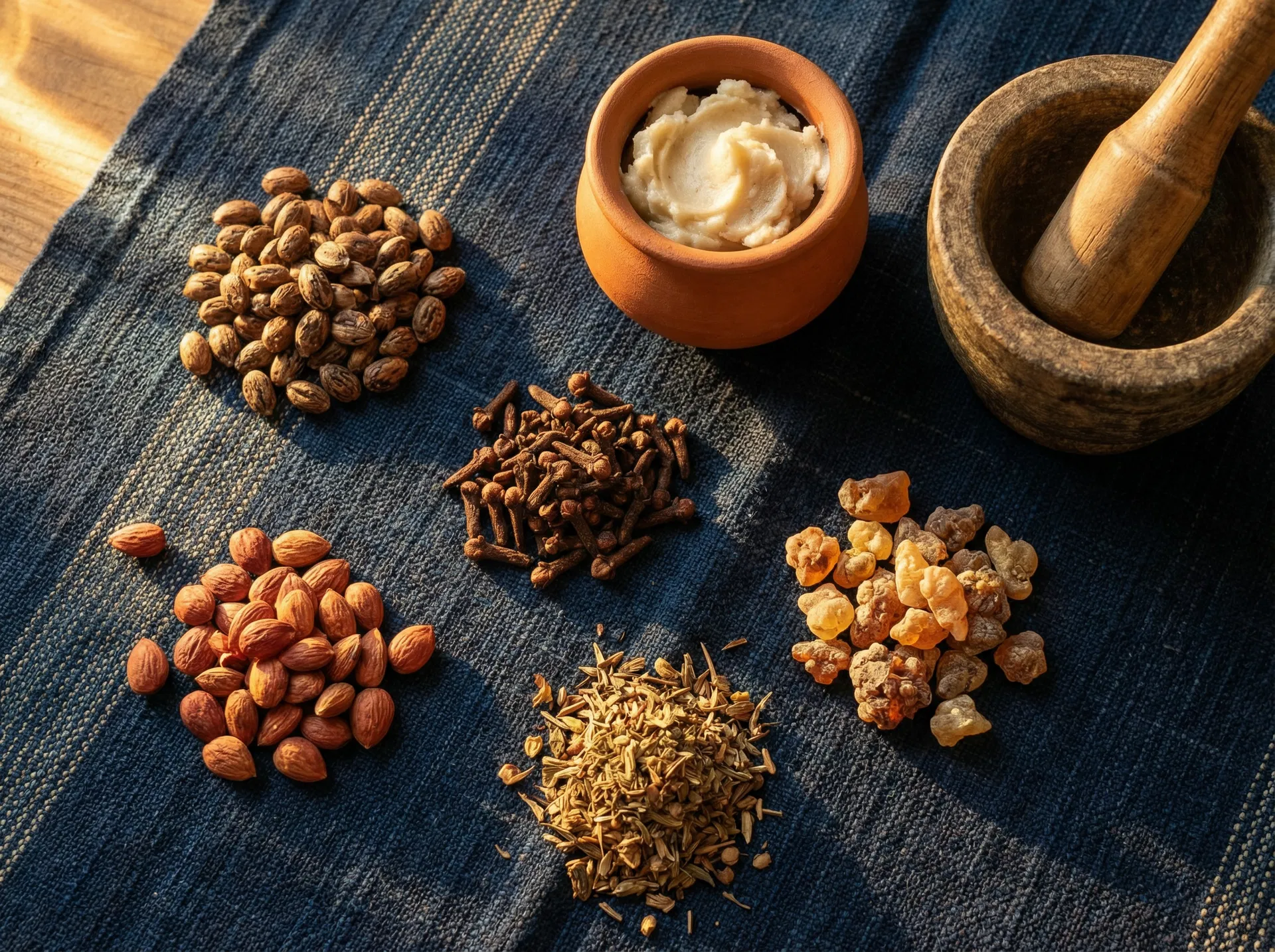
Lavender Croton / Chébé Seeds
The primary ingredient. Strengthens the hair shaft, reduces breakage, and coats each strand in a protective layer that shields against environmental damage.
Mahllaba Soubiane — Cherry Kernels
Adds deep moisture and a natural sheen. The kernel oil penetrates the cortex of kinky, coily strands to improve elasticity and reduce split ends.
Cloves
Antimicrobial and stimulating. Cloves promote scalp circulation, discourage fungal growth, and contribute a warm, spiced aroma to the paste.
Resin / Samour
Acts as a natural sealant. The resin locks moisture inside the hair shaft for days at a time — critical in the dry Sahelian climate.
Karité — Shea Butter
The carrier that binds the powder into a workable paste. Shea butter adds emollient weight, seals the cuticle, and provides slip for braiding.

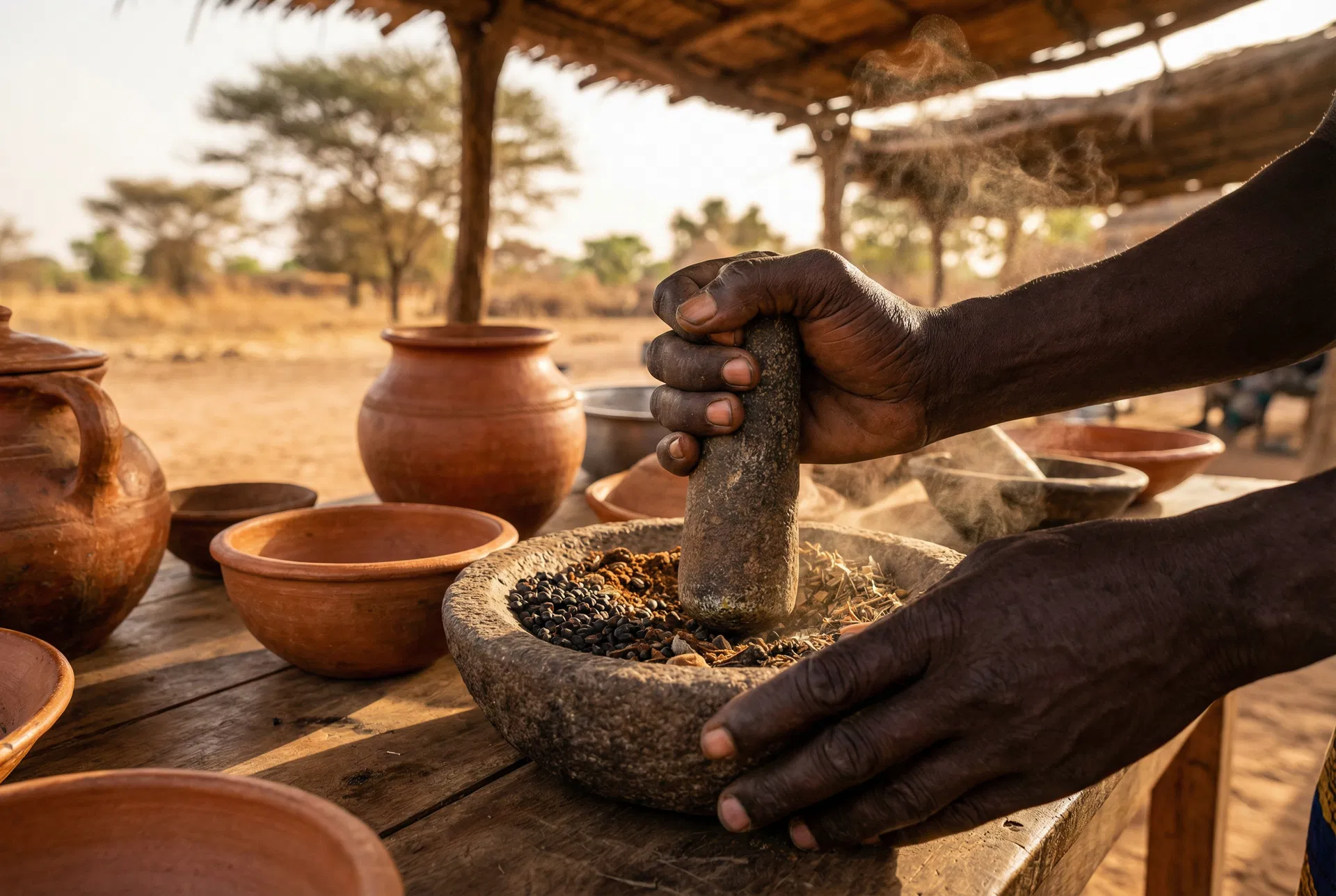
Roast & Grind
The five ingredients are dry-roasted over an open flame to release their oils, then ground together with a mortar and pestle into a fine, fragrant powder.
Blend the Paste
The powder is combined with warm shea butter or mahlab oil until it forms a thick, workable paste — the consistency of soft clay.
Apply Strand by Strand
Hair is dampened, sectioned, and the paste is worked through each section from root to tip. Older women apply the treatment to younger ones — the ritual is communal by design.
Braid & Rest
Each section is braided immediately after application, sealing the paste against the hair shaft. The braids are left for several days, allowing deep penetration.
"The way we braid our hair in Chad sends a message. Two braids in the middle instead of one is exclusive to married women."
— Chadian braiding tradition
Are you part of the Chadian diaspora? Do you carry the Chébé tradition, the language of braids, or the memory of a grandmother's hands in your hair? We invite you to share your crown — your story belongs in this archive.
Submit Your Crown ✦Roots & Routes
Black hair is a living map of migration, survival, and cultural memory. Click any highlighted region to explore the origins of iconic styles and trace their journeys across continents and centuries.
Select a Region
Click any highlighted area on the map to discover the hairstyles, history, and cultural wisdom of that region.
From ancient cornrows to modern fades — every style tells a story of identity, resilience, and beauty.
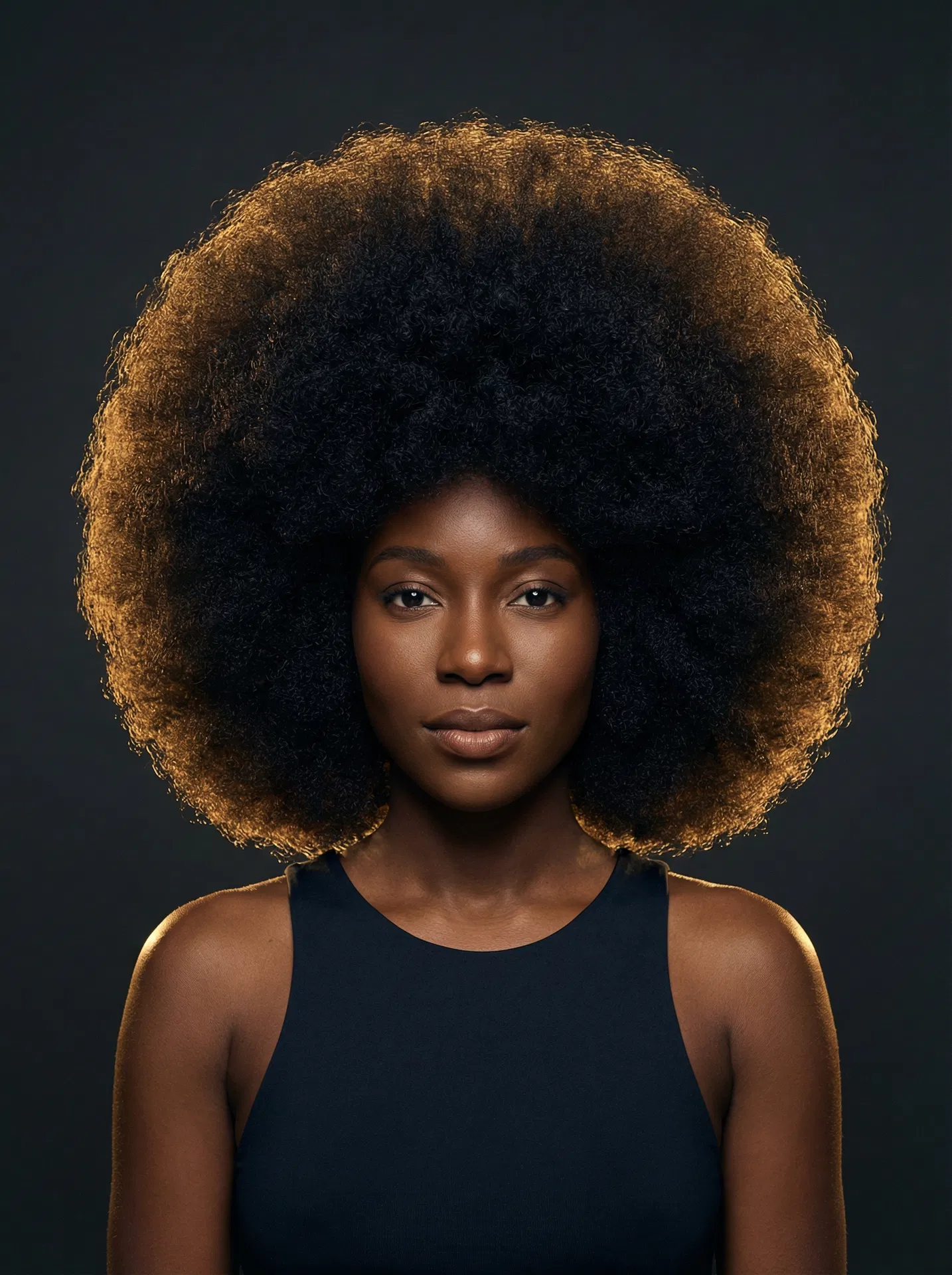
West Africa
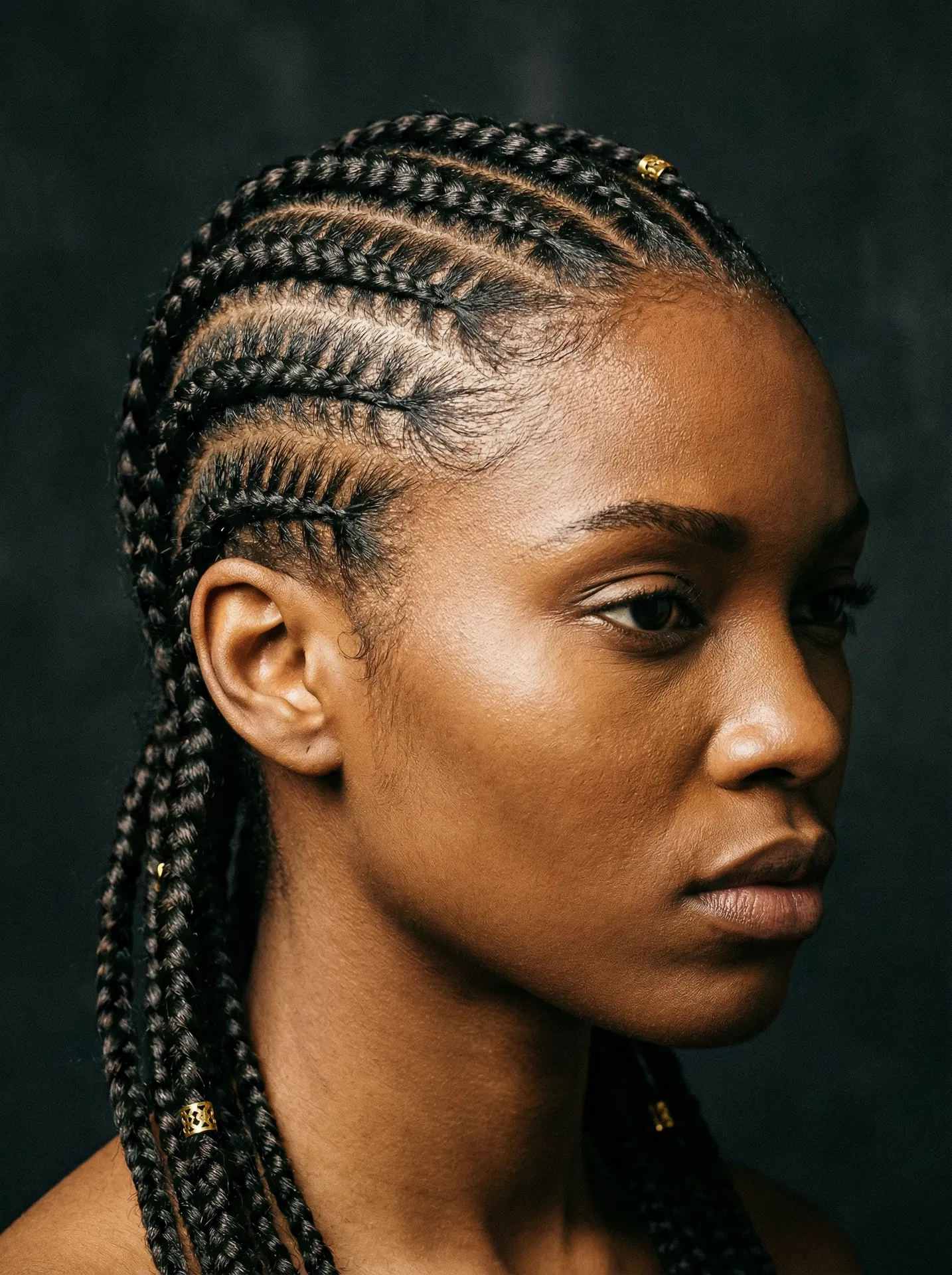
West Africa (3500 BC)
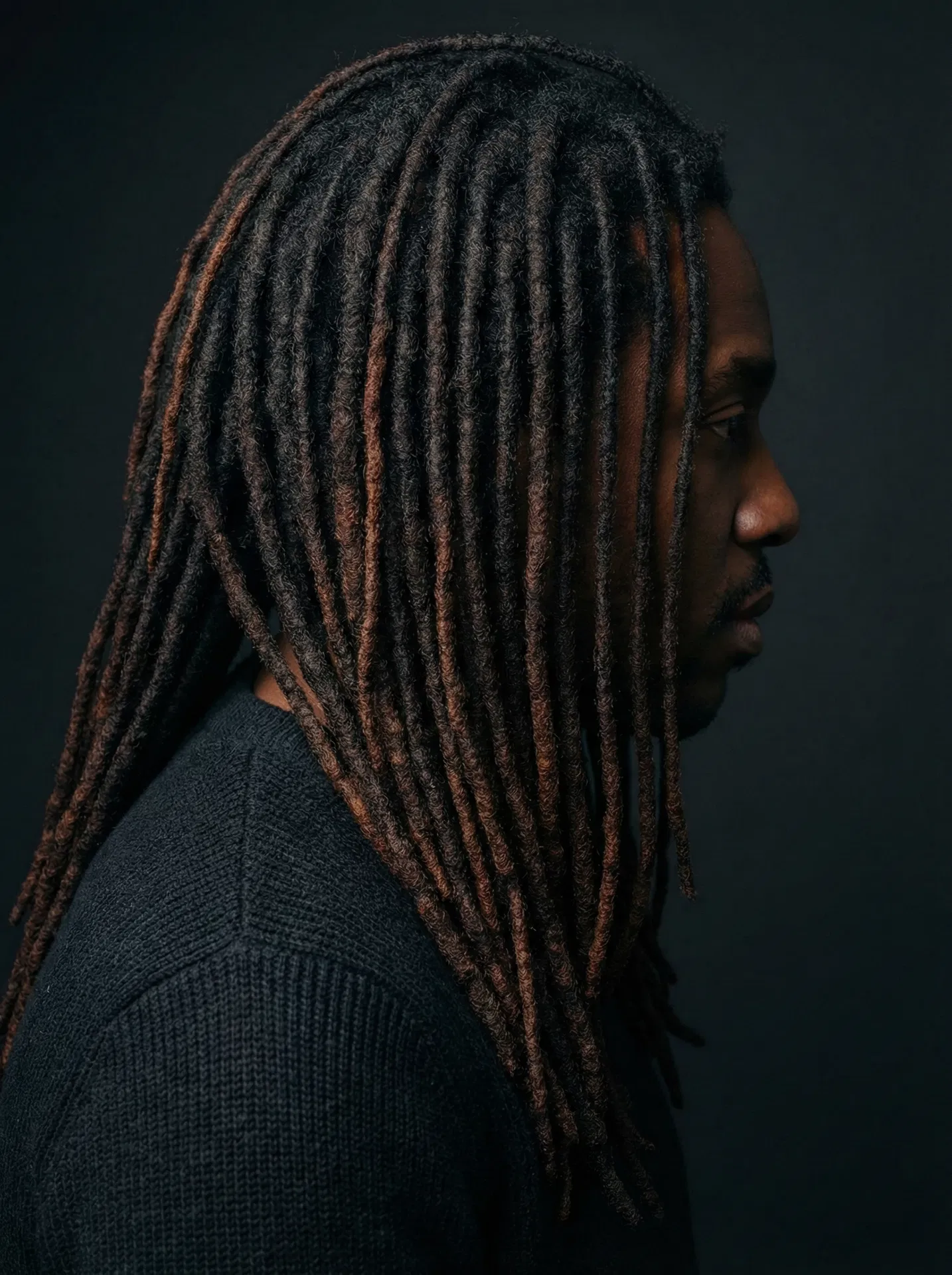
Multiple African cultures; Rastafarian movement
West, Central & East Africa
Senegal, West Africa
Zulu people, Southern Africa
African American barbershop culture
West Africa
African heritage
Fulani people, West Africa
Natural hair movement
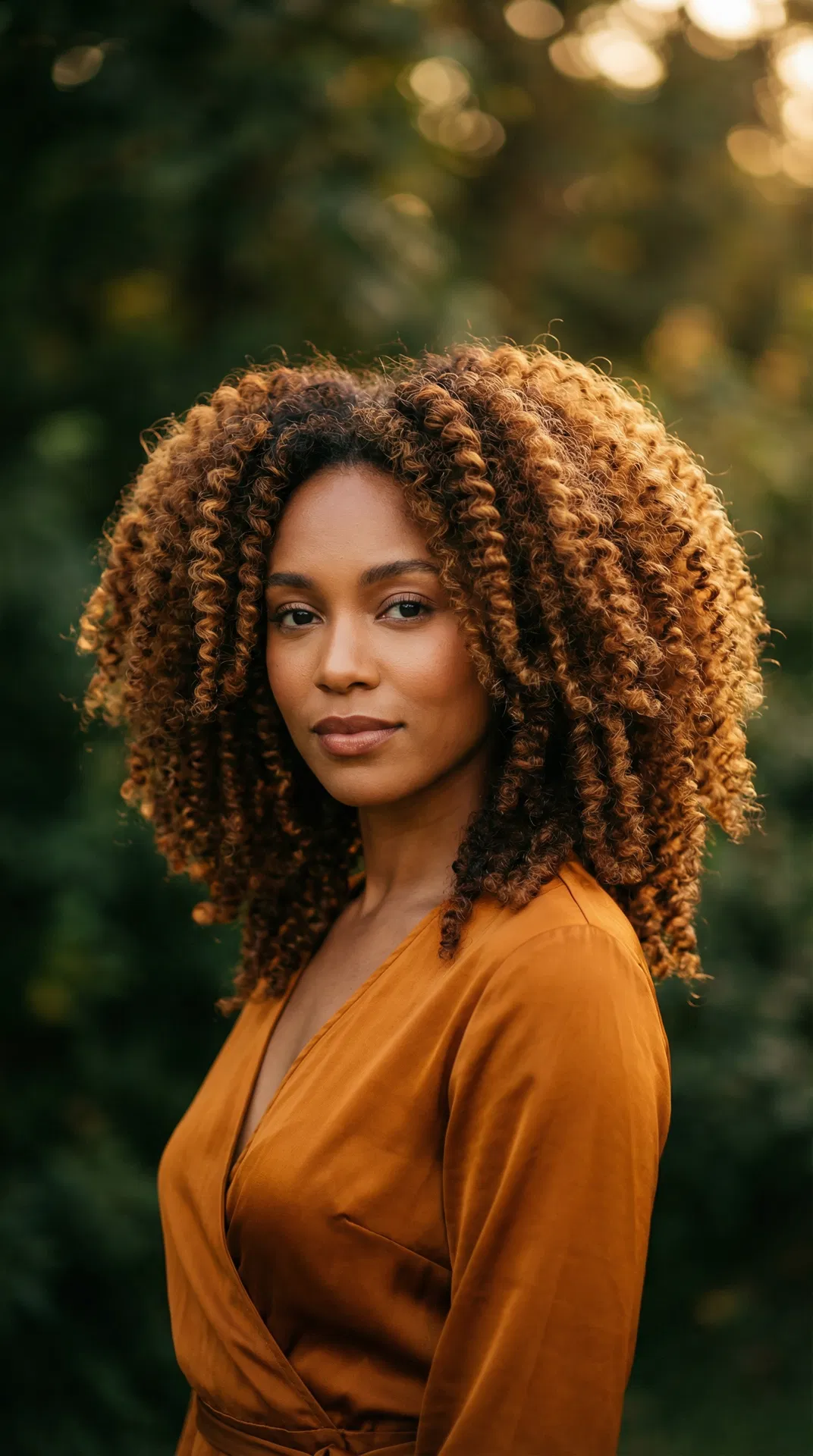
African American natural hair culture
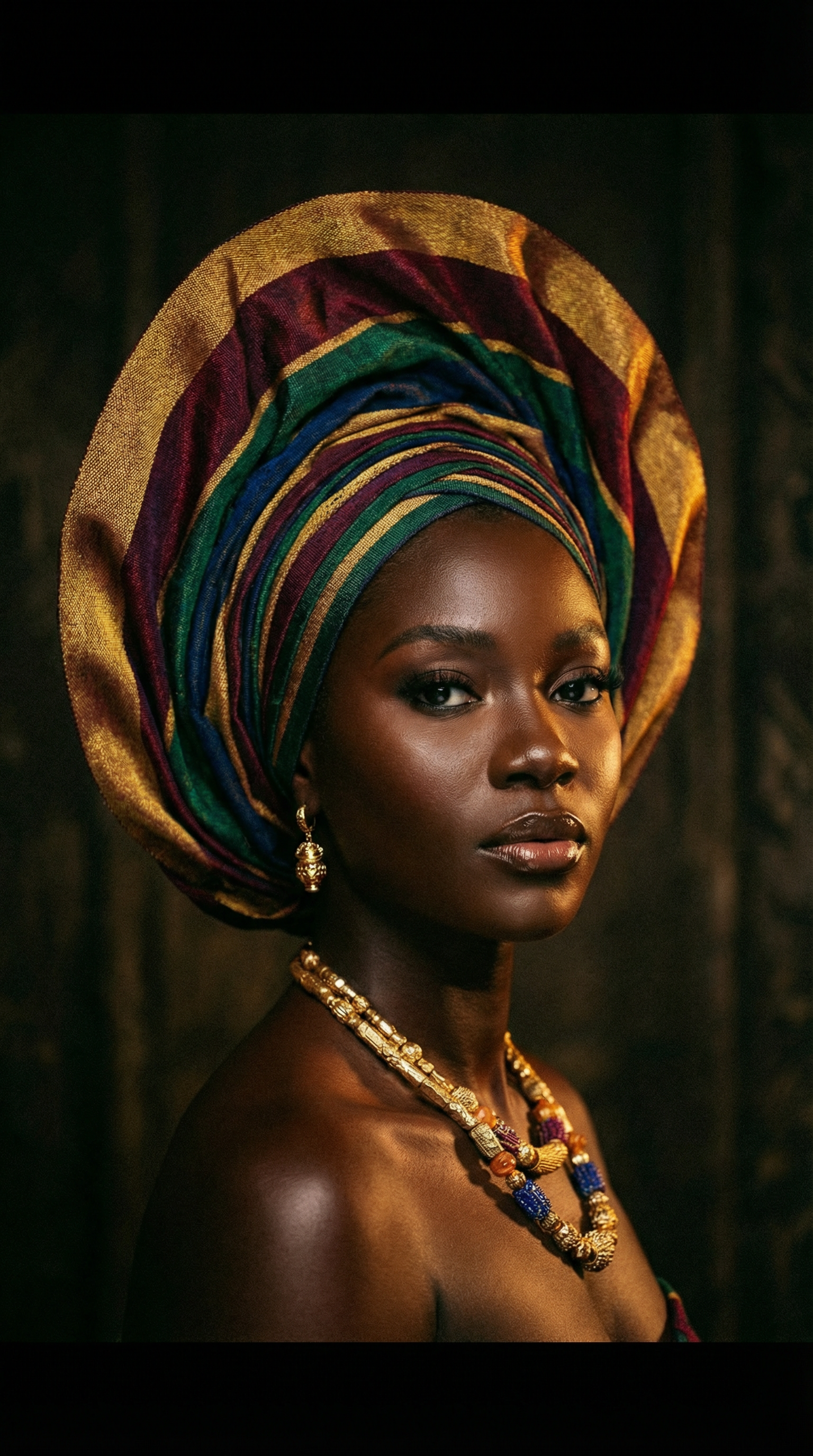
West Africa (Yoruba, Igbo, Akan cultures)

West Africa
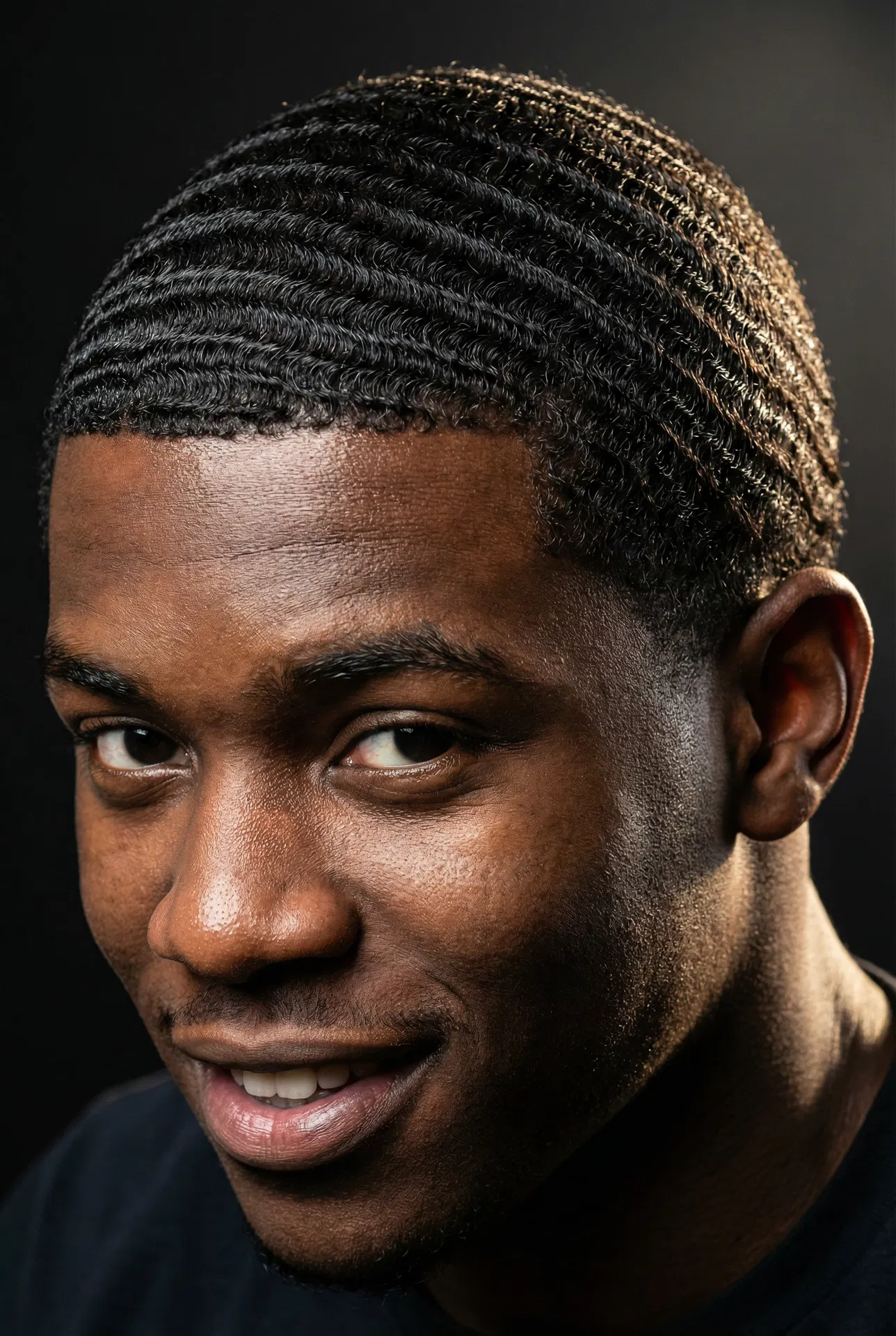
African American culture, United States
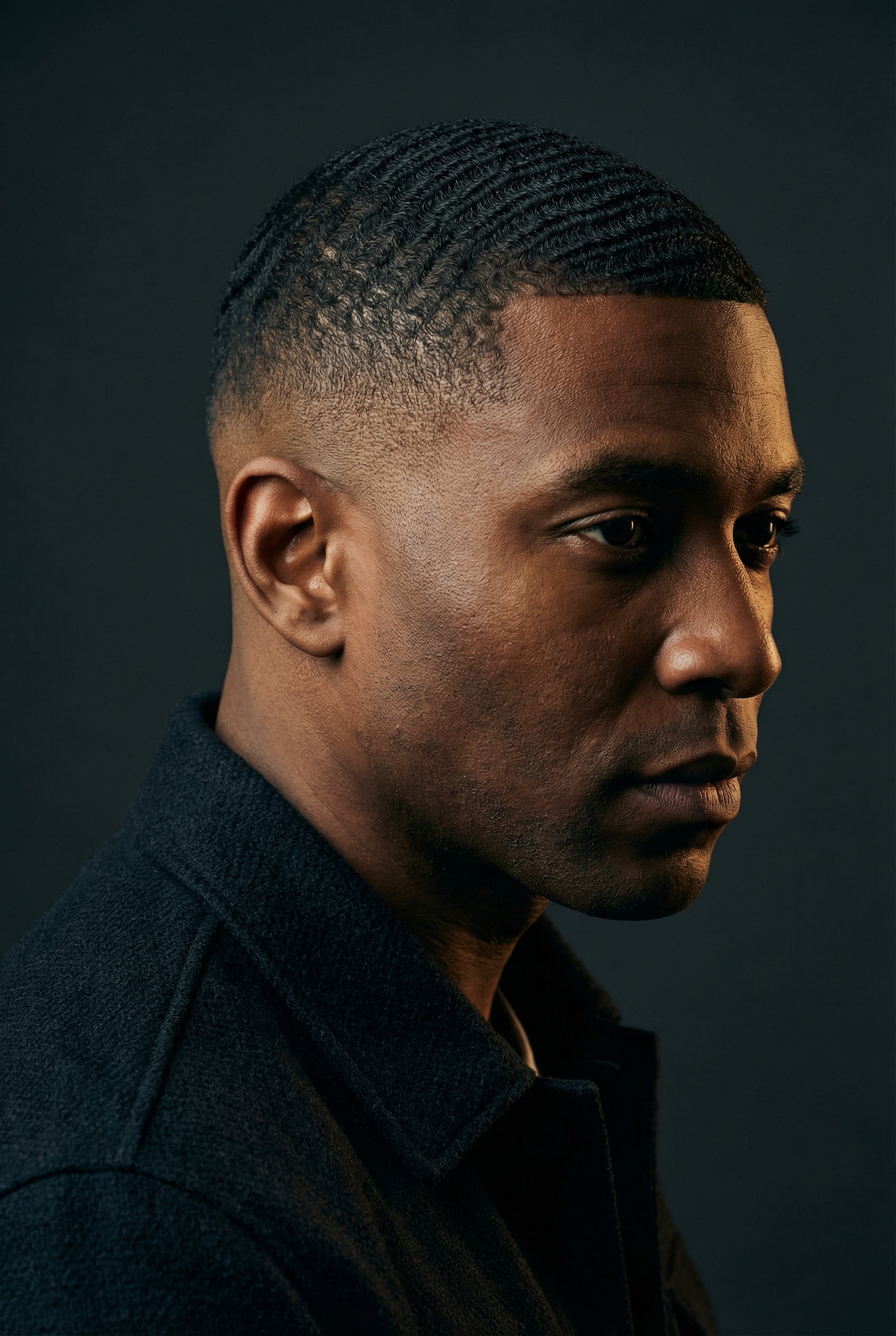
African American barbershop culture
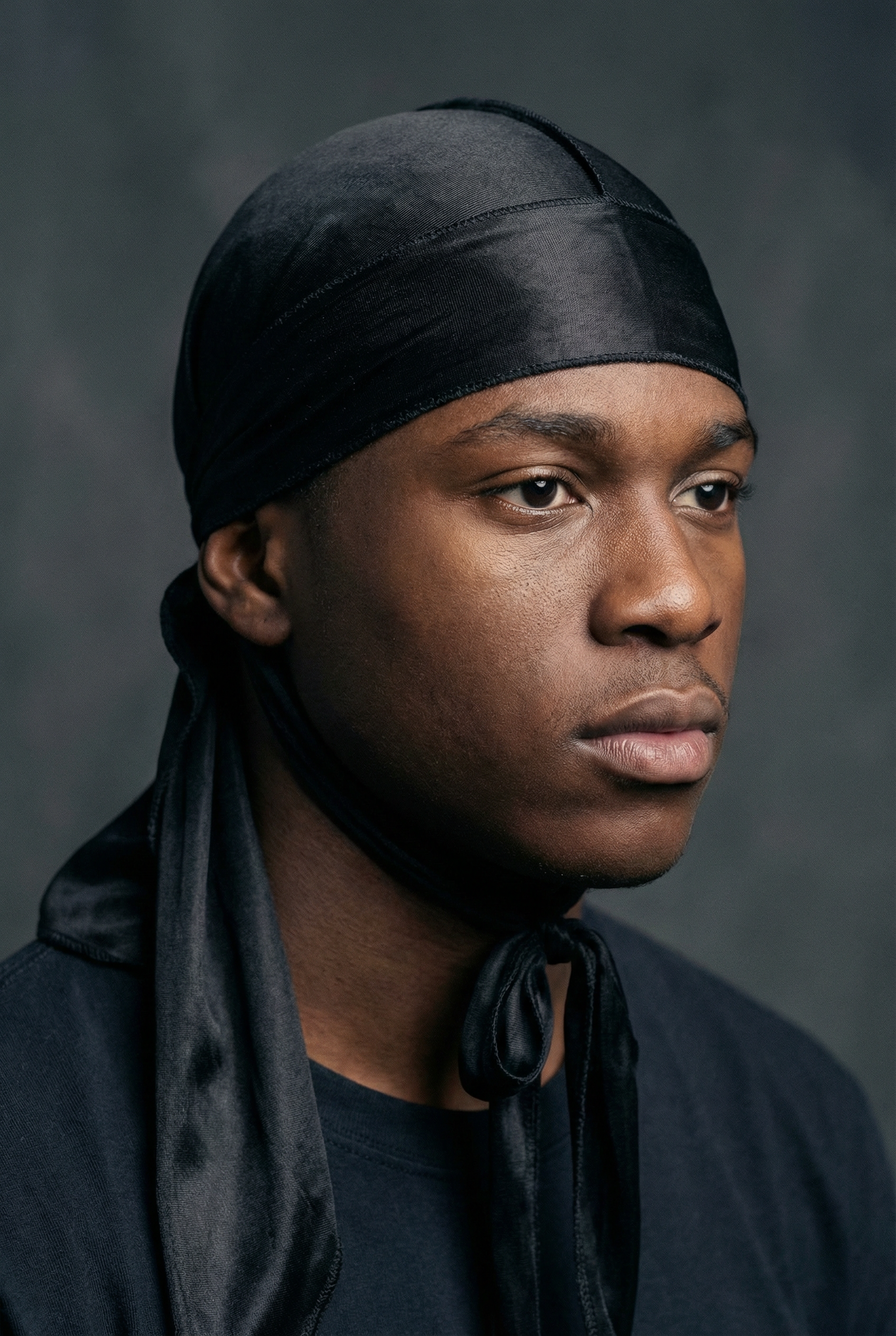
African American culture
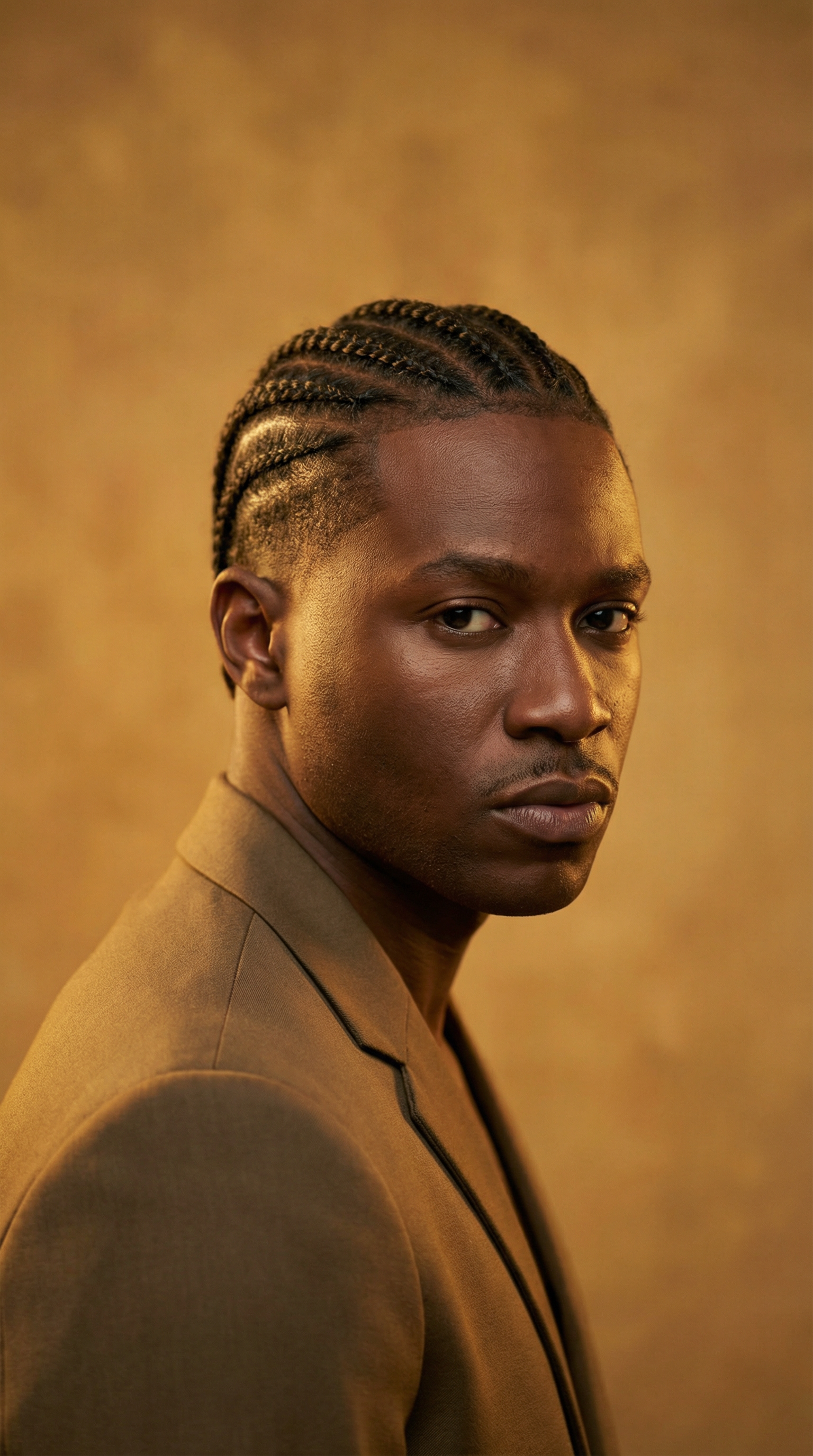
West Africa
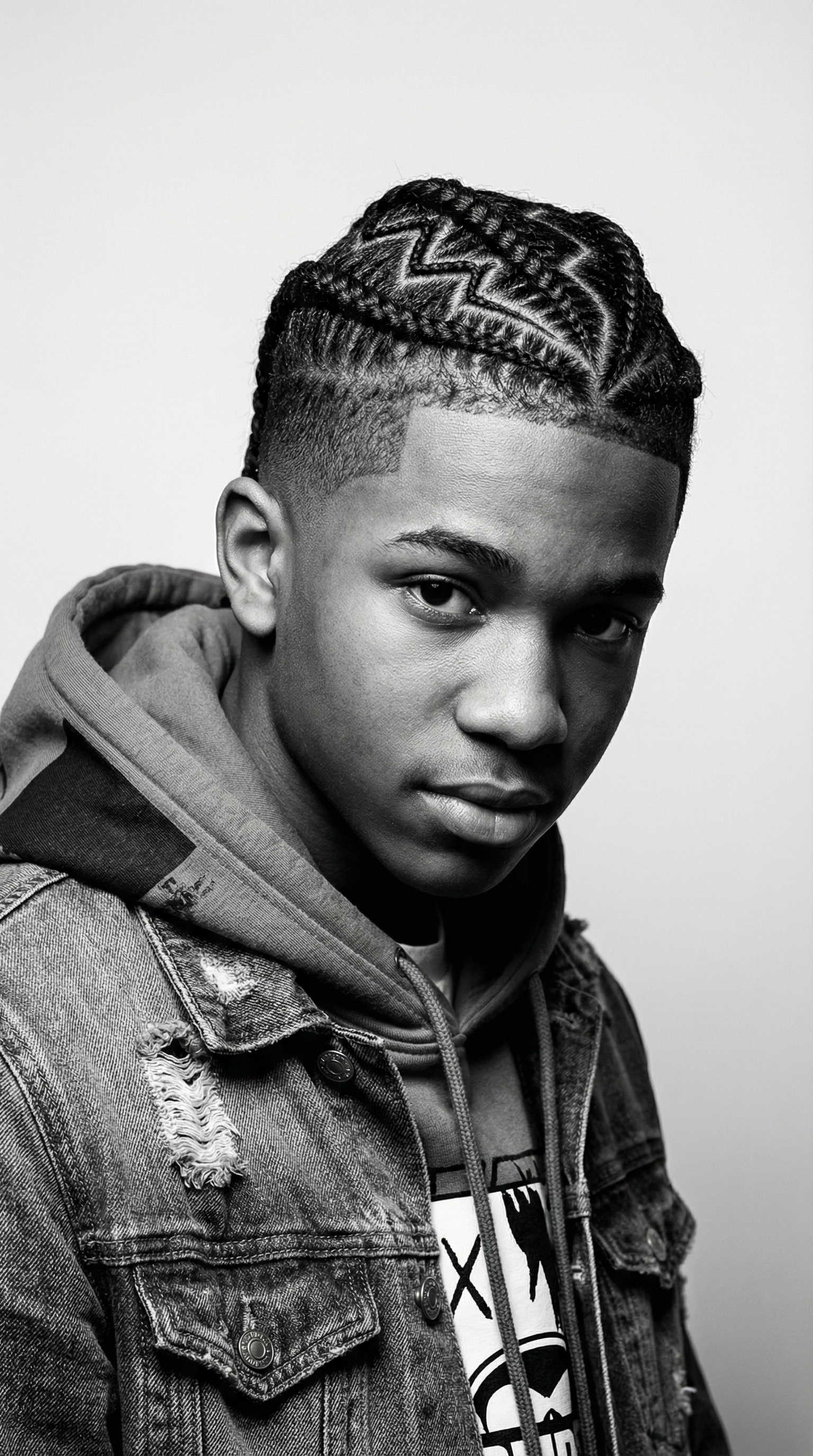
West Africa
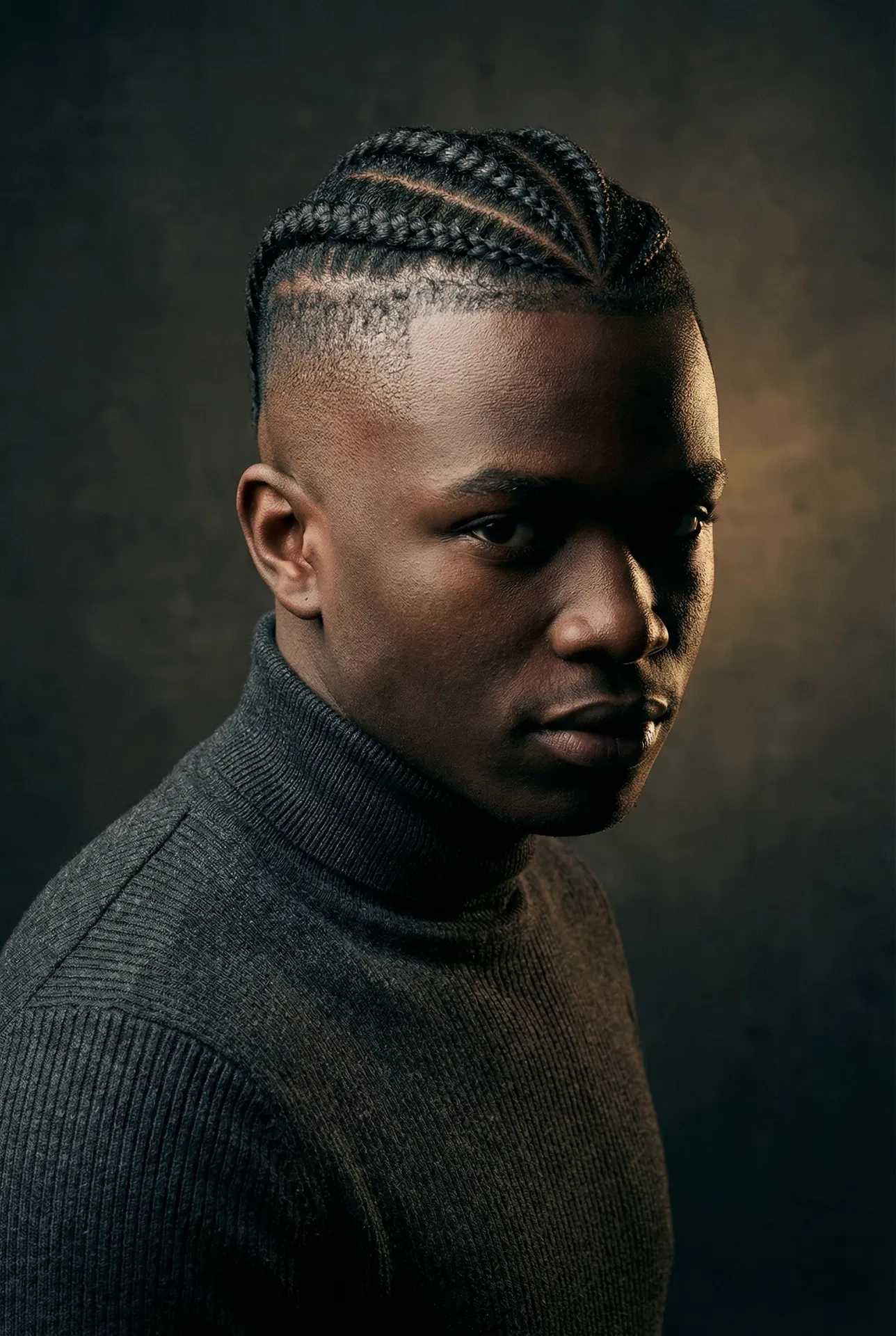
African American culture, New York
African American barbershop culture
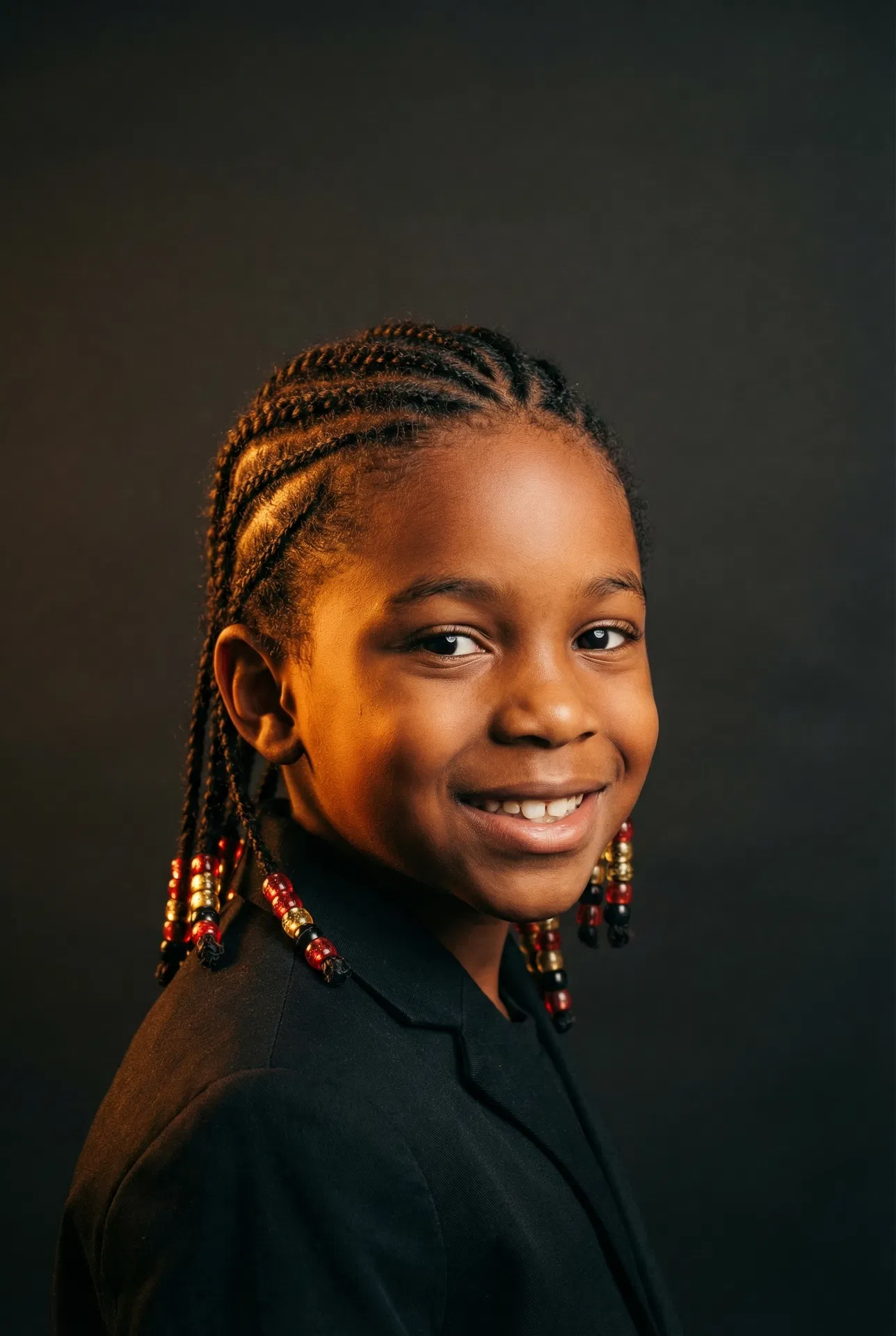
West Africa
West Africa
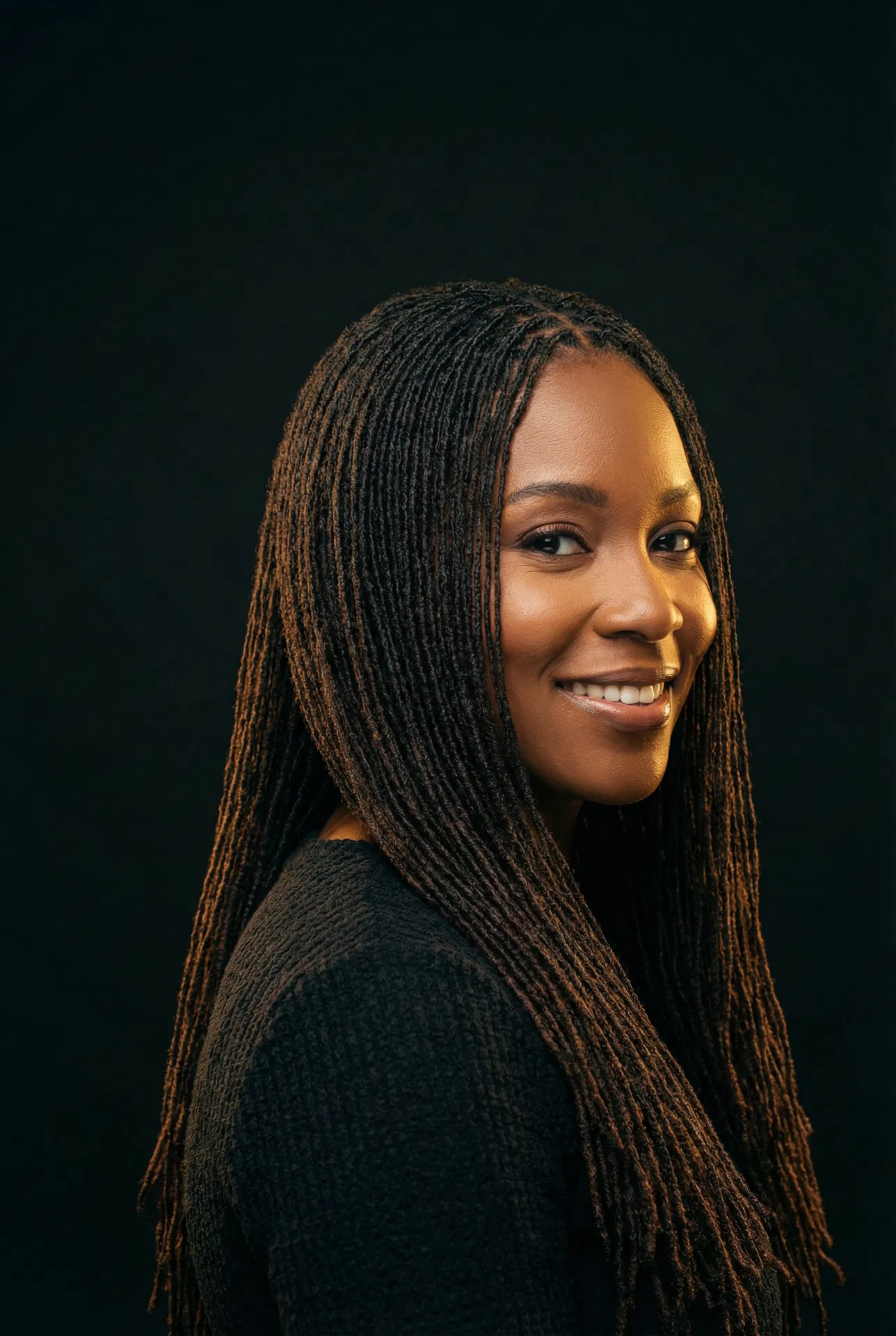
United States (Dr. JoAnne Cornwell, 1993)
Black hair is not just worn — it is crafted. Hover over any image to reveal the extraordinary intricacy hidden in plain sight.
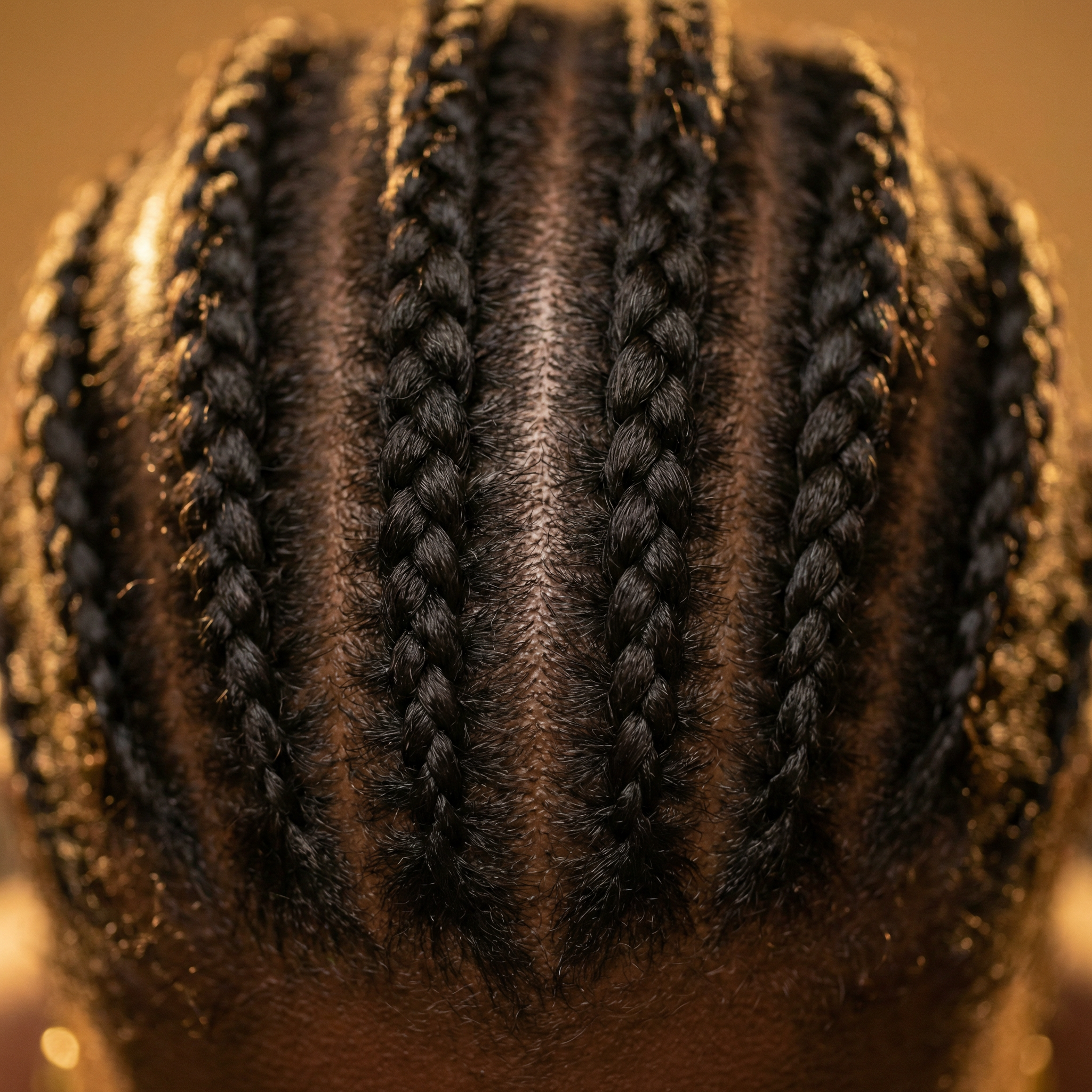
Architecture of the Scalp
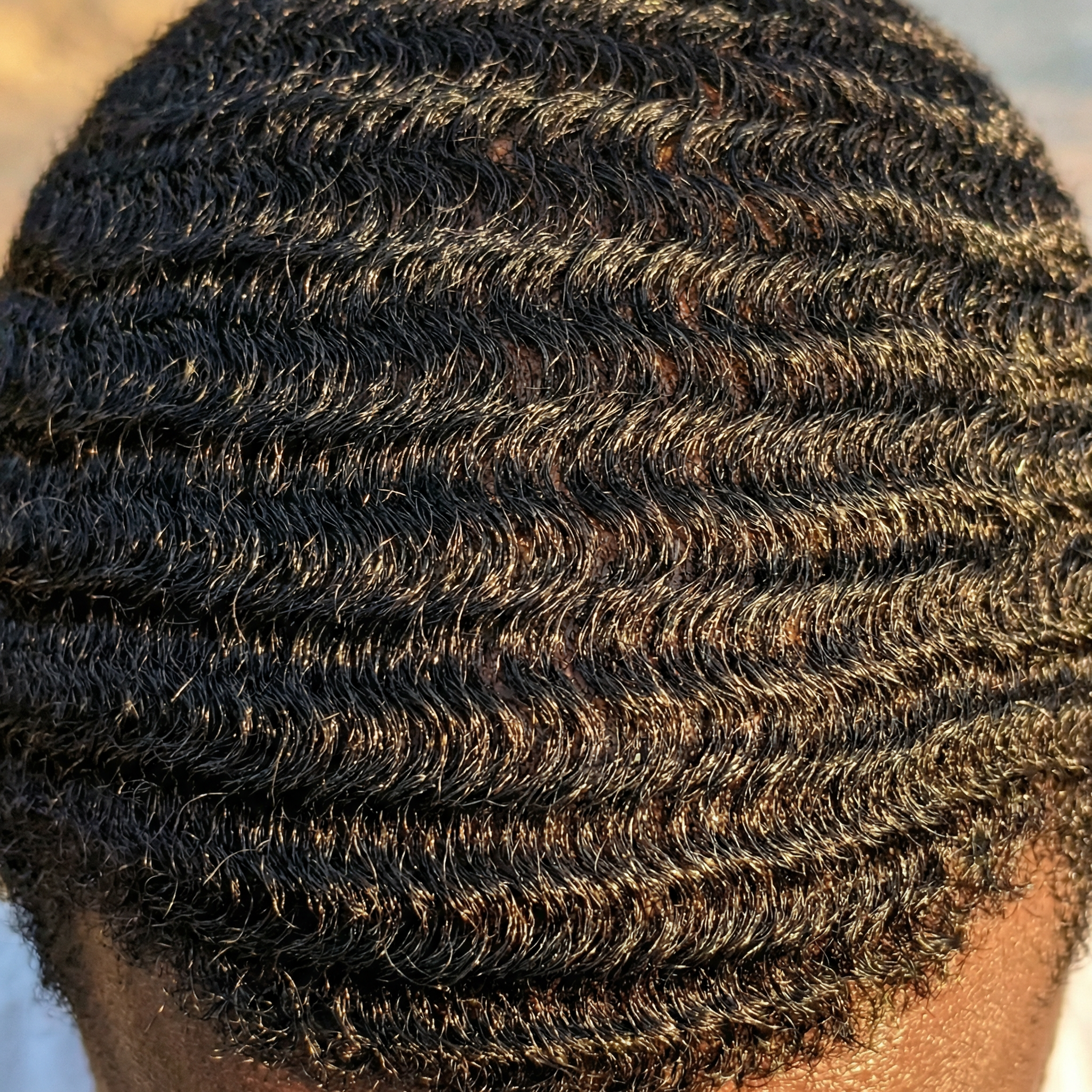
Ripples of Discipline
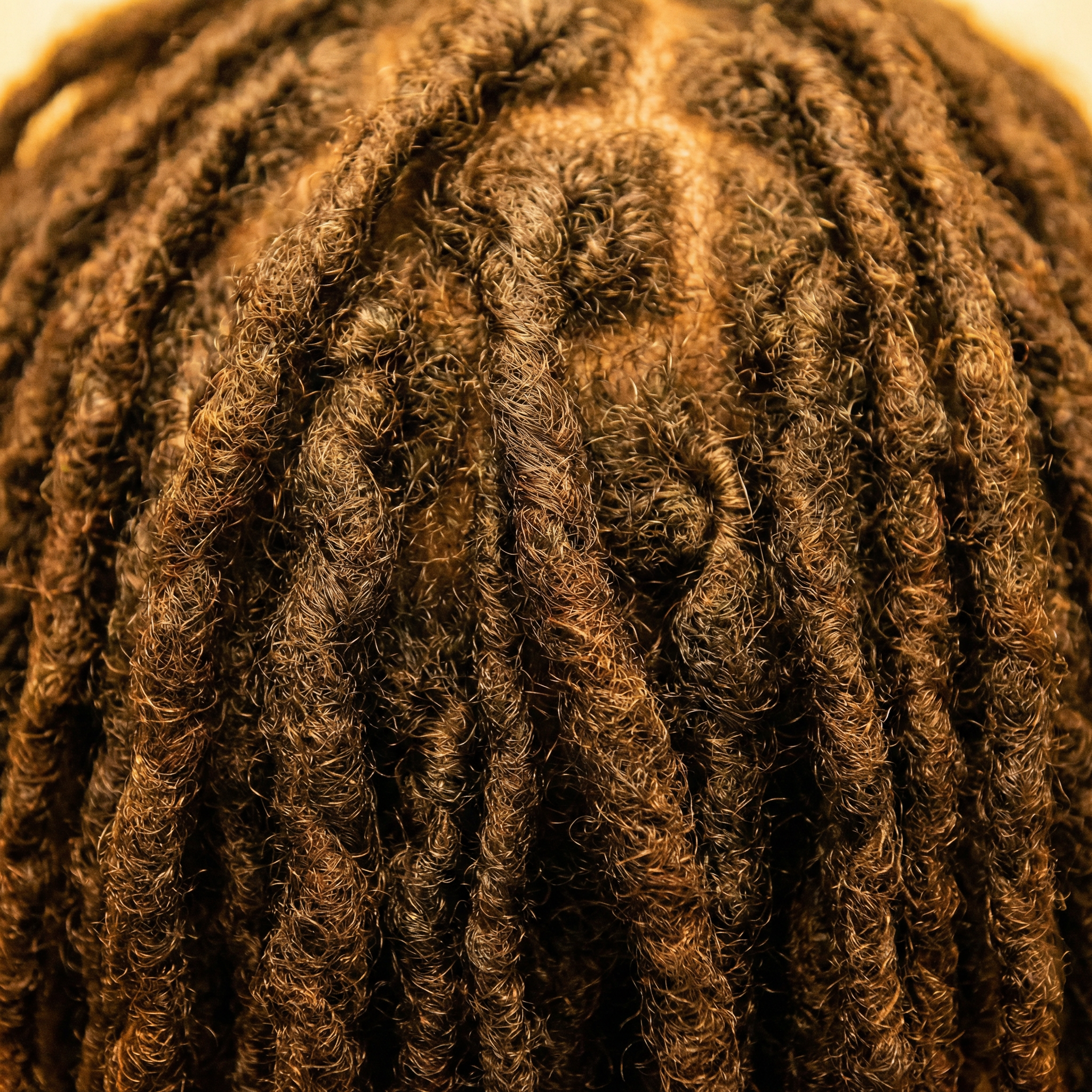
Time Made Visible
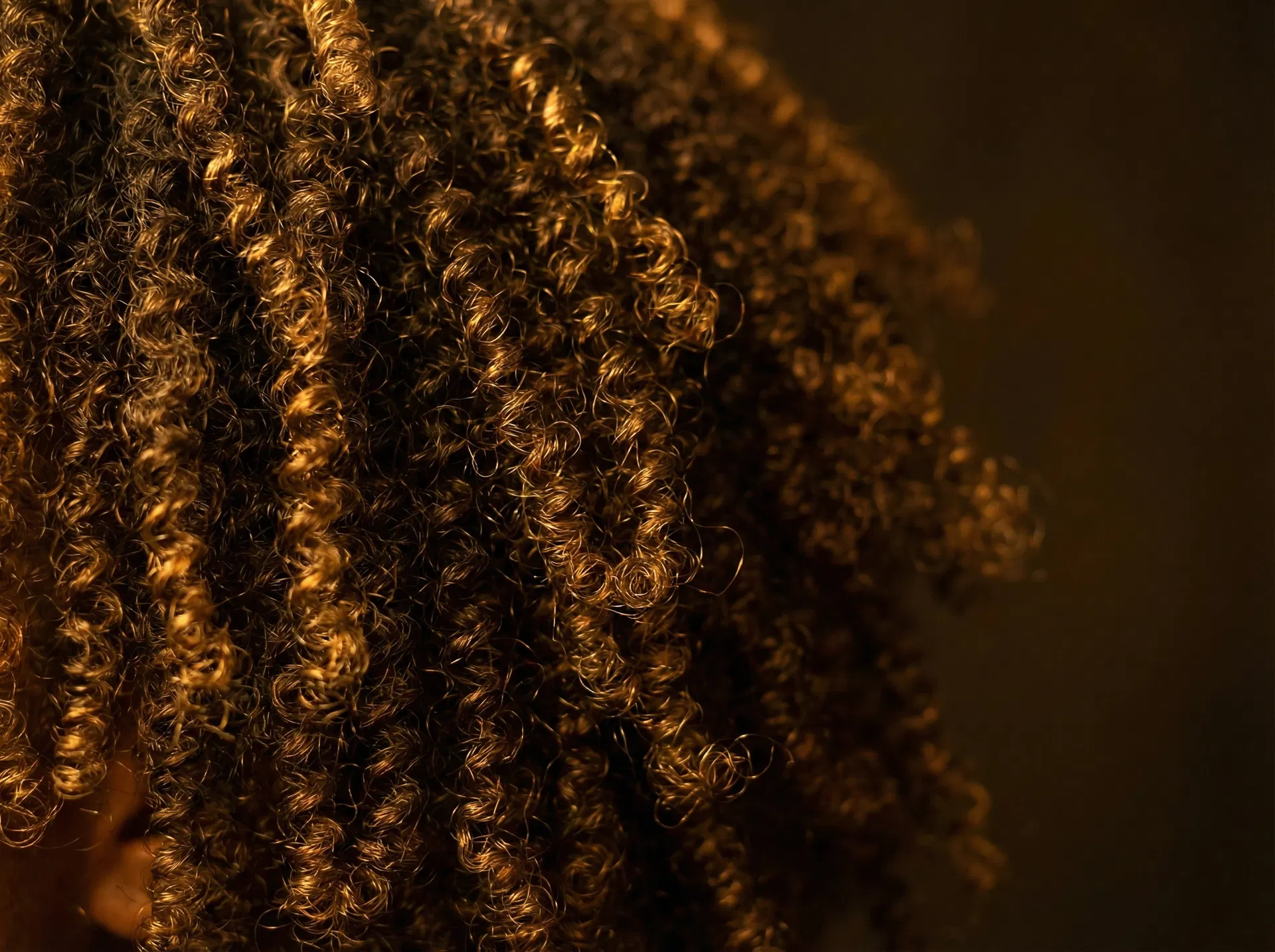
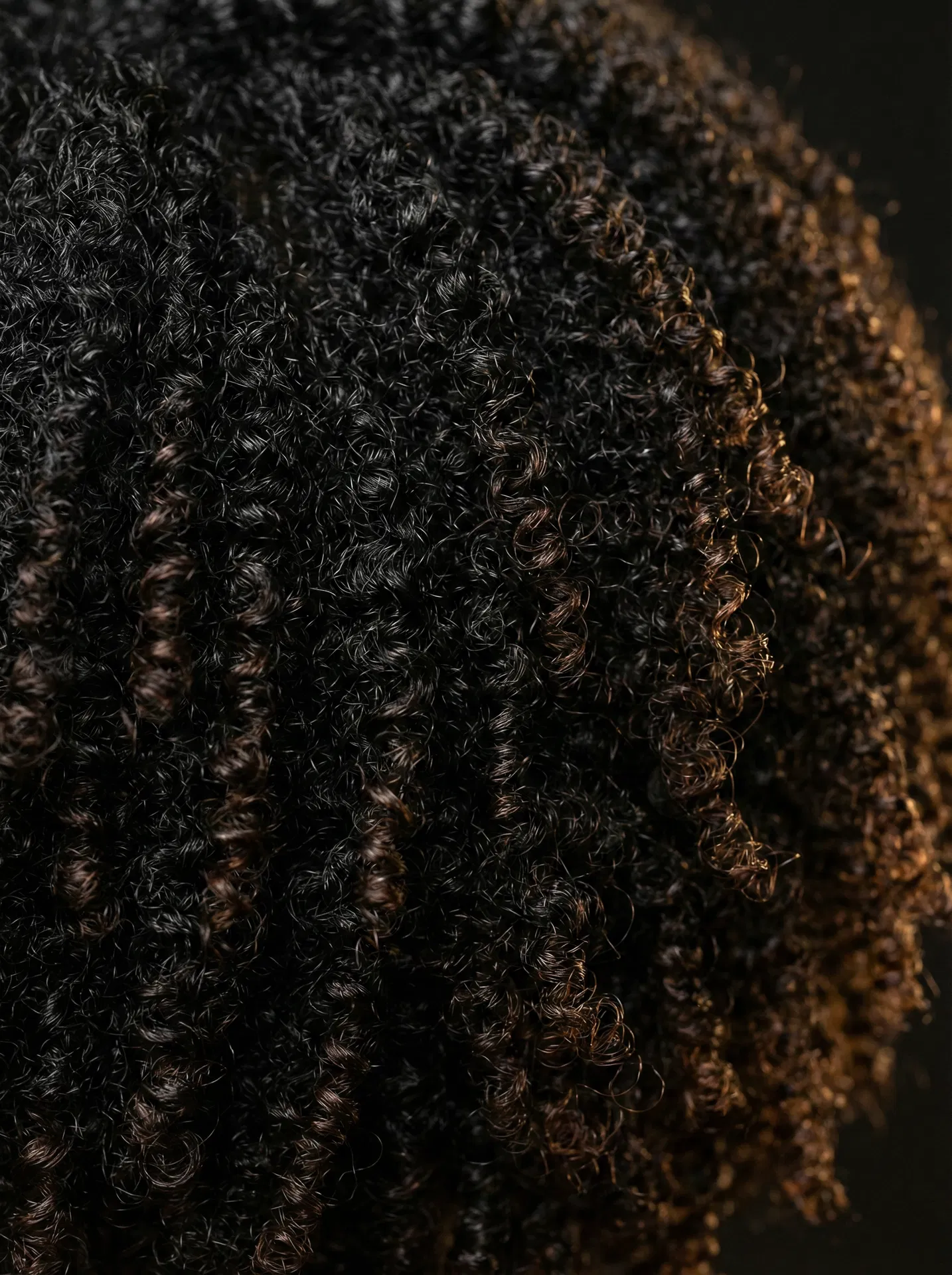
The Original Texture
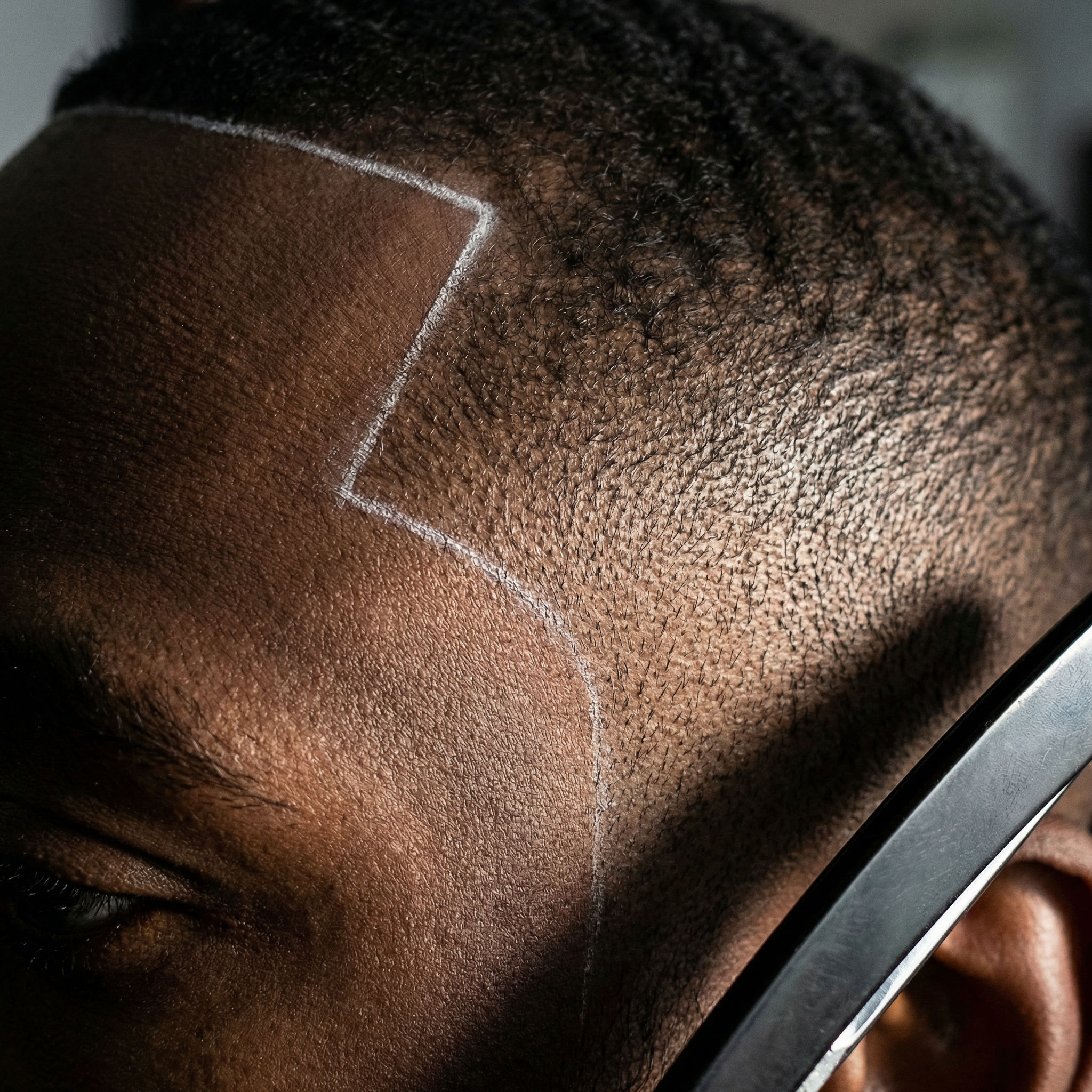
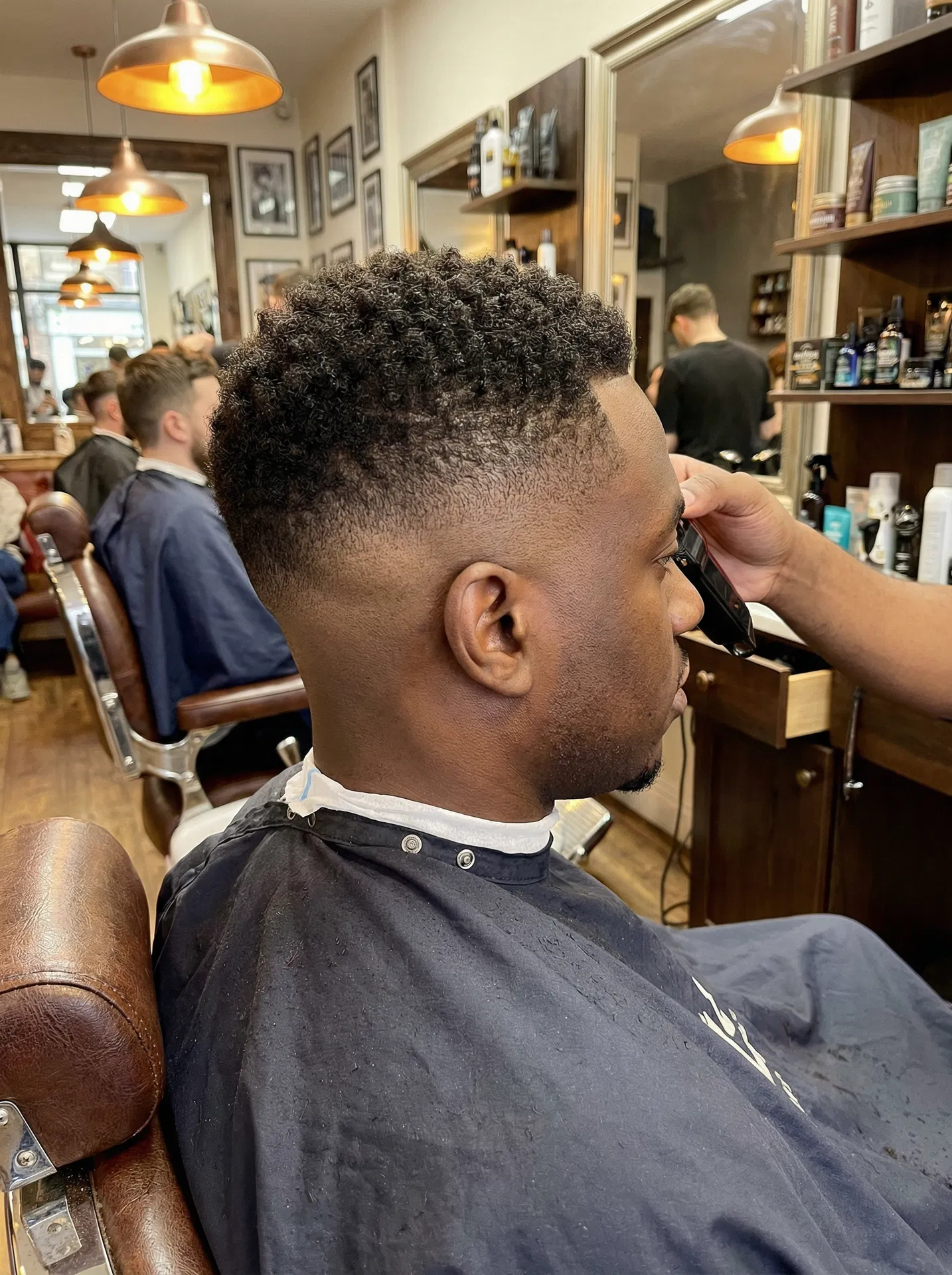
The Barber's Signature
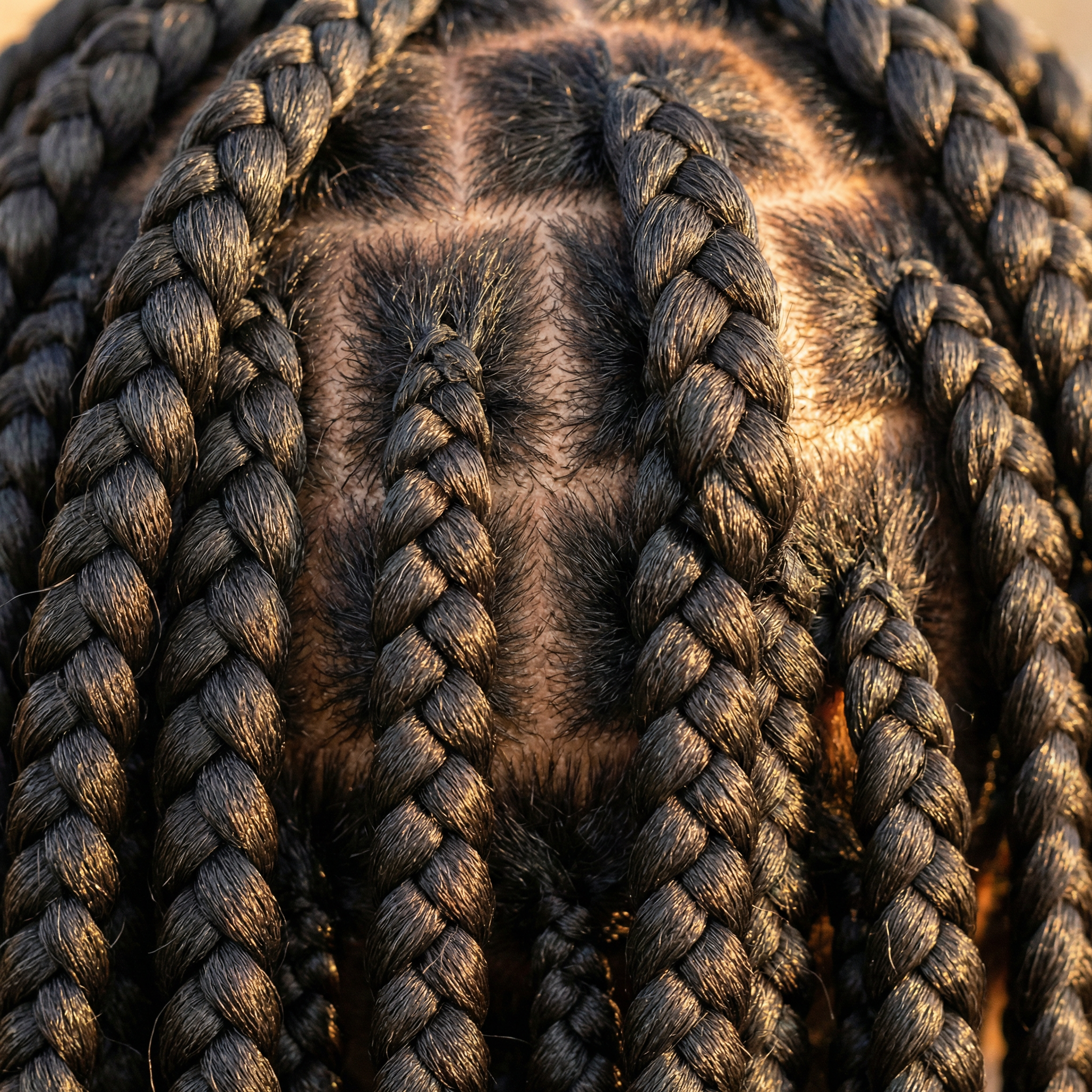
The Grid of Power
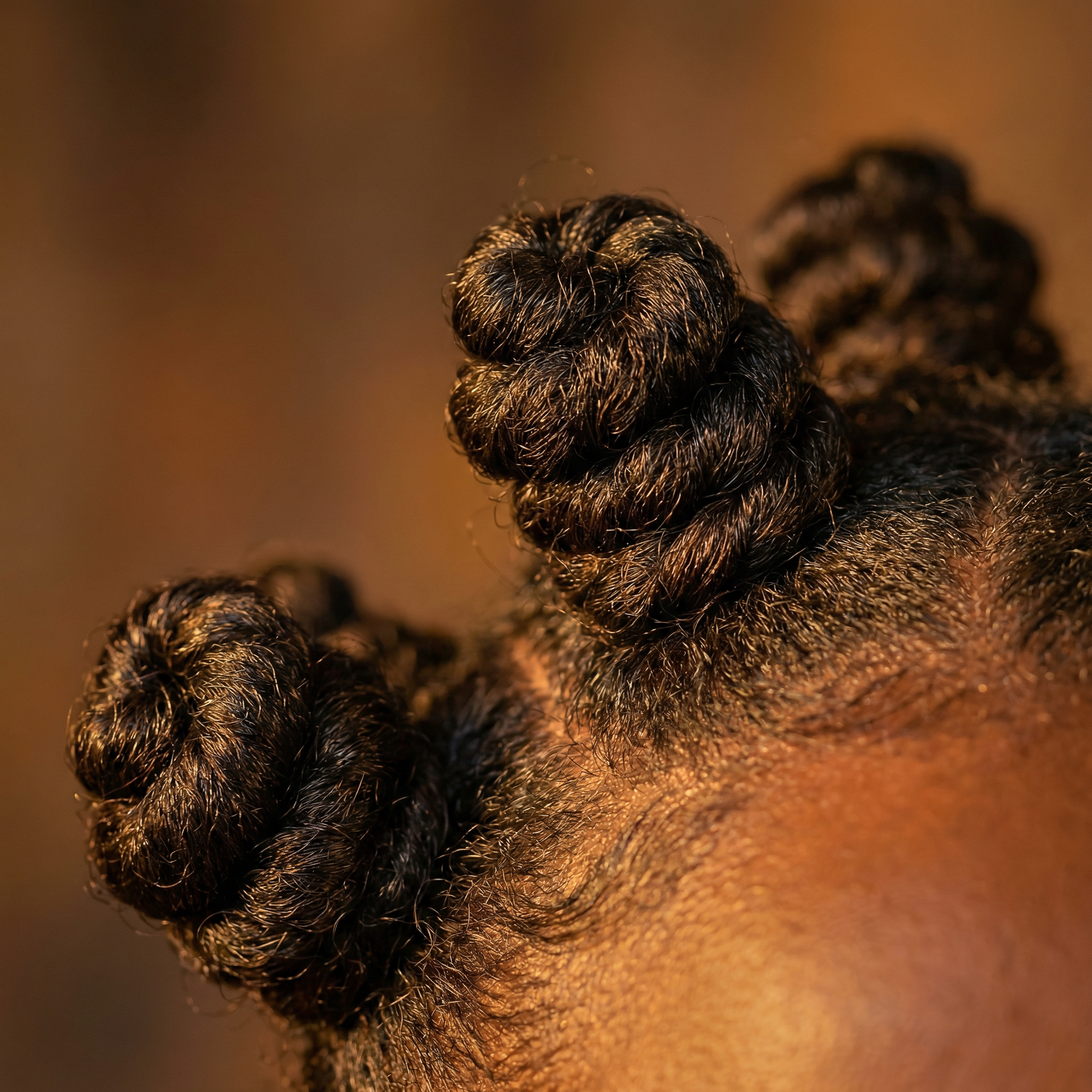
Coiled Crowns
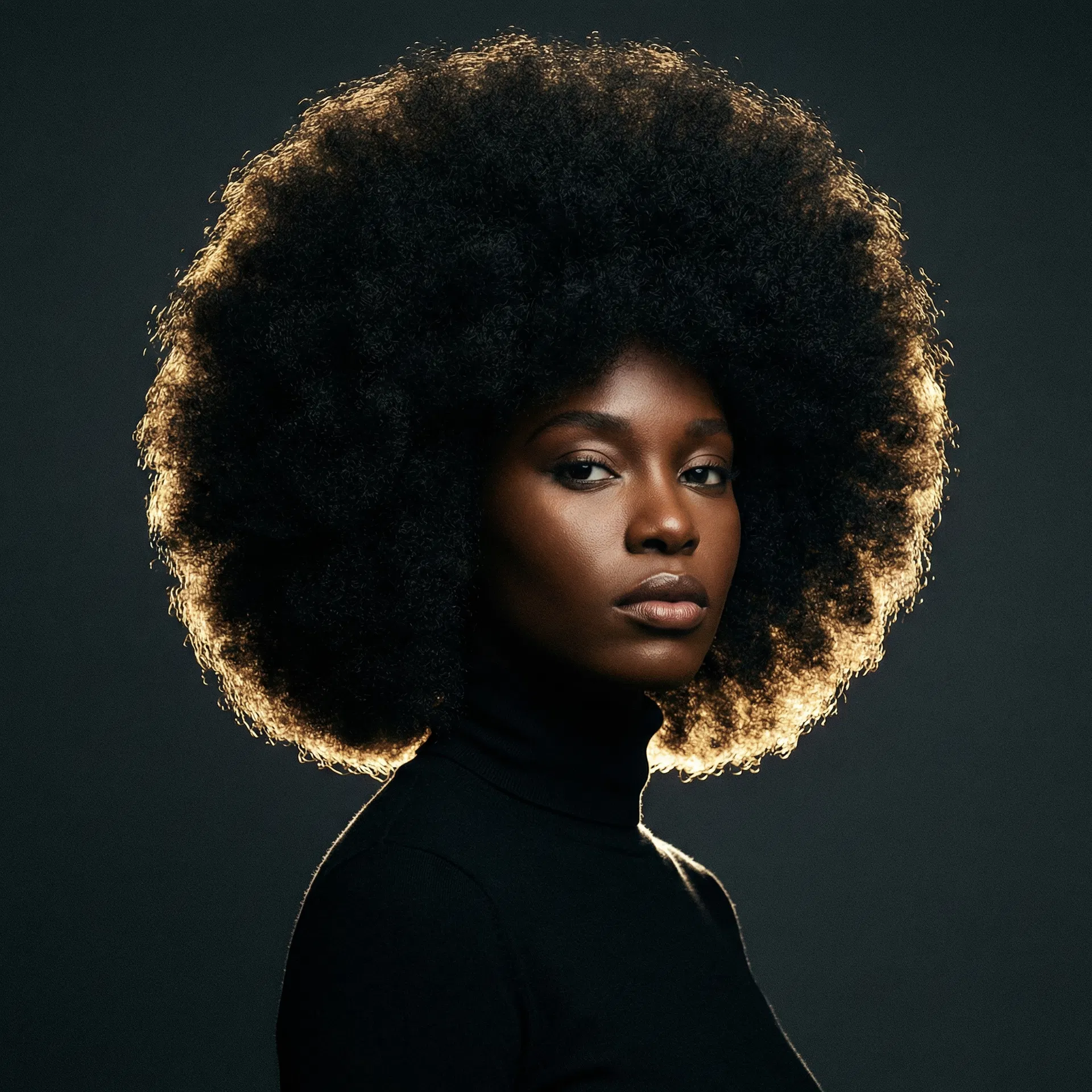
A Halo of Heritage
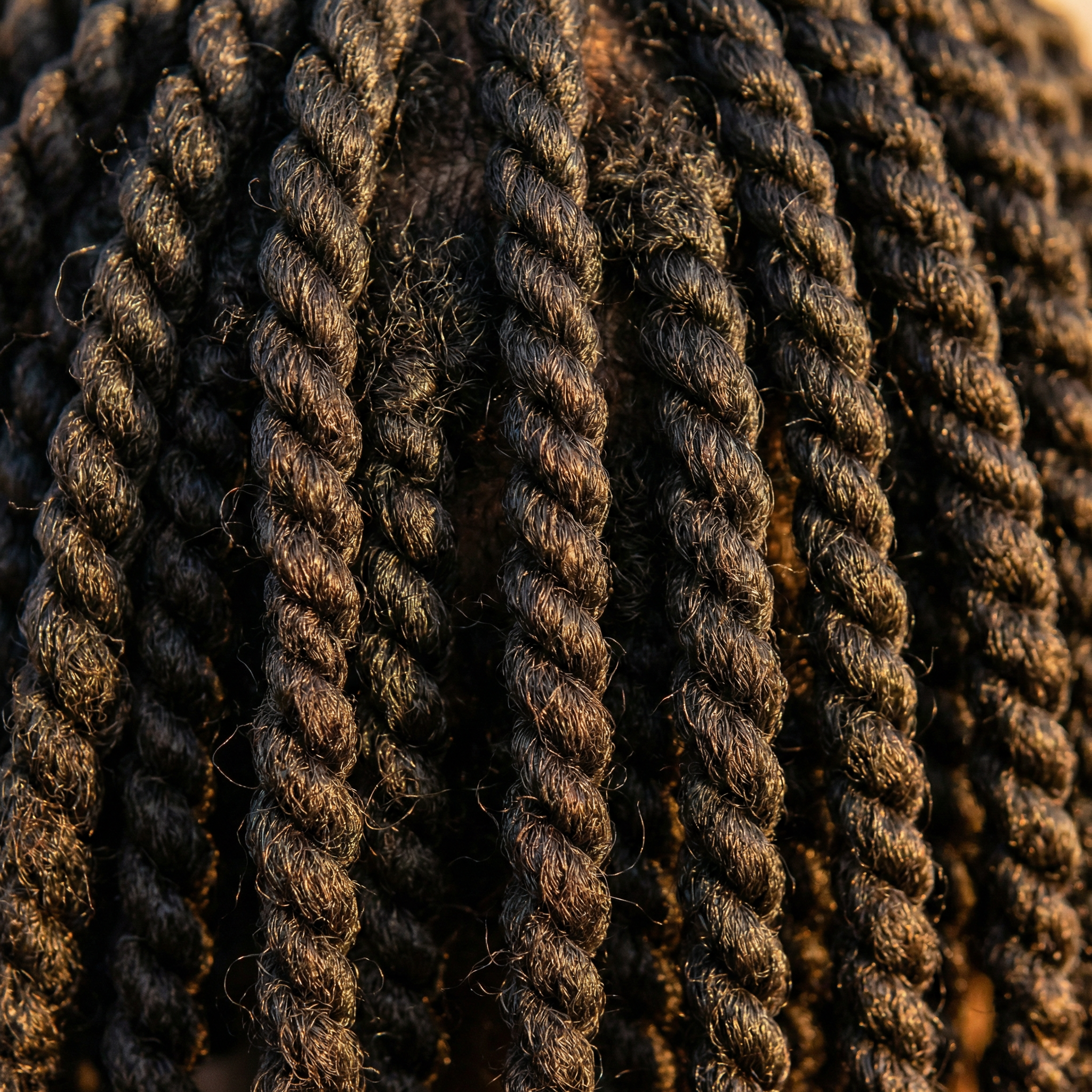
The Spiral of Self
"Every strand of Black hair is a thread in the tapestry of our history. Look closely — and you will see the whole story."
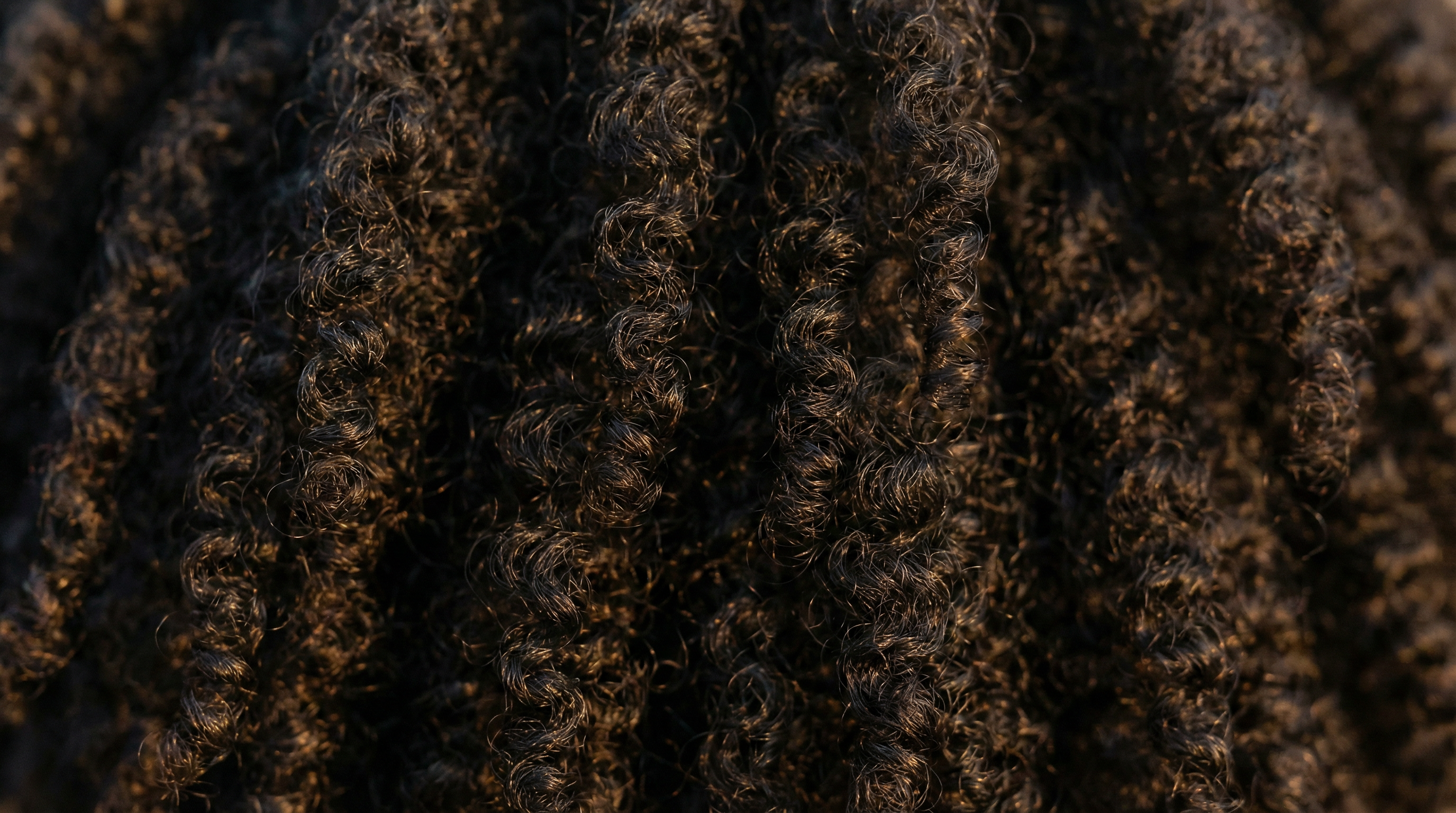
Understanding your hair's porosity and curl pattern is the foundation of every great hair care routine.
Porosity refers to your hair's ability to absorb and retain moisture. It is determined by the condition of the cuticle — the outermost layer of the hair shaft. Understanding your porosity is the single most important factor in choosing the right products and building an effective routine.

The Float Test
Drop a clean strand in water. Floats = low porosity. Sinks slowly = medium. Sinks fast = high.
Tightly sealed cuticles
Balanced moisture exchange
Open, thirsty cuticles
From loose spirals to tight coils — every pattern is beautiful, every pattern is valid. Click any type to explore its full care guide.
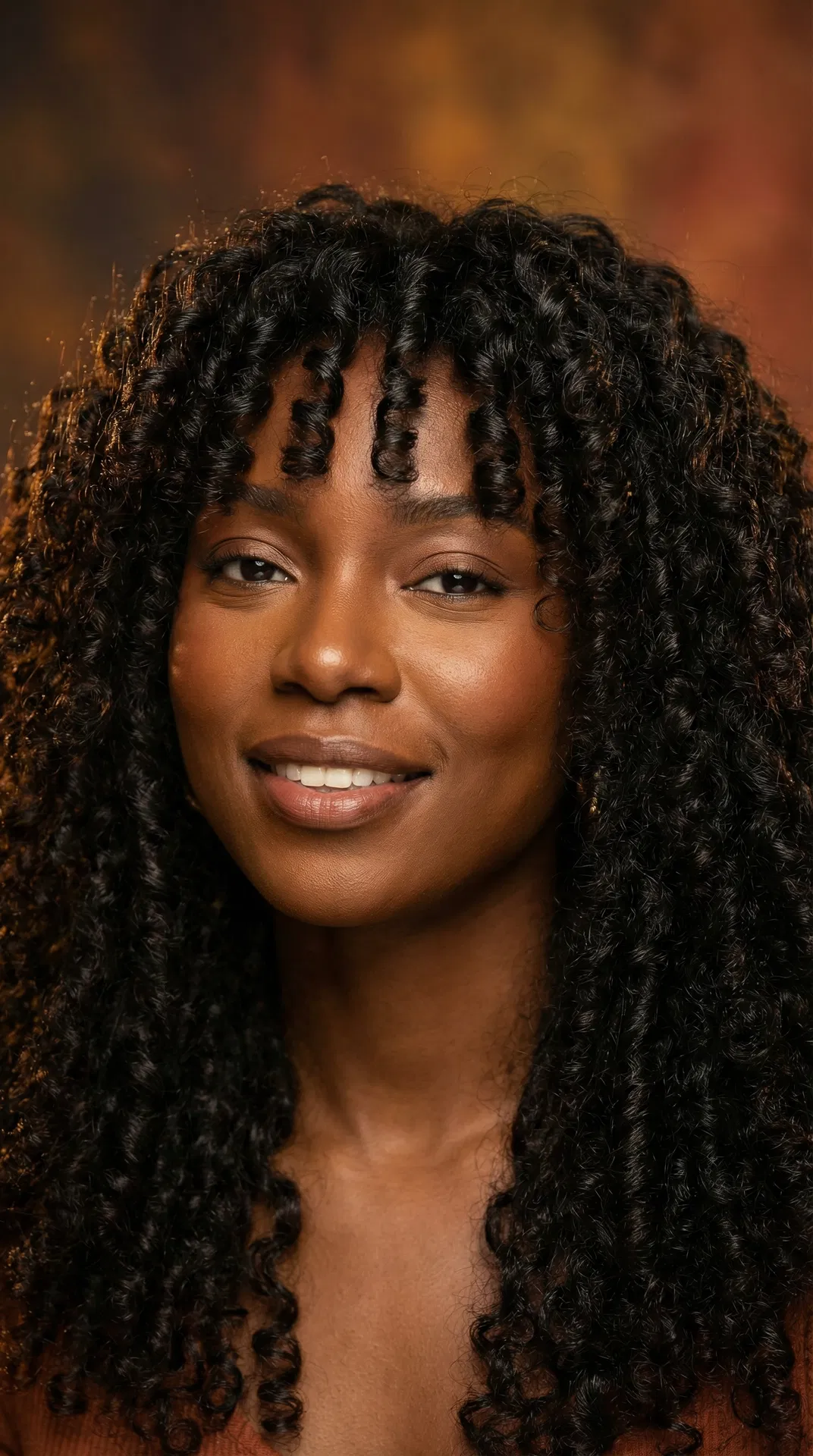
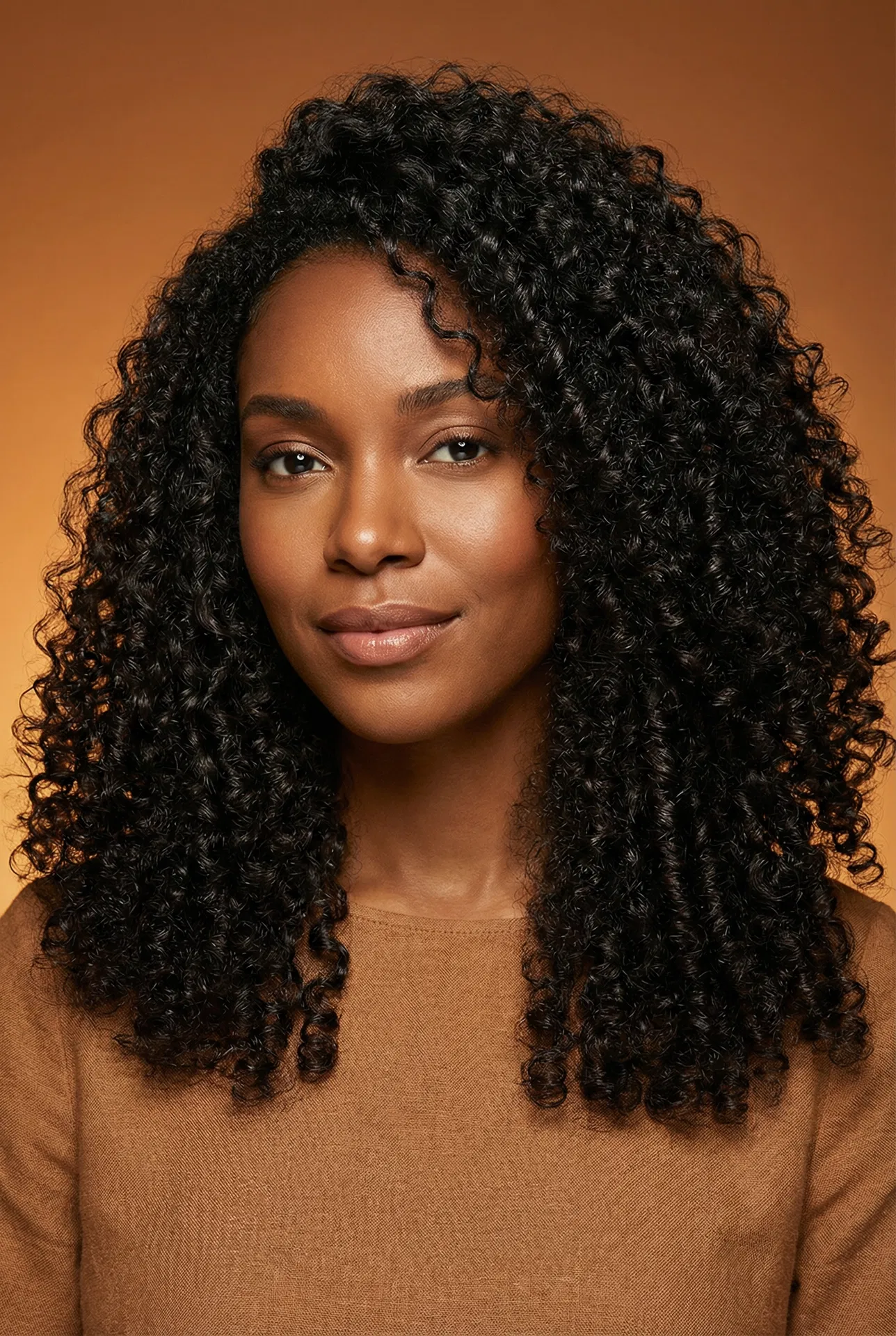
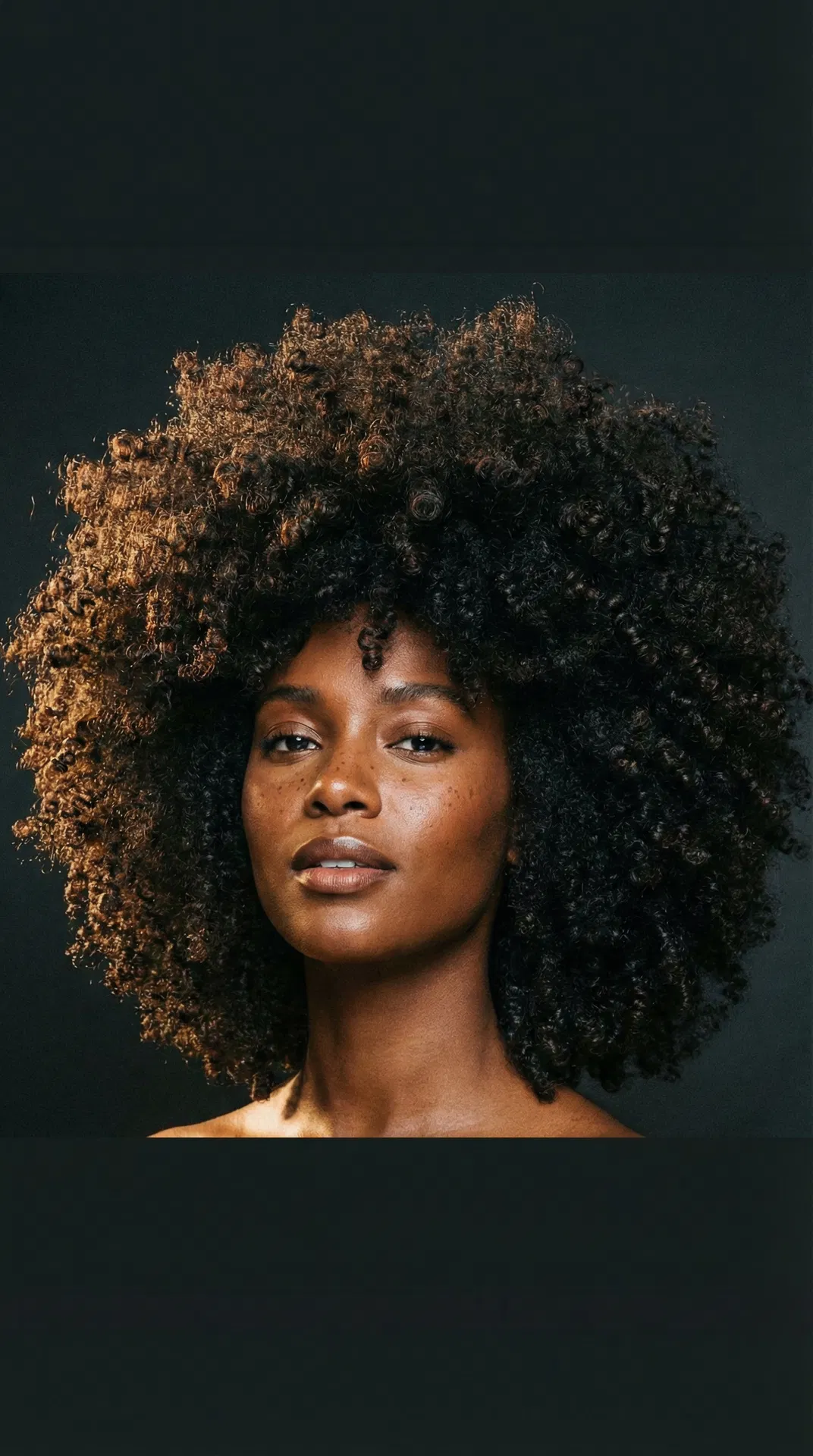
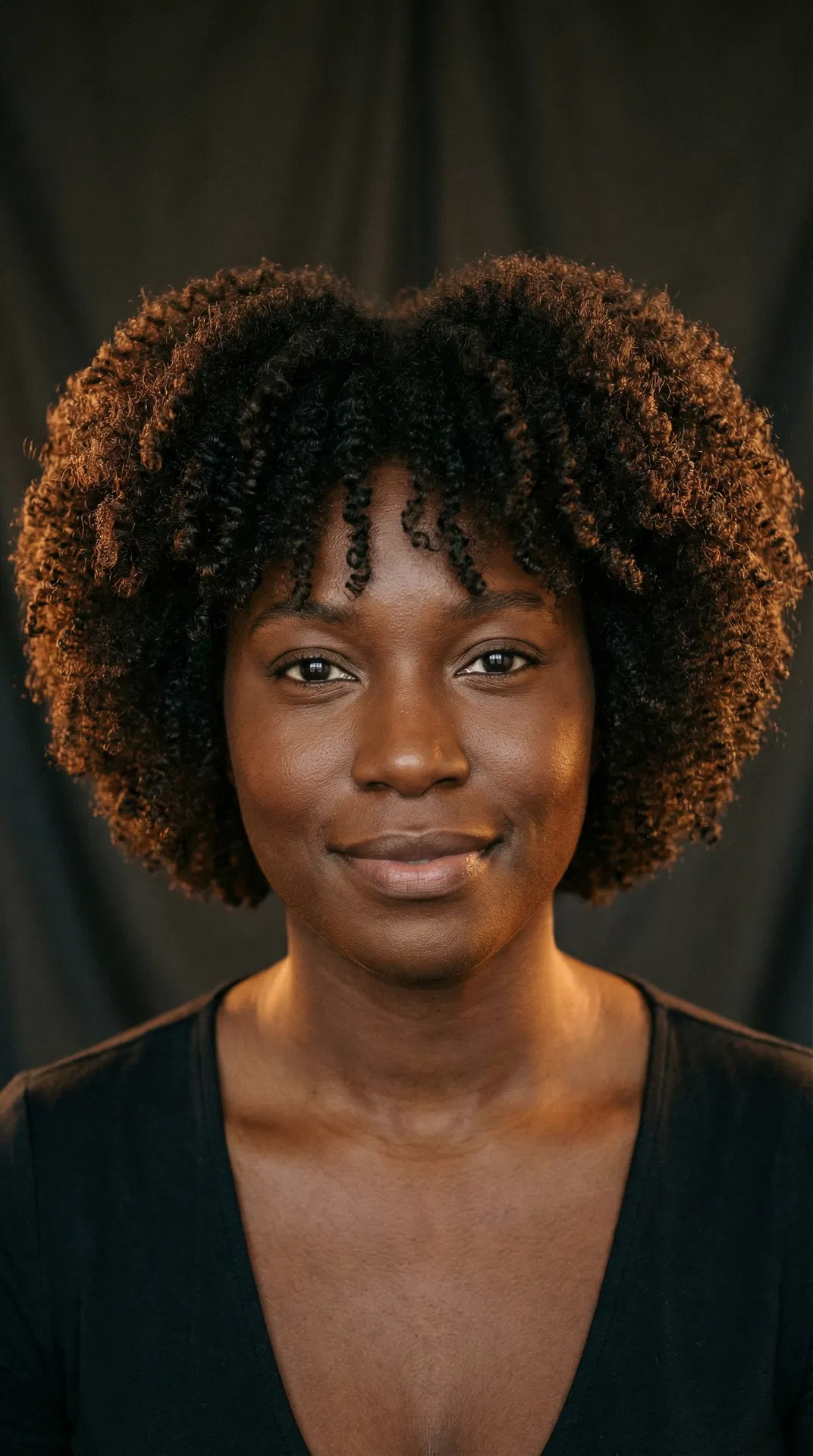
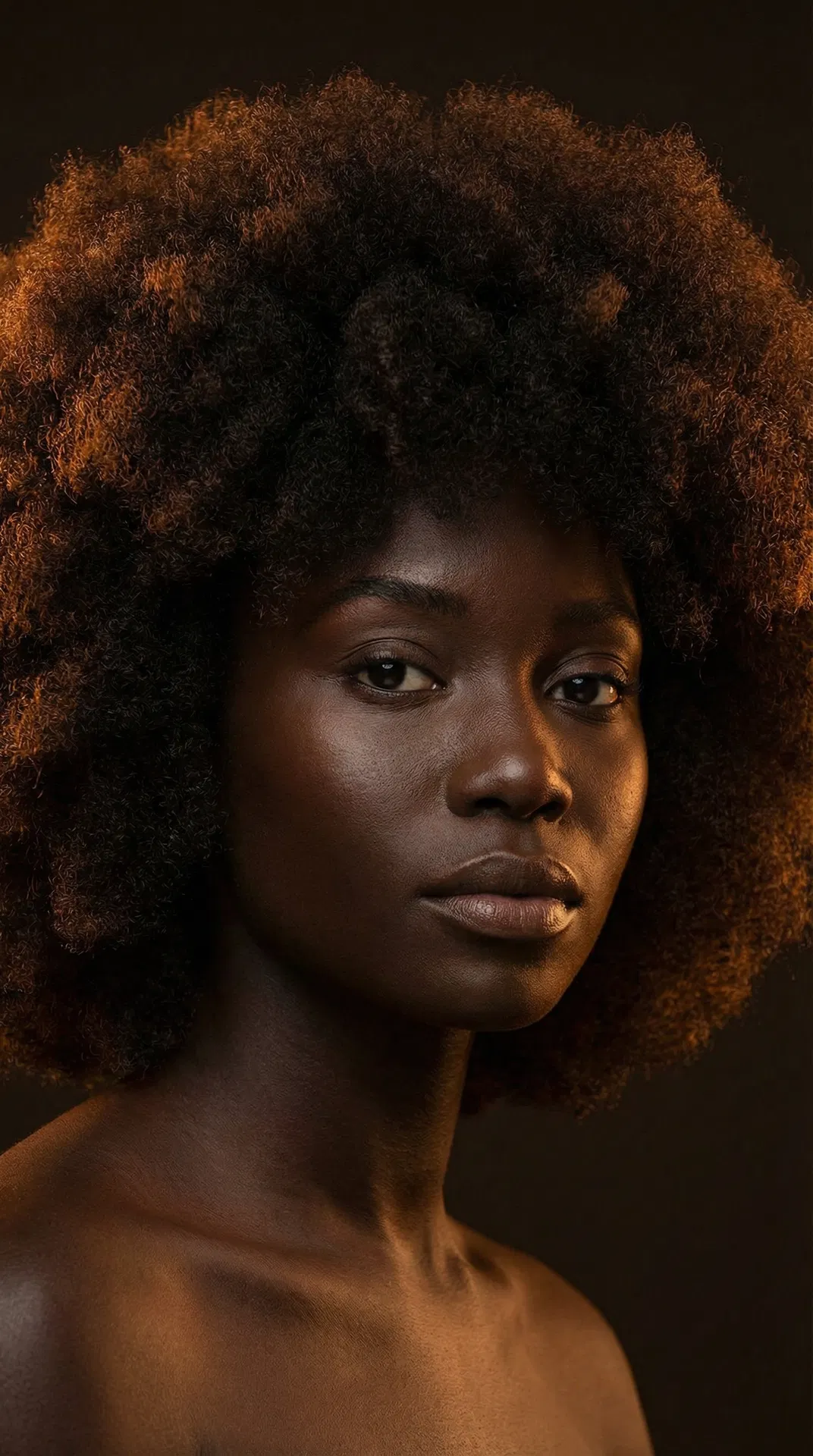
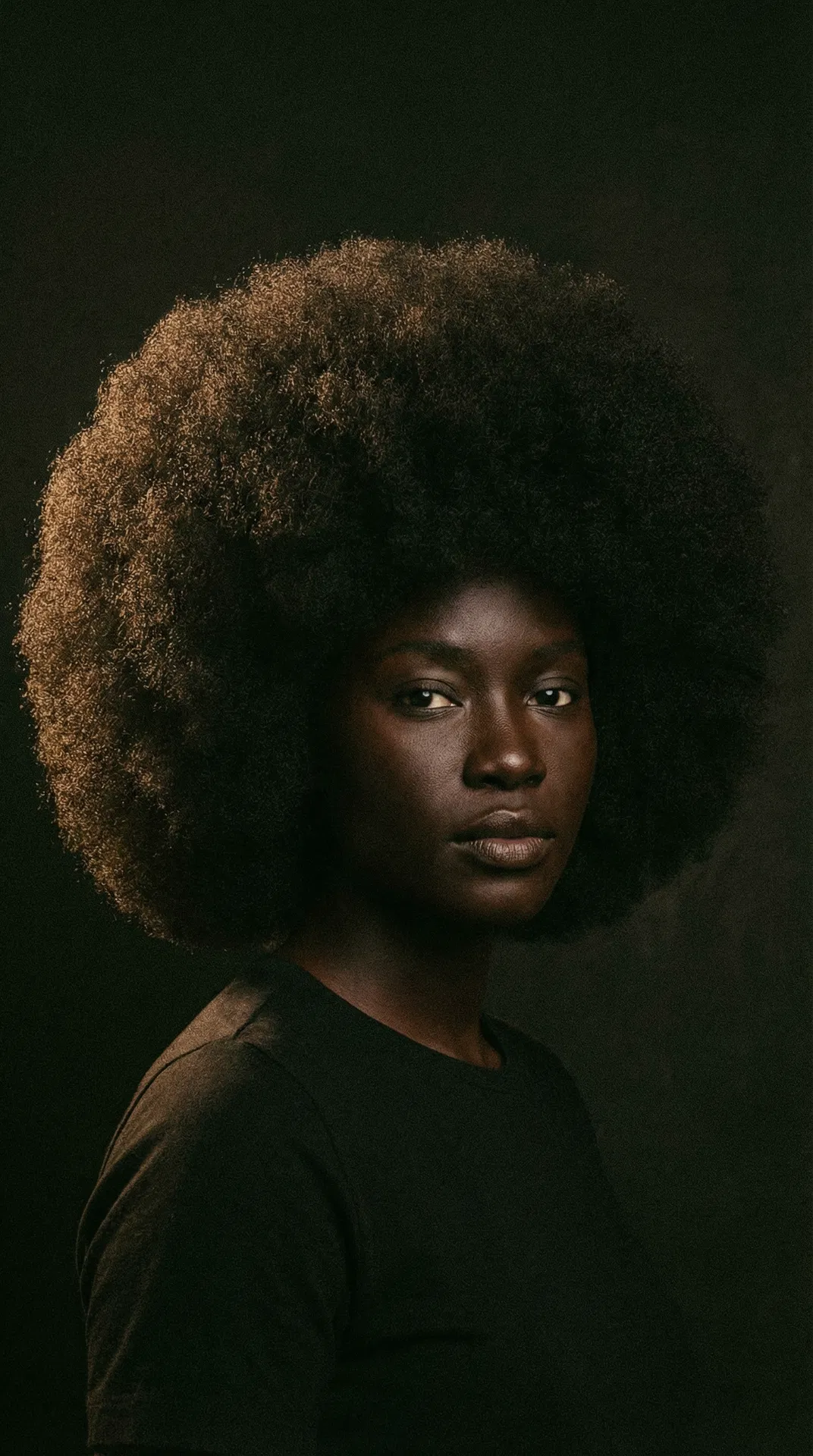
Black hair is naturally drier than other hair types due to the helical (spiral) shape of the follicle, which makes it harder for the scalp's natural oils to travel down the hair shaft. Moisture retention is not a luxury — it is the foundation of healthy, thriving natural hair.
"Moisture is the life force of natural hair. Without it, even the most beautiful coil cannot reach its full potential."
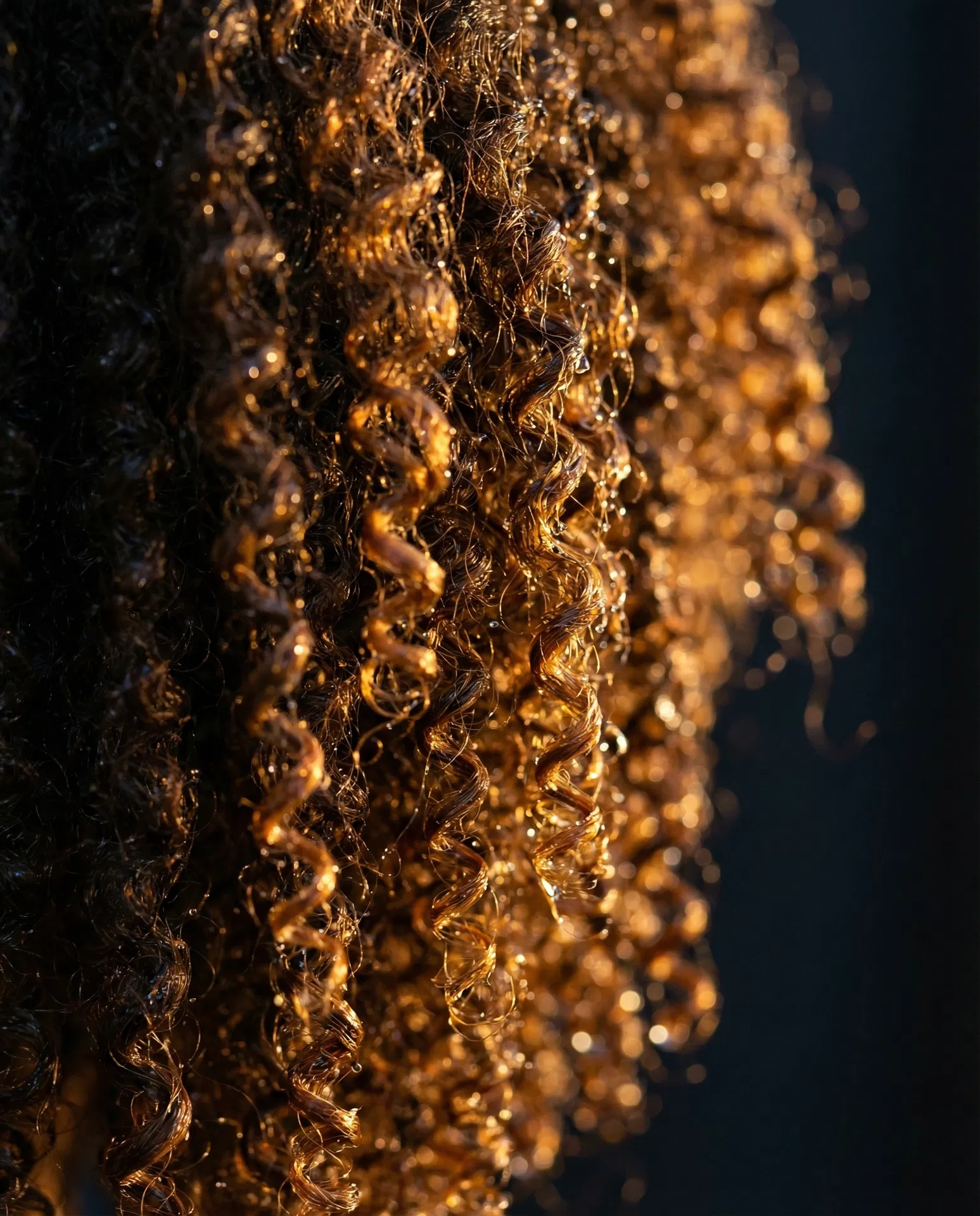
The LOC Method in Action
Always start with water or a water-based leave-in conditioner. Water is the only substance that actually moisturizes hair — everything else seals or conditions. Apply to damp hair for best absorption.
Apply oil second to slow the evaporation of water from the hair shaft. Penetrating oils (coconut, olive, avocado) absorb into the cortex. Sealing oils (castor, jojoba, grapeseed) coat the cuticle to lock moisture in.
A butter or cream applied last creates a protective barrier that holds the moisture and oil in place. This is especially important for 4B and 4C hair types that lose moisture most rapidly.
The Living Archive
Like the rings of a tree, each twist holds time. Each loc is a chapter. The longer the journey, the deeper the story written into every strand.
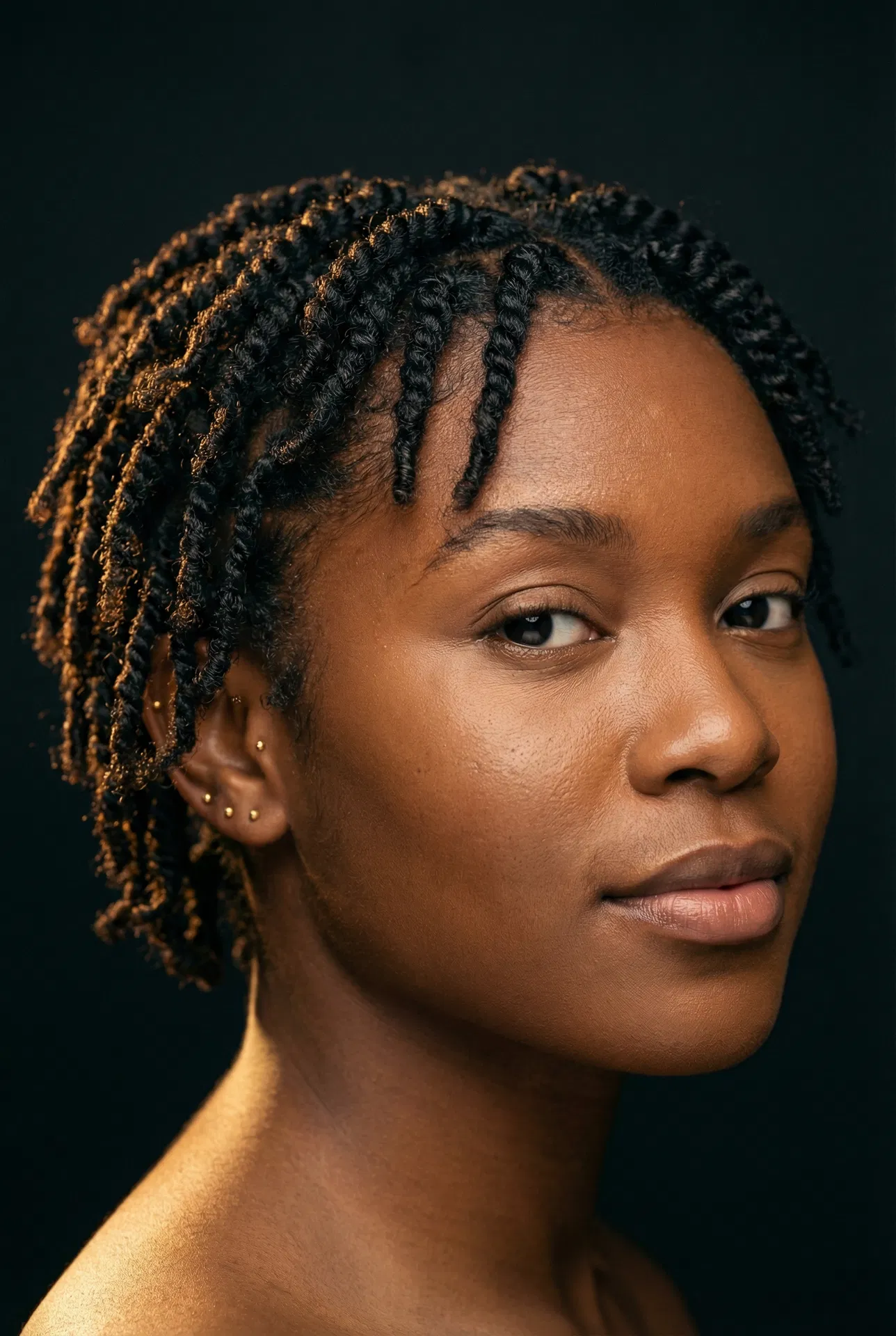
Stage 1
Week 1 – Month 2
Stage 1 of 5
"The First Twist. The First Promise."
Every loc begins as a single, deliberate twist — a covenant between you and your hair. The starter stage is an act of intention. Each coil is freshly formed, close to the scalp, uniform and tight. You are planting seeds.
Two-strand twists, coils, or interlocking methods begin the journey
Hair is typically 1–3 inches at installation
The scalp is most visible at this stage — a clean, fresh beginning
Patience is the first lesson locs will teach you
Avoid manipulation; let the hair begin its natural locking process
"A tree does not apologize for its rings. Neither should you."
Crown & Glory
More Than Hair
"In the Black community, getting your hair done has never been just about hair. It is about belonging. It is about being seen. It is about coming home."
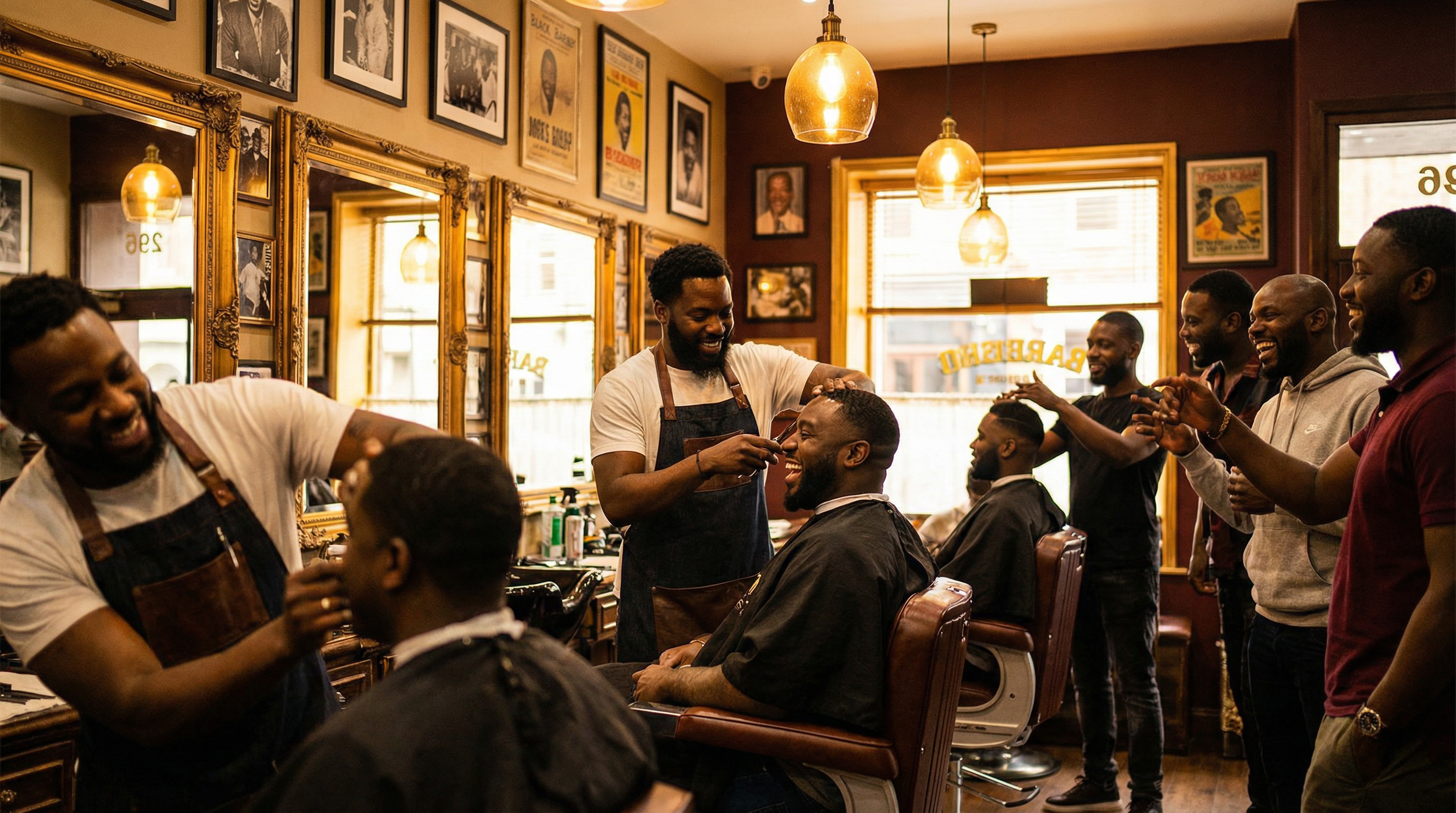
Where men become men
The Black barbershop is far more than a place to get a cut. It is a sanctuary — a space where men can be fully themselves without performance or pretense. It is where boys learn what it means to be a man, where elders pass down wisdom, where politics are debated, where grief is held, where joy erupts.
From Harlem to Lagos, from Atlanta to London, the barbershop has always been a cornerstone of Black male community. The barber is often the most trusted figure in the neighborhood — part stylist, part therapist, part griot. The chair is a confessional. The mirror reflects not just your face, but your best self.
The barbershop is the one place where a Black man can walk in as himself and walk out feeling like a king.
"Hair is the first thing. And teeth the second. Hair and teeth. A man got those two things he's got it all."
— James Brown
Behind every crown is a craftsperson — a braider, a loctician, a stylist who knows that hair is not just hair. It is heritage.
Monthly Spotlight
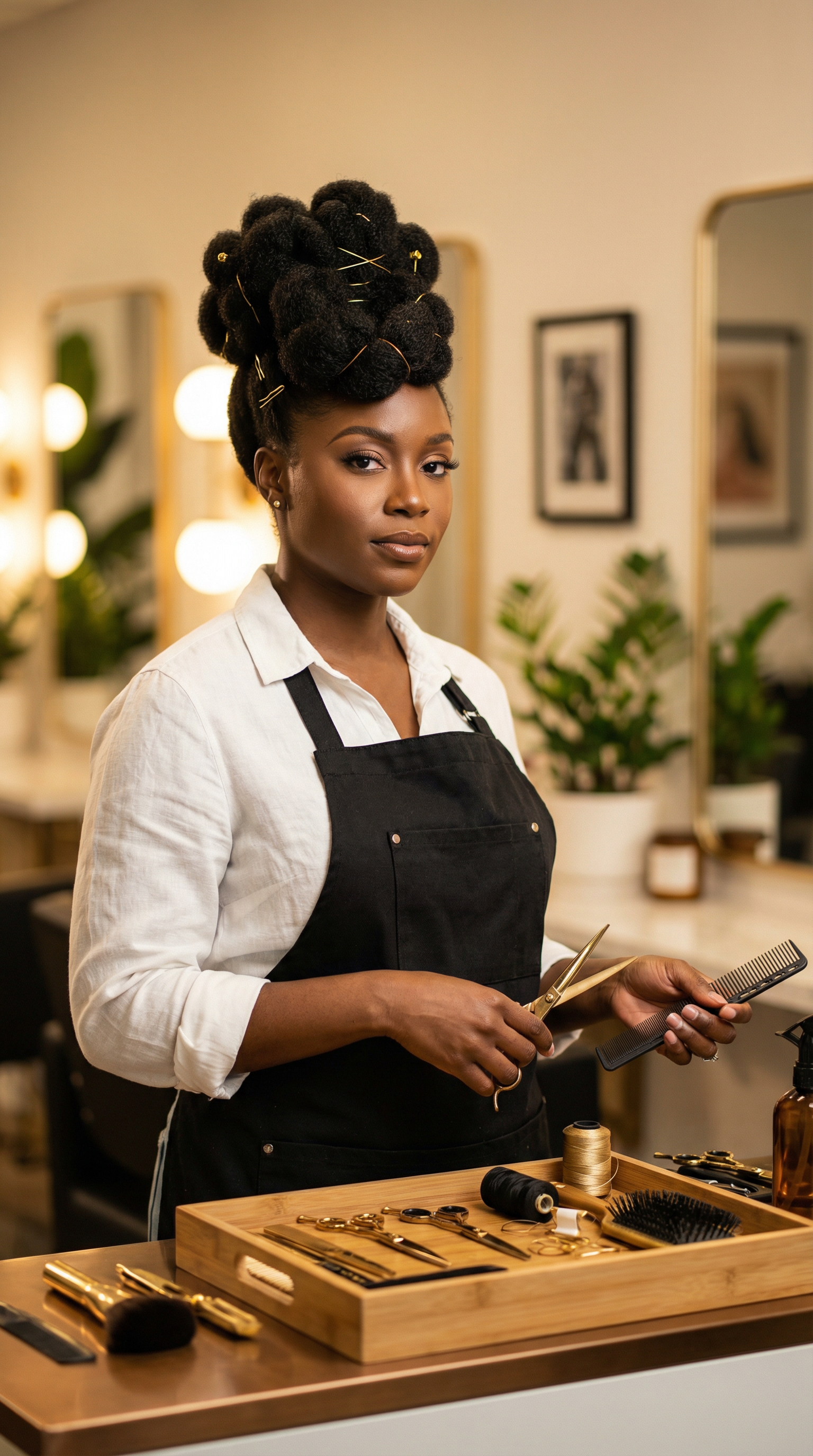
Master Braider & Loc Artisan
Recognition
About
Zora Mensah has spent over 15 years mastering the ancient art of African braiding, transforming it into a contemporary practice that honors its roots while pushing creative boundaries. Trained under her grandmother in Accra before moving to Atlanta, Zora brings a deep reverence for West African hair traditions to every client she serves.
"Hair is memory. Every braid I place carries the knowledge of women who came before me — their hands, their patience, their love. I don't just style hair. I continue a lineage."
— Zora Mensah
Specialties
Portfolio
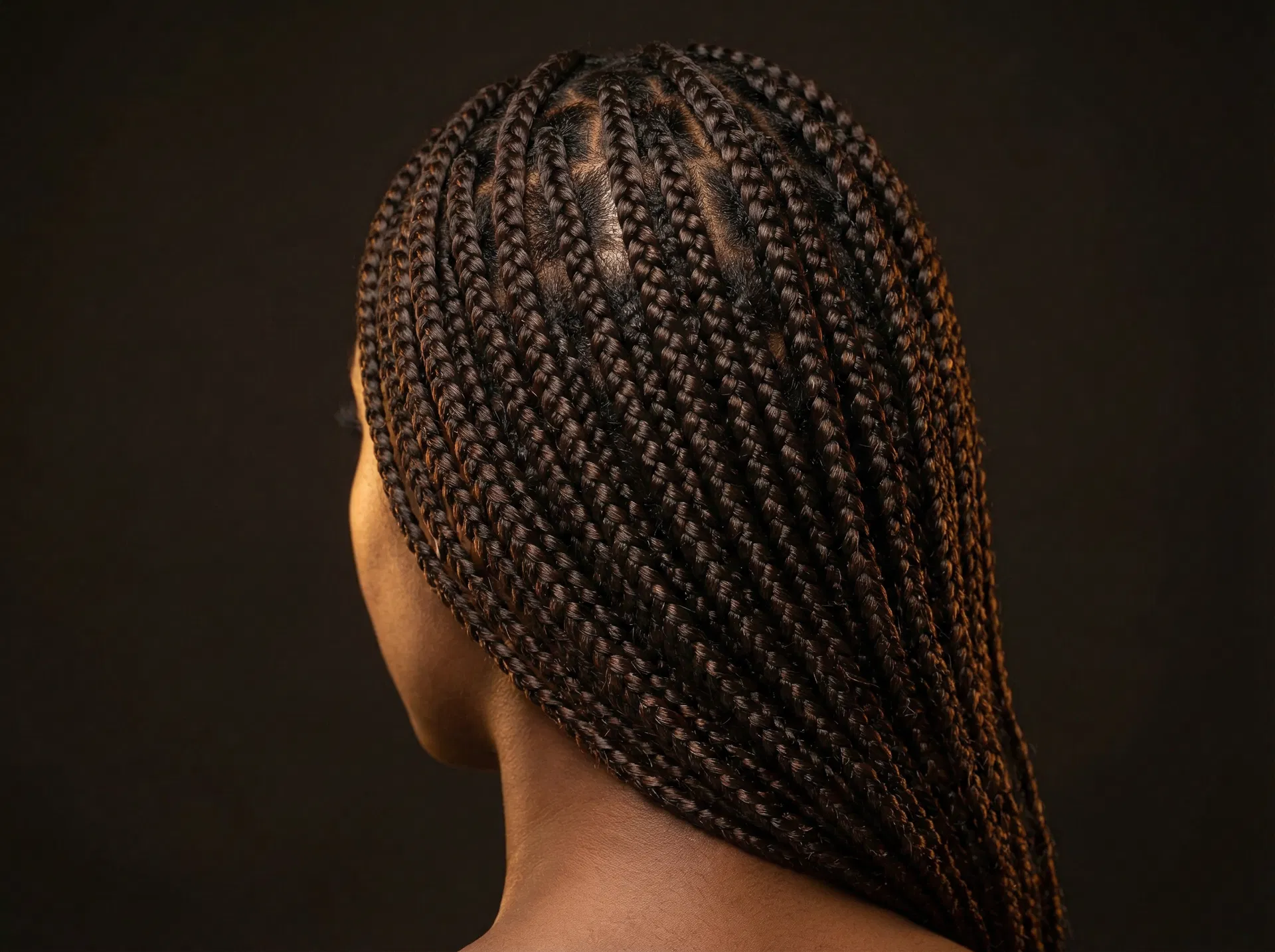
Knotless Box Braids
Seamless root technique, 28-inch length
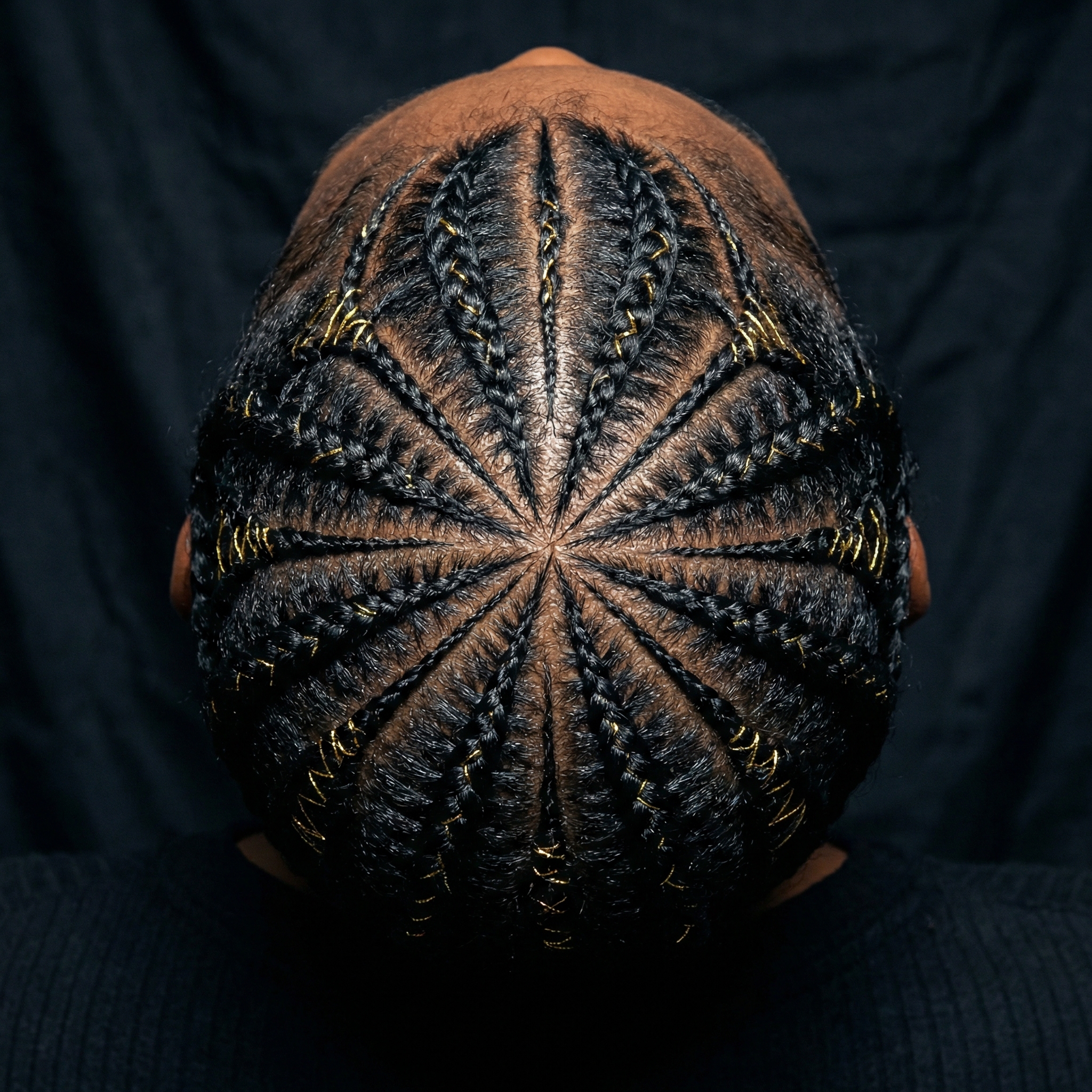
Geometric Cornrows
Starburst crown pattern with gold thread
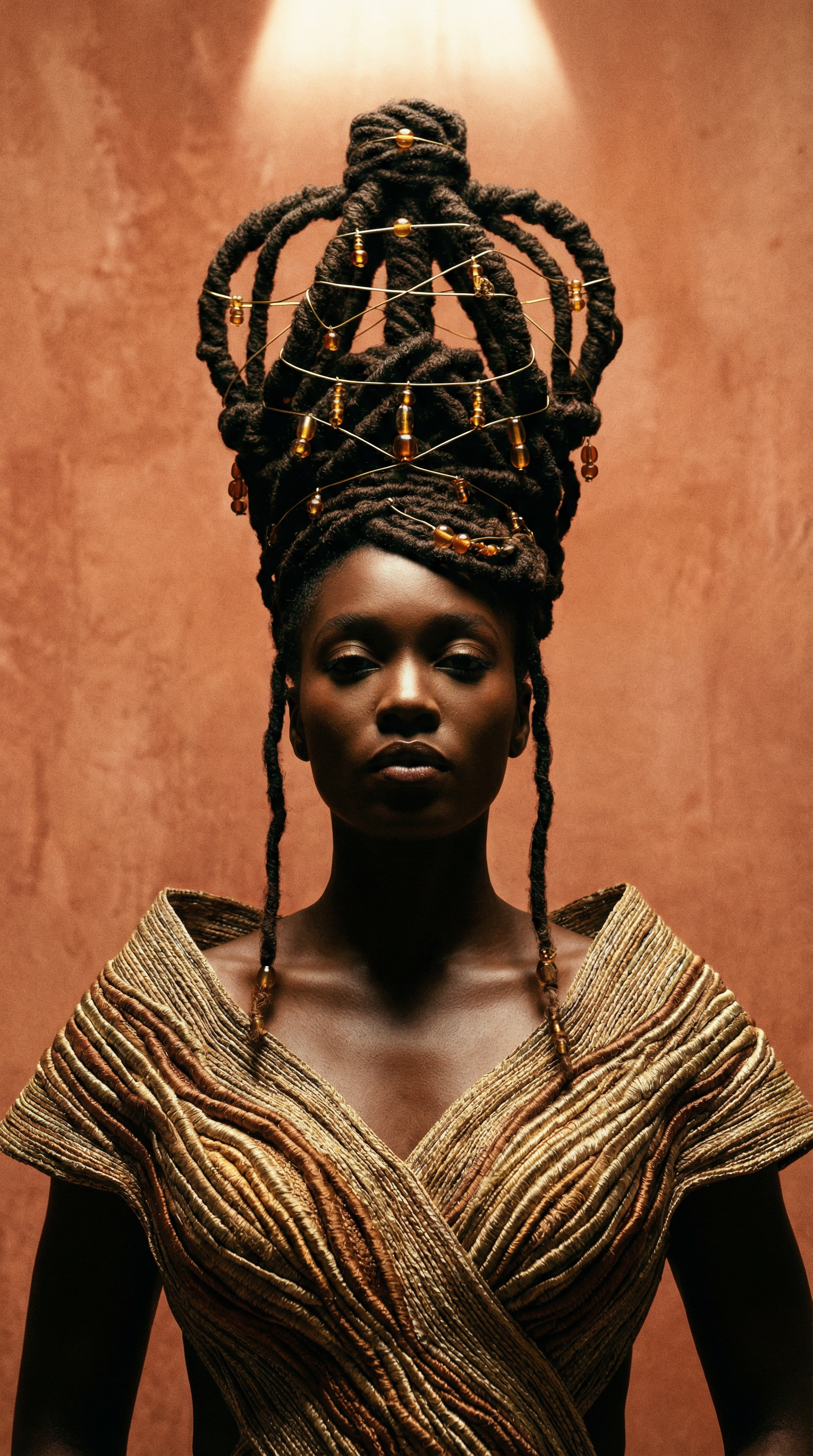
Sculptural Loc Updo
Ceremonial crown for a bridal client
Know a stylist who deserves the spotlight?
The Art of Black Hair is a living gallery. If you create paintings, photography, illustration, or any art that honours Black hair culture, this is your platform — your work displayed as the editorial art it is.
Featured and Master tier artists who upload a portfolio or provide professional credentials receive a ✅ Verified badge on their profile. Visitors actively filter for verified artists — it drives real engagement.
Ready to share your art with the world?
Already listed? Find yourself on the map →
— For Artists —
Join the directory that celebrates Black hair professionals as the artists they are. Get discovered by clients who are specifically looking for your expertise.
The Art of Black Hair is visited by people actively seeking Black hair professionals.
Add your professional license number or portfolio photos to unlock a Verified badge — clients filter for it.
Your listing is displayed as editorial art — not a plain directory entry.
Direct contact info, Instagram links, and profile photos drive real bookings.
Every listing fee funds the platform that celebrates Black hair culture.
Already listed? Find yourself on the map
Celebrating the artists who shape, protect, and honour Black hair across the Diaspora.
Join the Crown Directory and get discovered by thousands of readers every month.
A curated directory of Black-owned salons, barbershops, and braiding studios across the diaspora — from Brooklyn to Brixton, Accra to Atlanta.
0 stylists found
Get your own verified listing in the directory. Reach thousands of readers actively searching for Black hair professionals. Starting from $15/month.
List Your SalonHelp us build the most comprehensive directory of Black hair professionals across the diaspora. Nominate a barber, braider, loc specialist, or natural hair stylist from anywhere in the world.
Creating a Respectful and Open World for Natural Hair
The CROWN Act (Creating a Respectful and Open World for Natural Hair) is legislation that prohibits race-based hair discrimination — the denial of employment and educational opportunities because of hair texture or protective hairstyles including braids, locs, twists, and knots.
The act was first introduced in California in 2019 by Senator Holly Mitchell and has since spread across the United States, recognizing that hair discrimination is a form of racial discrimination.
Black women have been sent home from work because of their hair
Black women are more likely to experience hair discrimination than other women
Black women feel pressure to change their hair to fit into workplace norms
States have passed the CROWN Act as of 2023
The CROWN Act acknowledges that Black hairstyles hold equal value within American society — and that no one should have to choose between their cultural identity and their livelihood.
The fight continues at the federal level. Learn more at thecrownact.com
Knowledge & Care
Understanding your hair type is the foundation of every great hair journey. This guide covers the complete Andre Walker typing system, porosity testing, and care routines — with a deep focus on 4C hair.
Type 4C is the most tightly coiled hair texture — the coils are so small they may not be visible to the naked eye. It is the most common hair type among people of West and Central African descent. 4C hair is extraordinarily resilient, versatile, and capable of holding styles that no other hair type can. It is not fragile — it is powerful. The key is understanding its unique needs.
Porosity
Usually high porosity — needs consistent sealing to retain moisture
Shrinkage
65–75% shrinkage when dry — your hair may be 12 inches long and appear 3 inches
Characteristics
Best Styles
"4C hair is not difficult. It is not a problem to be solved. It is the most ancient, most resilient, most royal hair on earth. Learn its language."
— Dr. Ama Owusu, Natural Hair Educator
Pre-Poo (Non-Negotiable)
Every wash dayShampoo in Sections
Weekly or biweeklyFinger Detangle First
Every wash dayDeep Condition with Heat
WeeklyProtein Treatment Monthly
MonthlyLOC Method on Soaking Wet Hair
Every wash dayStretch to Prevent Knots
Every wash dayProtect Every Night
Every nightWhat to Avoid
Disclosure: Some links below are affiliate links. If you purchase through them, we may earn a small commission at no extra cost to you. We only recommend products we genuinely believe in for Black hair health.
Clarifying Shampoo
Kinky-Curly Come Clean, Giovanni Tea Tree Triple Treat
Monthly clarifying removes buildup that blocks moisture from penetrating
Shop on AmazonMoisturizing Shampoo
SheaMoisture Manuka Honey & Mafura Oil, Mielle Pomegranate & Honey
Gentle weekly cleansing that preserves natural oils
Shop on AmazonDeep Conditioner
Mielle Babassu & Mint Deep Conditioner, Briogeo Don't Despair Repair
Penetrating moisture is the foundation of 4C hair health
Shop on AmazonProtein Treatment
Aphogee Two-Step Protein, ORS Hair Mayonnaise, Joico K-PAK
Rebuilds the hair shaft and prevents breakage
Shop on AmazonLeave-In Conditioner
As I Am Leave-In Conditioner, Kinky-Curly Knot Today
The moisture base layer — never skip this step
Shop on AmazonOil (Sealant)
Jamaican Black Castor Oil, Castor oil, Olive oil
Seals moisture into high-porosity strands; JBCO also promotes growth
Shop on AmazonButter/Cream
Shea Moisture Raw Shea Butter, Camille Rose Curl Maker
Final seal and definition layer in the LOC method
Shop on AmazonScalp Oil
Peppermint oil (diluted), Tea tree oil (diluted), Rosemary oil
Stimulates blood flow to follicles and promotes healthy growth
Shop on AmazonRecent independent research has found alarming levels of lead, carcinogens, and toxic chemicals in popular synthetic braiding hair products. This is information every member of our community deserves to have.
Based on research by Consumer Reports, Harvard T.H. Chan School of Public Health, Silent Spring Institute, and EWG (2025–2026)
of tested synthetic braiding hair products contained carcinogens
Consumer Reports, Feb 2025
products tested had detectable lead levels exceeding safe thresholds
Consumer Reports, Feb 2025
when synthetic hair is heated with hot water, flat irons, or lighters during installation
Consumer Reports, Feb 2025
average wear time — meaning prolonged scalp and skin exposure to these chemicals
Harvard T.H. Chan School of Public Health, 2025
In February 2025, Consumer Reports published a landmark investigation into synthetic braiding hair products. Their scientists tested 10 of the most popular brands sold in the U.S. — including Sensationnel, Magic Fingers, Sassy Collection, Shake-N-Go, and others. The results were alarming: carcinogens were detected in 100% of products tested, and lead was found in 9 of 10.
In February 2026, Silent Spring Institute published the most comprehensive analysis to date, testing 43 hair extension products (both synthetic and human hair). All but two contained harmful chemicals linked to cancer, fibroids, hormone disruption, and metabolic disorders.
The chemicals found include known carcinogens like benzene and vinyl chloride, probable carcinogens like methylene chloride, heavy metals including lead, and volatile organic compounds (VOCs) that are released into the air when synthetic hair is heated during installation.
What makes this particularly concerning is the nature of how braids are worn: typically for 4–6 weeks at a time, with the hair sitting directly on the scalp. Chemicals can be dermally absorbed, inhaled, and ingested through hand-to-mouth contact. Braiders face even greater risk through daily occupational exposure.
Black women and people of African descent are the primary users of synthetic braiding hair. The U.S. market for wigs and extensions was valued at $2.79 billion in 2023 and is projected to reach $6.34 billion by 2029. Research from Harvard's Environmental Reproductive Justice Lab shows that Black women already have significantly higher concentrations of endocrine-disrupting chemicals in their bodies than other groups — adding synthetic hair exposure compounds this burden.
There are currently no federal limits for the amount of lead in synthetic braiding hair. The FDA does not appear to have specific information on braiding hair and adverse reactions, and no recalls have been issued. The Personal Care Products Council does not represent the synthetic braiding industry. This regulatory vacuum means the burden falls entirely on consumers to protect themselves — an unfair situation that advocates are actively fighting to change.
A note on context: We share this information not to shame anyone for wearing braids or using synthetic hair — these are beautiful, culturally significant styles with deep roots in our heritage. The goal is to ensure our community has the knowledge to make informed choices and to advocate for the regulatory protections we deserve. The burden should be on manufacturers and regulators, not on us.
Curated tutorials from Black creators — practical guidance for every hair type, style, and skill level.
Step-by-step guide to prepping natural hair for box braids at home — no heat required, from sectioning to finishing.

Learn the foundational technique for cornrowing — tension, parting, and pattern creation from scratch.

Step-by-step Fulani braids tutorial with traditional bead placement — honoring West African heritage and protective styling.

Learn to create Bantu braids (cornrowed Bantu-inspired sections) on natural hair — a protective style rooted in Central African tradition. Covers sectioning, tension control, and finishing.
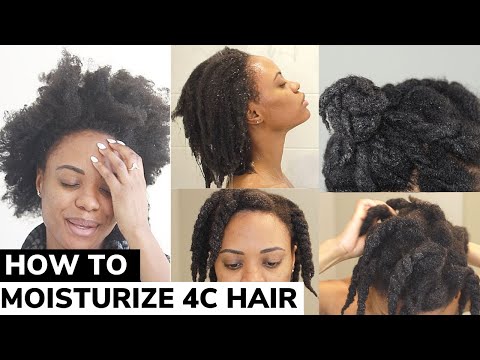
Deep dive into moisture retention for 4C natural hair — the LOC/LCO method, sealing with oils, and building a routine that keeps coils hydrated between wash days.

Full wash day routine including pre-poo, shampoo, deep conditioning, and styling for 4A/4B coily hair types.

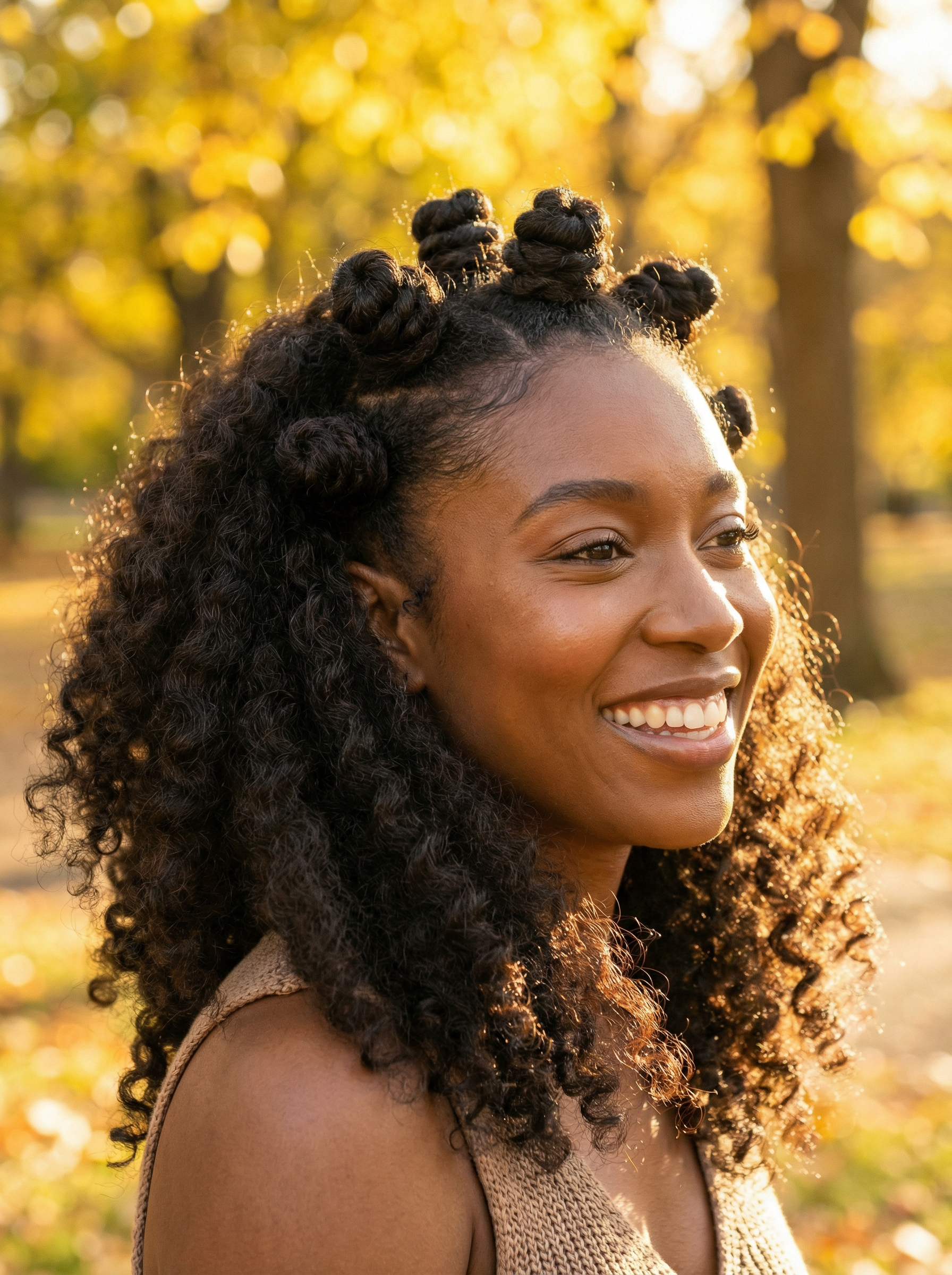
Create beautiful Bantu knots that double as a heatless curl setter — protective style and curl definition in one. Great for 4A–4C hair types.

A thorough deep conditioning session for severely dry 4C hair — product layering, heat application, and the difference between protein and moisture treatments.

Detailed step-by-step Bantu Knots tutorial on blown-out natural hair — sectioning strategy (triangular front, box back), leave-in application, edge gel for sleek roots, twist-and-wrap technique, and rubber-band securing. Covers the full process from tools to finished style.
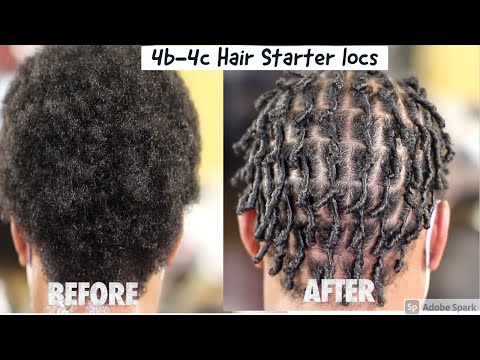
Complete guide to starting your loc journey on 4b–4c hair — methods, maintenance, and what to expect in the first year.

Step-by-step retwist tutorial for maintaining new growth — tool selection, gel application, sectioning technique, and drying tips for a clean, polished finish.

The definitive beginner's guide to training 360 waves into your pattern — hair length requirements, brushing technique, durag wrapping, and the wash-and-style method for deep, defined waves.

Training your hair is the foundation of getting 360 waves. Covers what training actually means, how brushing and compression work together, and common beginner mistakes to avoid.

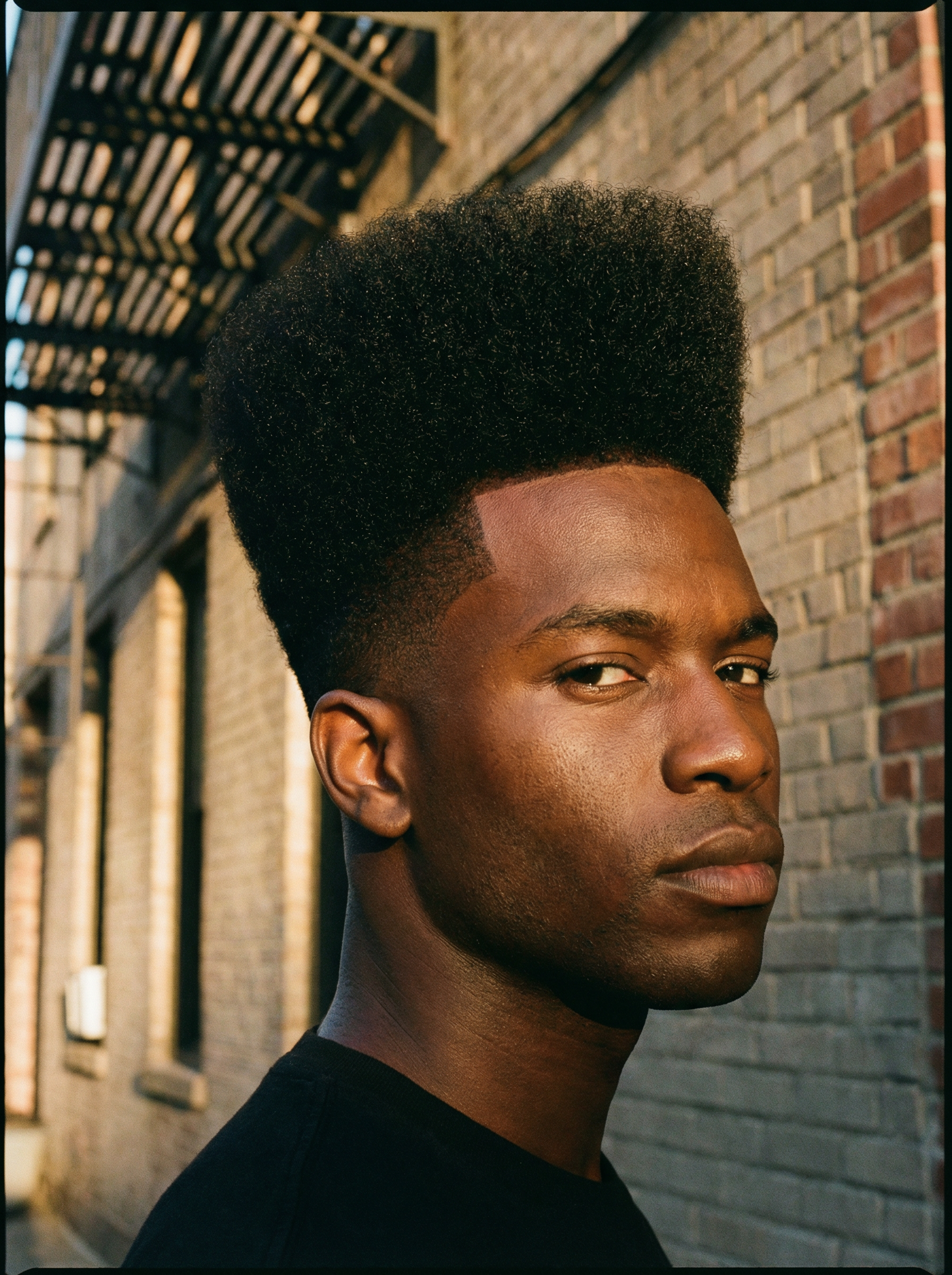
Professional barber breaks down the high top fade from start to finish — guards, blending, and crispy edge-up techniques.
All tutorials are created by independent Black creators. Support them by subscribing to their channels.
All videos are the property of their respective creators and are embedded via YouTube in accordance with YouTube’s Terms of Service. Crown & Glory does not host, store, or claim ownership of any video content.
Every strand holds a story. Every style carries a memory. These are the voices of our community.
I feel that the kinks, curls, or tight coils in Afro hair is beautiful and unique. No other race on this planet has hair like ours — that makes me proud.

Monica Millner
Natural & Free: Journey to Natural Beauty
My locs are my crown. They are my connection to my ancestors, my culture, and my God. When I wear them, I carry generations with me.
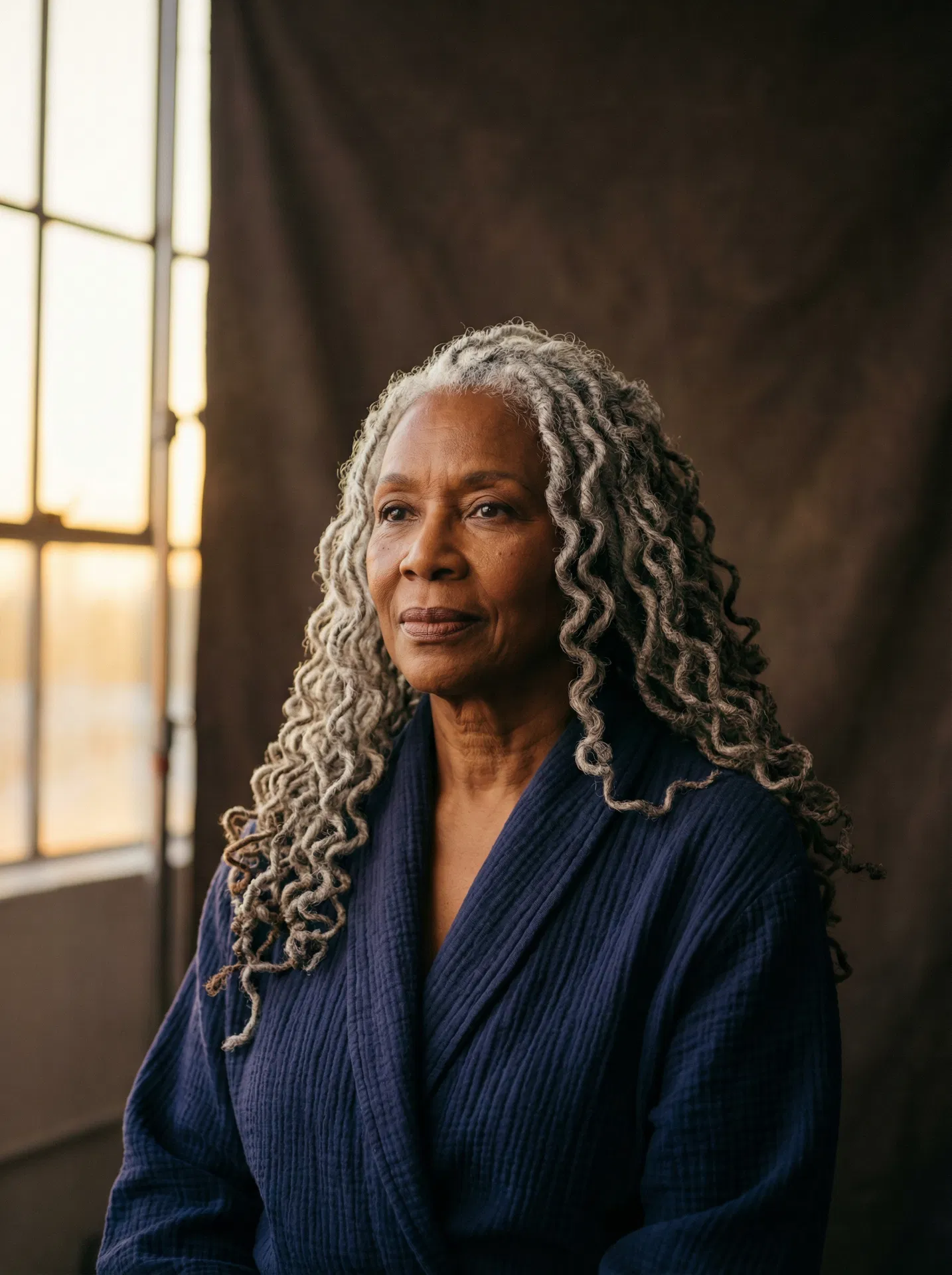
Marcus T.
Community Voice
The day I stopped relaxing my hair was the day I started truly loving myself. Going natural wasn't just a hair decision — it was a spiritual awakening.
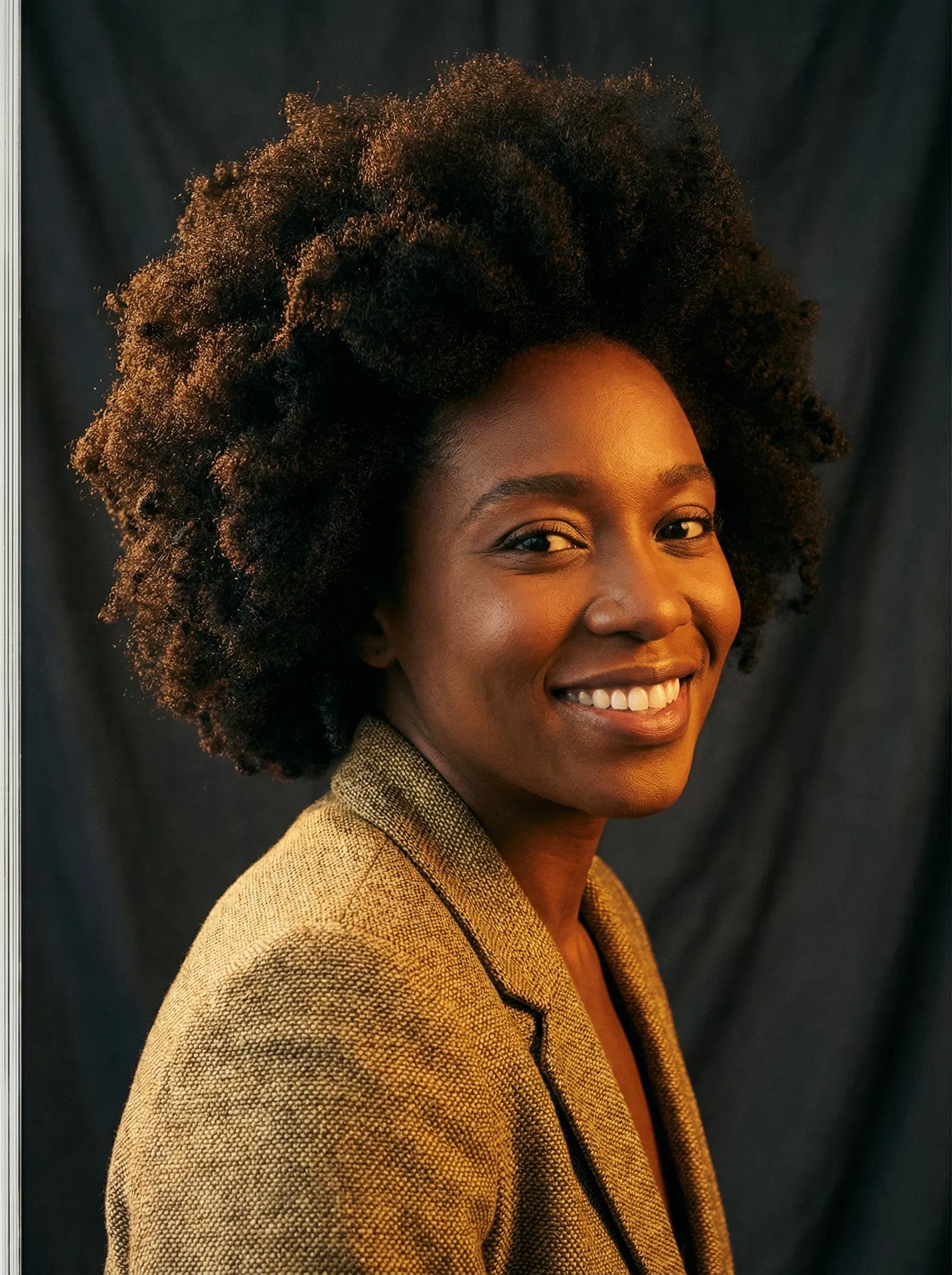
Aisha R.
Natural Hair Journey
In my barbershop, we don't just cut hair. We build men. We counsel fathers. We mentor young boys. The chair is a confessional, a classroom, and a throne.
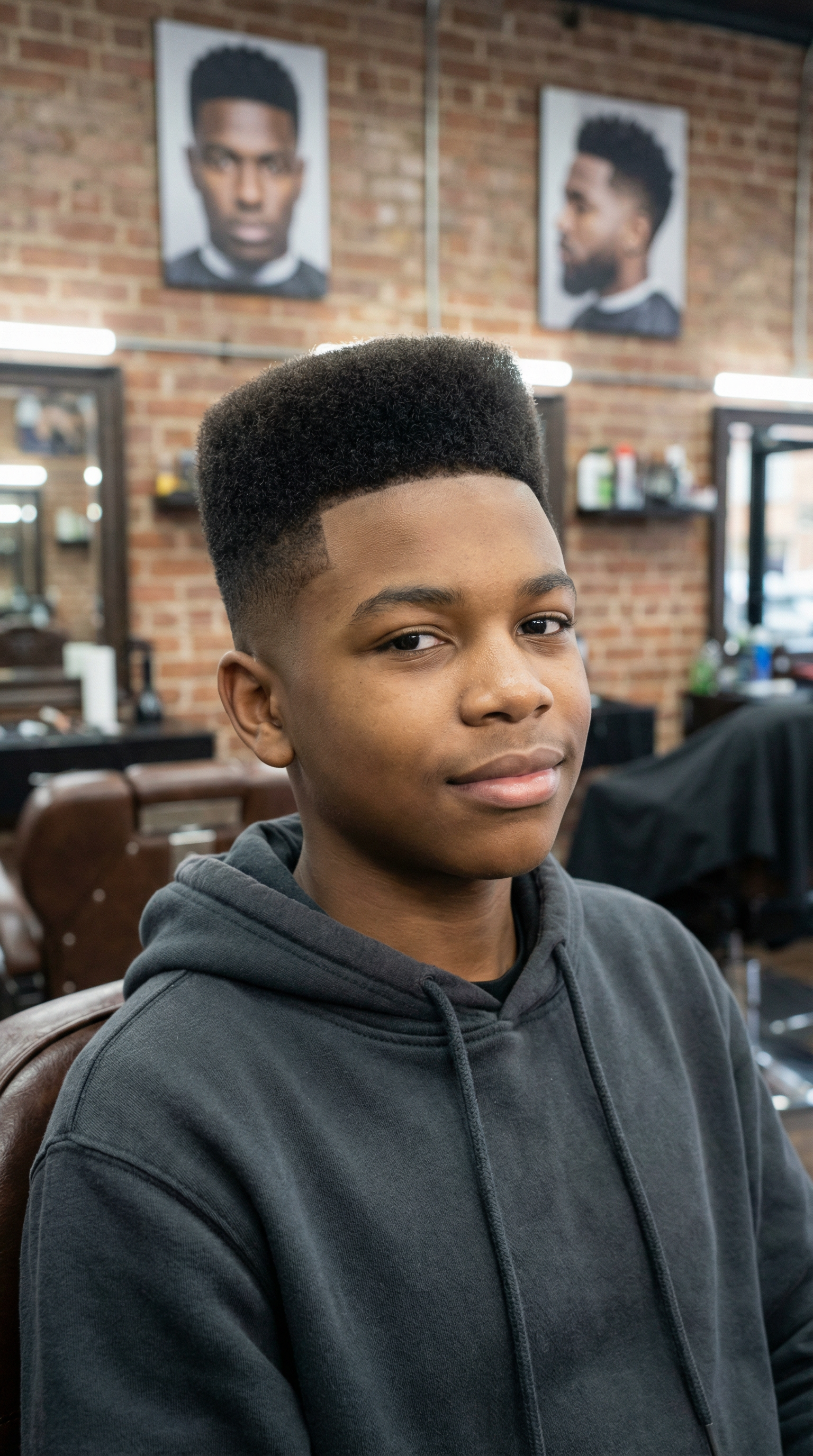
DeShawn Williams
Master Barber, Atlanta
My grandmother braided my hair every Sunday morning. Those hours were sacred — stories, prayers, and the smell of shea butter. My hair holds her memory.
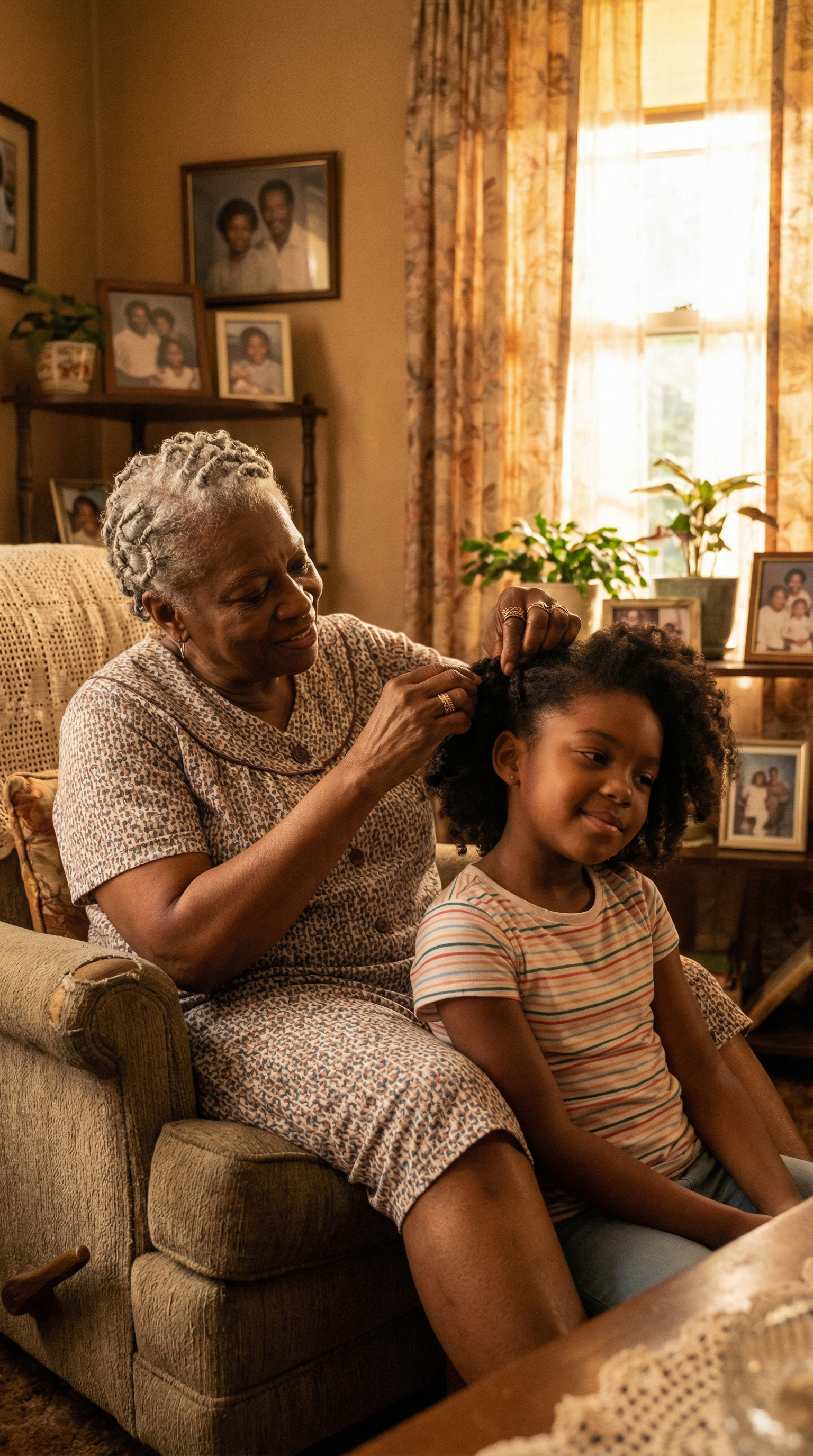
Zora M.
Community Voice
When I wear my Bantu knots to work, I am not just wearing a hairstyle. I am wearing my heritage, my history, and my defiance. I am wearing my crown.
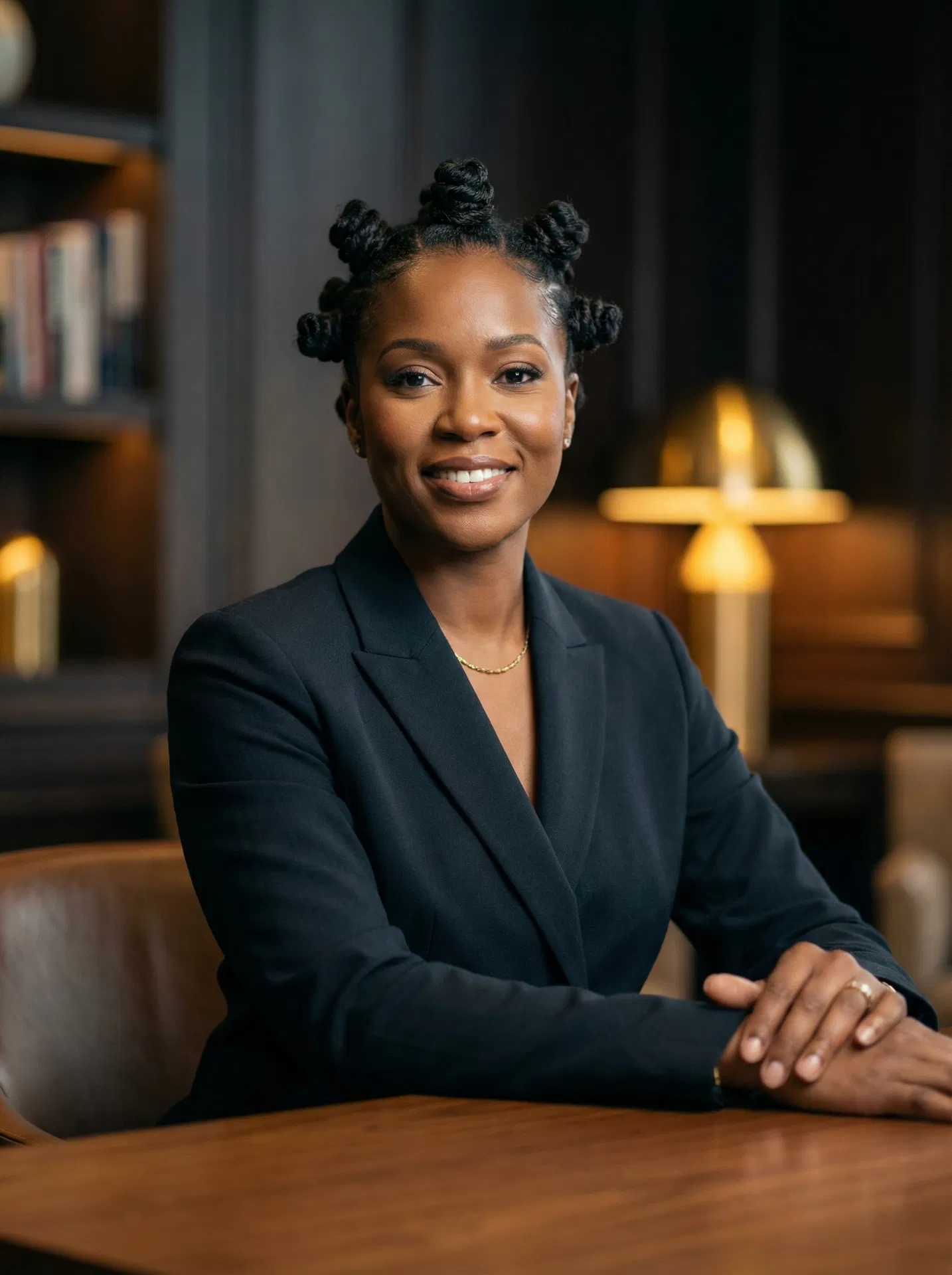
Nadia K.
Corporate Professional
The language of Black hair is rich, specific, and deeply cultural. From the Big Chop to 360 Waves, this glossary defines the terms every member of the community — and every ally — should know.
Two journeys. One for your soul. One for your strands.
Bring Black hair history into the classroom. Free, standards-aligned lesson plans, activity sheets, and guides for educators at every level.
A comprehensive lesson exploring how African hairstyling traditions traveled across the Atlantic and evolved through centuries of resilience, resistance, and cultural pride.
An in-depth exploration of how the Afro became the most powerful political symbol of the 20th century and how Black women and men used their hair to challenge systemic racism.
A civics-focused lesson examining hair discrimination in schools and workplaces, the legislative history of the CROWN Act, and how students can advocate for change.
Students use the The Art of Black Hair Diaspora Map to trace specific hairstyles from their African origins to communities around the world, creating a visual migration map.
Students research and create illustrated timelines showing how Black hairstyles evolved alongside major historical events, from the Harlem Renaissance to today.
A comprehensive guide for educators on how to create safe, respectful, and enriching conversations about Black hair culture in diverse classroom settings.
A beautifully designed A2 classroom poster featuring 20 key Black hair terms with definitions and illustrations — perfect for display in classrooms, libraries, and community centers.
The art of Black hair is a profession, a calling, and a legacy. Across the United States, GI Bill®-approved cosmetology and natural hair schools are opening their doors to veterans, active-duty service members, and their families — offering full tuition coverage, housing allowances, and job placement programs that turn military discipline into salon mastery.
Use the directory below to find VA-approved schools in your state, understand your benefit chapters, and take the first step toward a career built on craft, community, and culture.
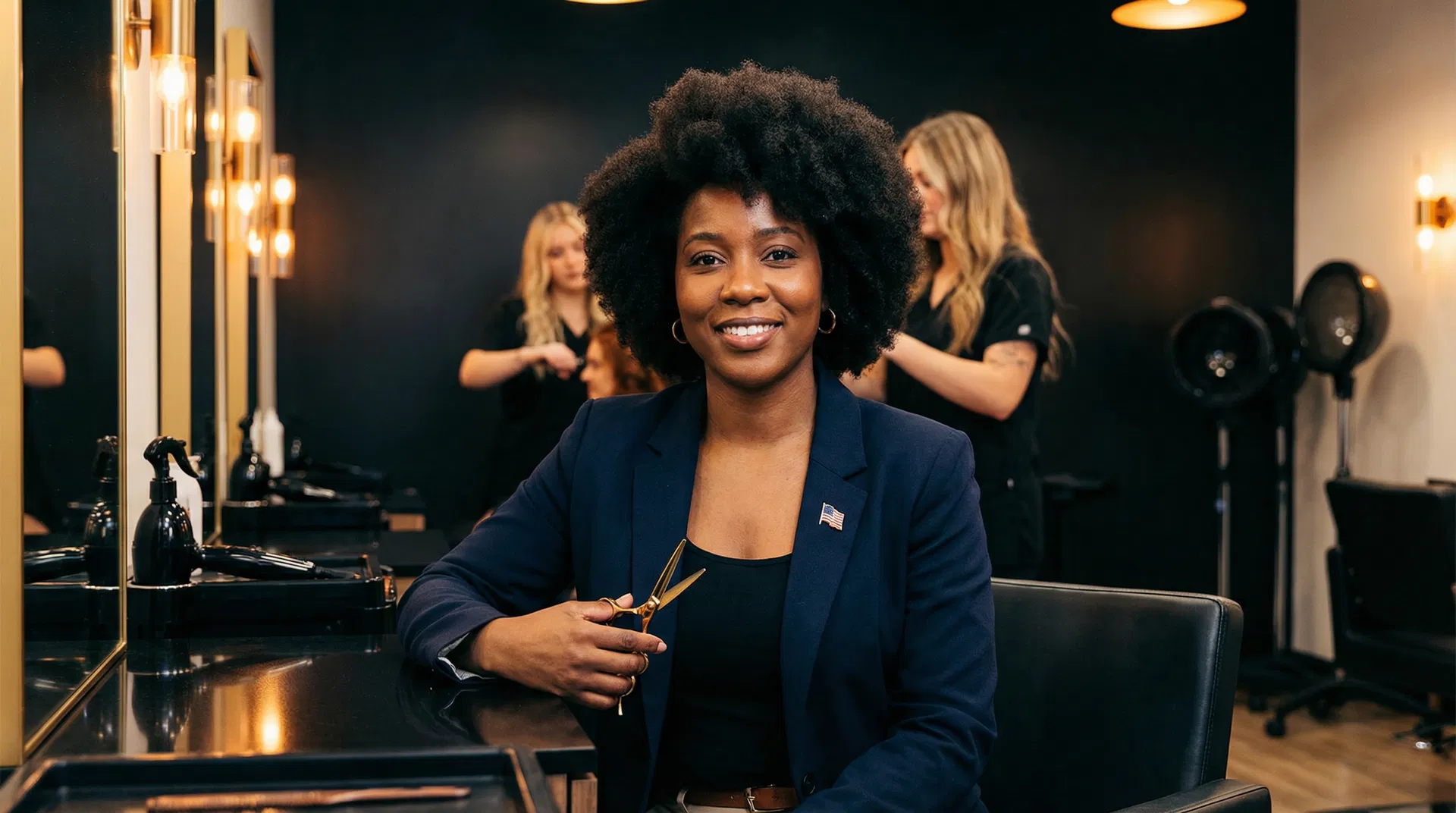
Showing 53 schools
VA-approved for Post-9/11 GI Bill® and Chapter 31 Vocational Rehab
GI Bill pays full tuition — $0 out of pocket for eligible veterans
Approved for eligible veterans, dependents, spouses, and active military
Full GI Bill® coverage — tuition, housing allowance, and book stipend
Officially GI Bill® approved — all eligible veterans and dependents welcome
GI Bill® and Pell Grant approved — Atlanta's premier natural hair school
VA-approved since 1944 GI Bill founding — dedicated veteran support staff
GI Bill® approved — military spouse benefits also available
VA-approved — Chapter 31 Vocational Rehab and Post-9/11 GI Bill®
VA educational benefits and Michigan Student Aid accepted
VA Education Benefit program participant — all eligible chapters accepted
Approved for Veterans Training and Nebraska Rehabilitation Services
Approved by Virginia State Approving Agency for GI Bill® educational benefits
Virginia, Maryland, and DC Board approved — VA, MD, DC tri-state area
All forms of Veterans Education benefits accepted (except Yellow Ribbon)
VA-approved across all Illinois campuses — GI Bill® and Chapter 31 Vocational Rehab accepted
Approved for Post-9/11 GI Bill® — housing allowance and book stipend included
Ohio State Approving Agency (SAA) approved — all GI Bill® chapters accepted
VA Education Benefits accepted — Aveda holistic training philosophy
HBCU — VA-approved, Yellow Ribbon Program participant, all GI Bill® chapters
Maryland Higher Education Commission approved — GI Bill® and FAFSA accepted
Washington State Approving Agency approved — all GI Bill® chapters accepted
Seattle Community College District — VA-approved, Chapter 33 and Chapter 31 accepted
Colorado DPOS approved — GI Bill® and Vocational Rehab Chapter 31 accepted. Aurora is home to Buckley Space Force Base.
Colorado State Approving Agency approved — all GI Bill® chapters, FAFSA, and Pell Grant accepted
VA-approved — same benefits as California campus
VA-approved — Post-9/11 GI Bill® and Chapter 31 Vocational Rehab accepted
D.C. Higher Education Licensure Commission approved — all GI Bill® chapters accepted
VA-approved — dedicated to natural hair artistry and Black hair culture education
Missouri State Approving Agency approved — Post-9/11 GI Bill® and Chapter 30 accepted
Missouri Higher Education approved — all GI Bill® chapters and FAFSA accepted
Georgia Nonpublic Postsecondary Education Commission (GNPEC) approved — GI Bill® and Chapter 31 accepted
GNPEC approved — Post-9/11 GI Bill® full tuition coverage for eligible veterans
VA-approved — all GI Bill® chapters, military spouse benefits, and Chapter 31 Vocational Rehab
GNPEC approved — GI Bill® and Pell Grant accepted — Atlanta's premier Aveda campus
Louisiana State Approving Agency (SAA) approved — Post-9/11 GI Bill® and Chapter 31 Vocational Rehab accepted
Community college pricing — all GI Bill® chapters accepted, Yellow Ribbon eligible, Pell Grant approved
Pennsylvania State Approving Agency approved — Chapters 30, 33 & 35 accepted, military spouse benefits available
VA-approved — Yellow Ribbon Program participant, all GI Bill® chapters, dedicated veteran services office
VA-approved — Chapter 33 Post-9/11 GI Bill® and Chapter 30 Montgomery GI Bill® accepted
VA-approved — all GI Bill® chapters accepted, veteran enrollment coordinator on staff
VA-approved — Chapter 33 Post-9/11 GI Bill® and Chapter 30 Montgomery GI Bill® accepted
VA-approved — all GI Bill® chapters accepted
VA-approved — all GI Bill® chapters accepted
VA-approved — Chapters 30, 31, 33 accepted
GI Bill® and Veterans Education Benefits accepted — Black-owned and operated
Most locations VA-approved — use GI Bill Comparison Tool to verify your campus
The VA GI Bill Comparison Tool lists every approved school in the country. Search by zip code, program, or school name to find options near you.
Your personal hair profile — save your quiz results, favourite styles, and personal motto. Your crown, your story.
Complete the "Know Your Hair" quiz to populate your profile
Take the Quiz →Your Crown profile is your personal hair identity card. It saves your hair type, porosity, and density from the quiz, your favourite styles from the gallery, and your personal motto — all stored privately in your browser.
Everything in your Crown profile is stored only on your device — no account required, no data sent to any server. You own your story completely.
We use cookies to personalise your experience, remember your preferences, and analyse site traffic. By clicking Accept, you consent to our use of cookies. Privacy Policy